Fences, Gates and Walls – Competition 12th February 2026
Any form of fences and/or gates and walls needs to be the main point of interest.
The following are the images that achieved the highest scores in the competition along with the Judge’s comments.
In the Projected Set Colour category top scorers were Kerry Malec with ‘Shadows’ and Jenny Pedlar with ‘Cats on a Wall’.
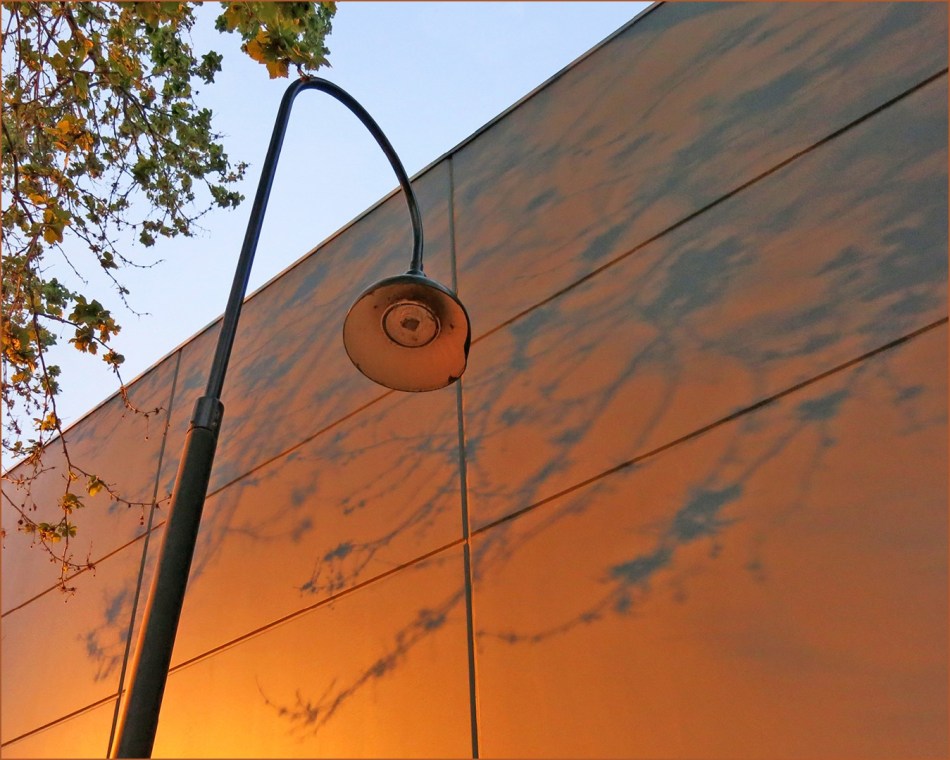
A good composition with lovely lighting. An inventive photo showing the shadows on the wall very well.
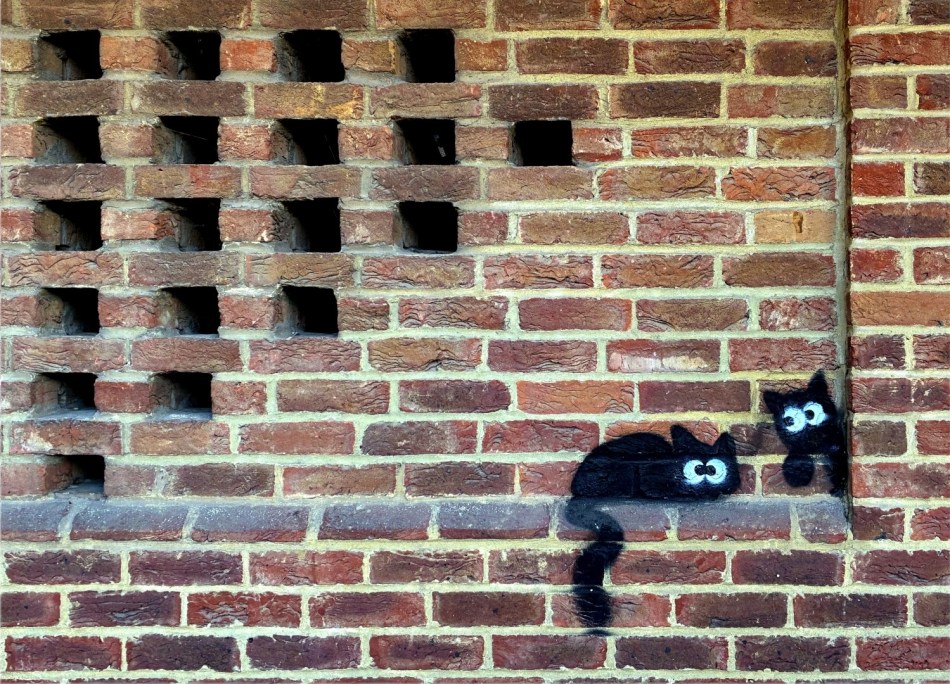
Well seen by Jenny, Without the cats, it wouldn’t be such an interesting image. The cats give balance to the brickwork and the pipe provides a frame.
The following images were also high scorers in the Projected Colour Set subject.
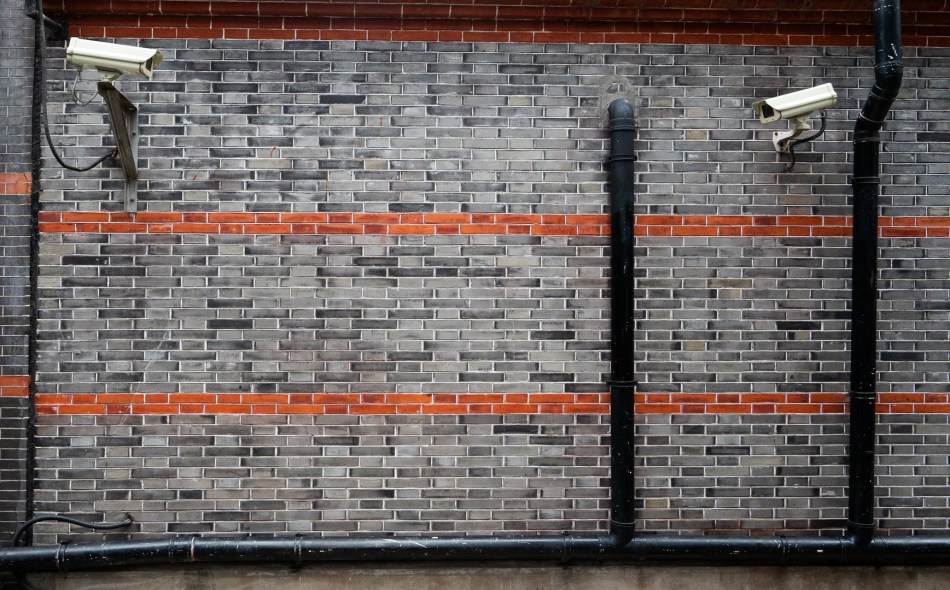
This is a different point of view, an interesting wall with the the red coloured lines, and the camera. It is a creative shot.
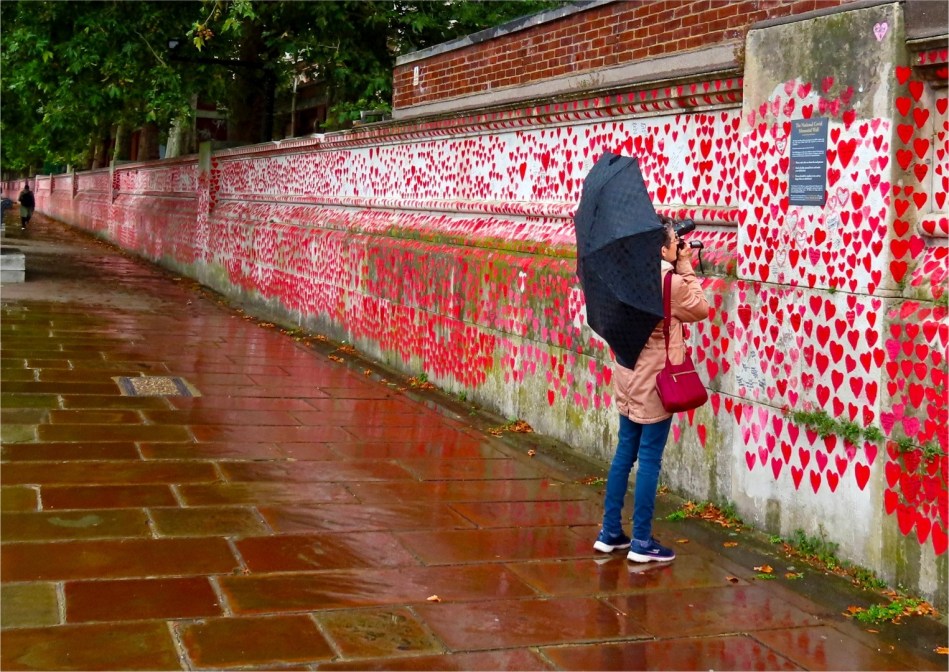
A good photo journalist shot. Has great meaning and tells a story.
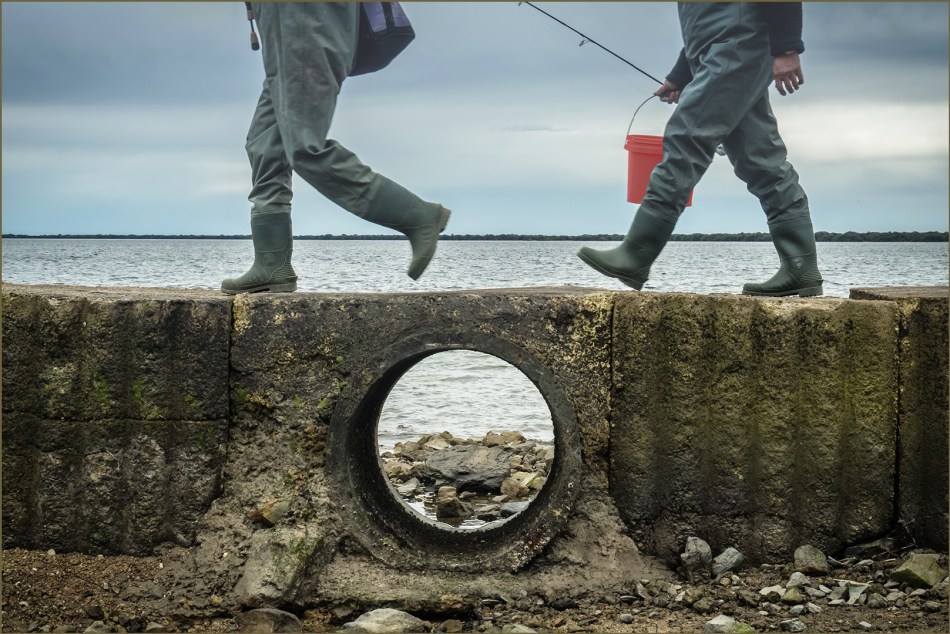
The spot of red from the bucket adds interest and it has been taken from an unusual angle. Good creativitiy.
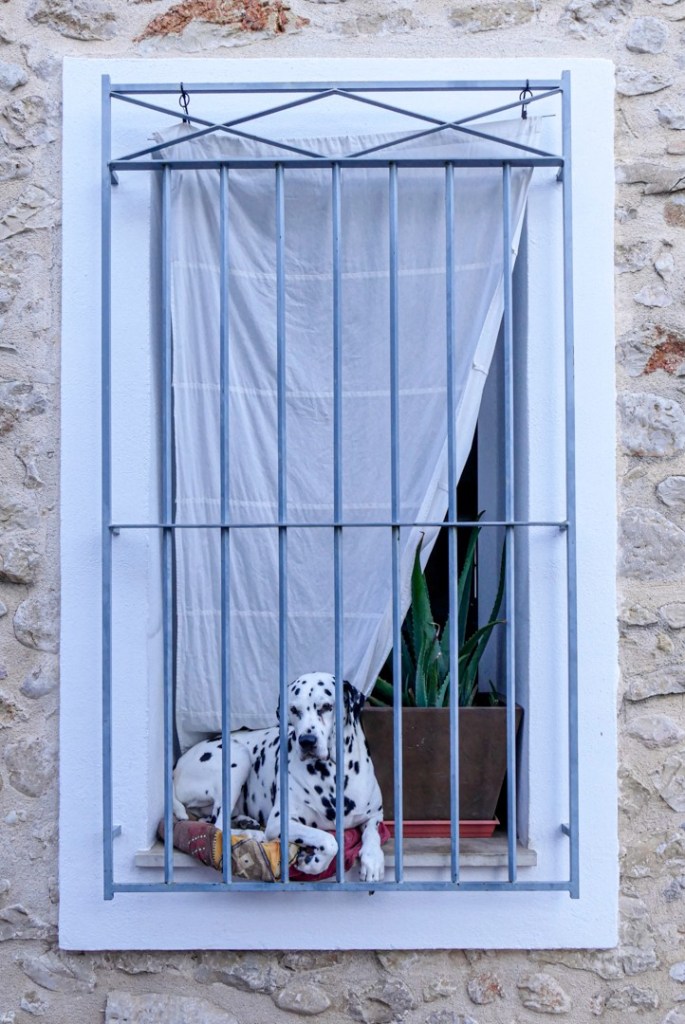
An attractive picture, lots of detail in focus but nothing distracting.
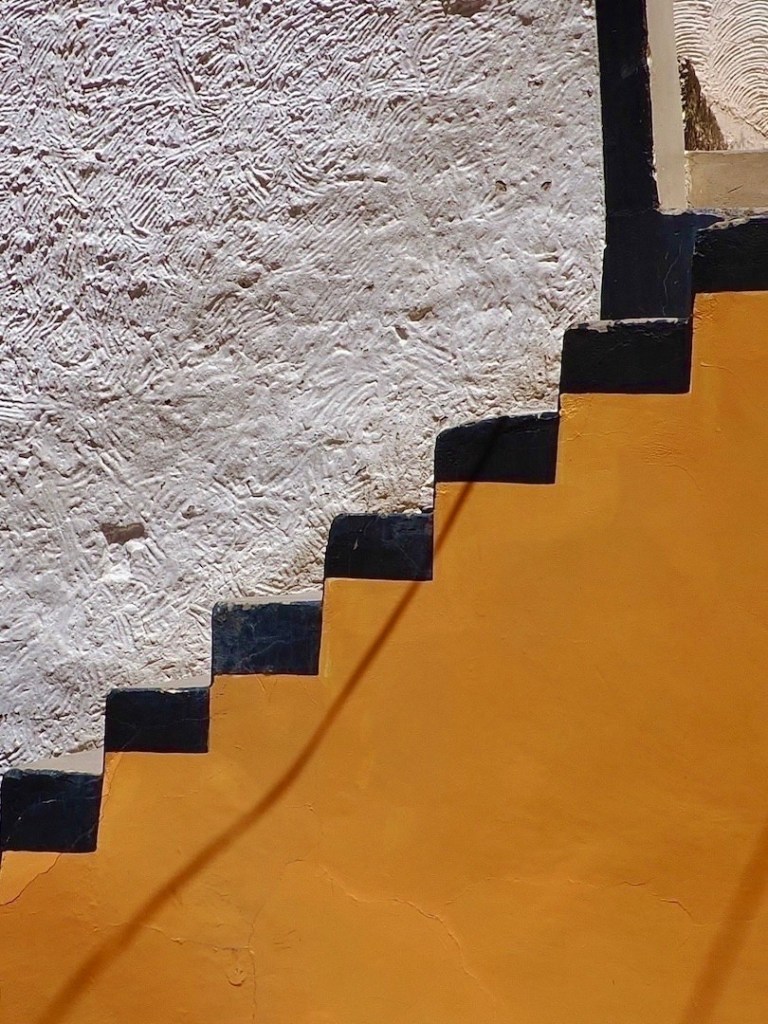
Could have cropped the top so that it becomes almost an abstract. Lovely detail on the wall and in the shadow on the steps.
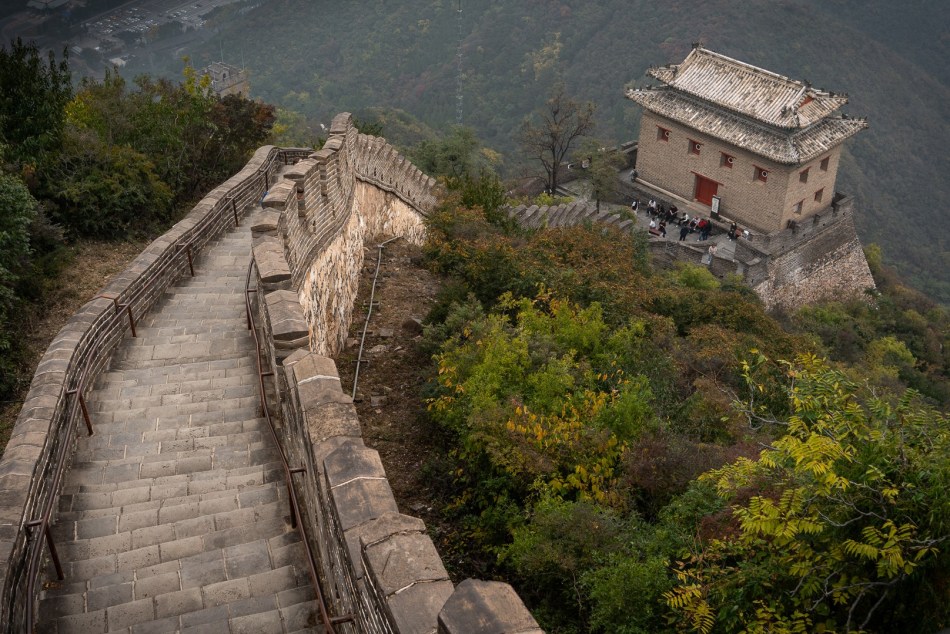
A good view of the Great Wall. Even though the lighting is poor it doesn’t detract from the photo. The leading line going down draws the eye and the vegetation is not a distraction from that. An increase in contrast and a slight darkening in the right top corner may have improved it even further.
In the Projected Colour Open section, the top scorers were Michael Selge with ‘Superman’ and Meredith Retallack with ‘Try Not to Drop This One’.

A beautifully captured shot. The lighting is good and even with the helmet you can still see the rider’s eyes. There is good detail in the bike and a fast shutter speed has obviously been used.
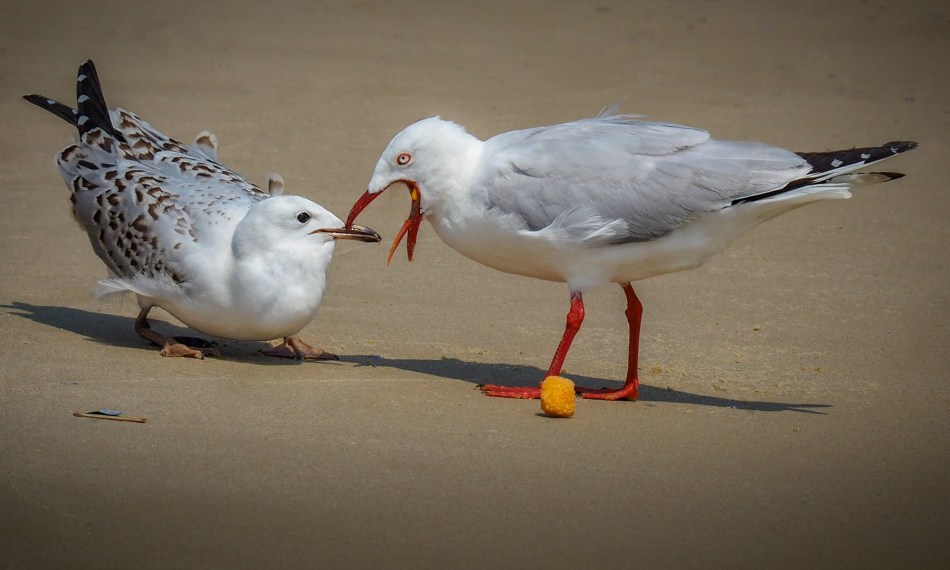
A classic pose for seagulls, nice composition and with no distractions.
The following images were other high scorers in this category.
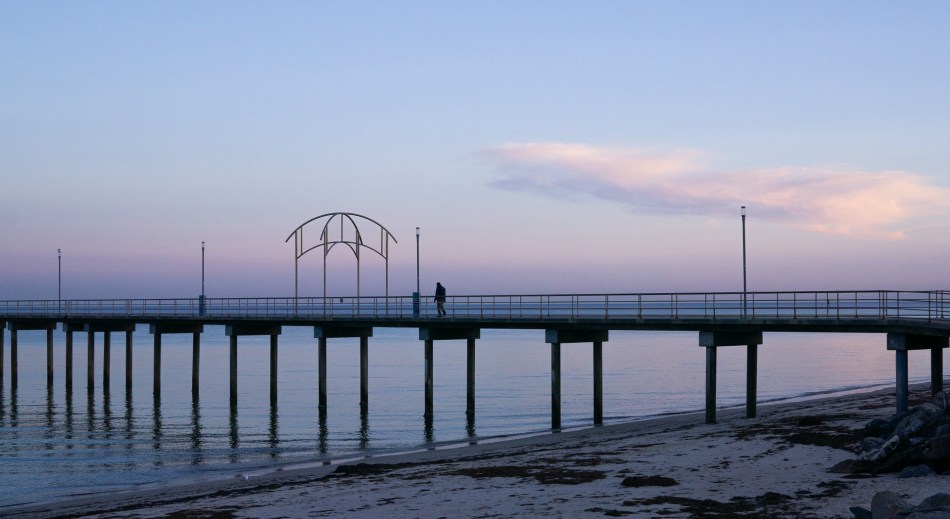
A good image, its simplicity is its attraction. There is a lovely pastel shade in the background.
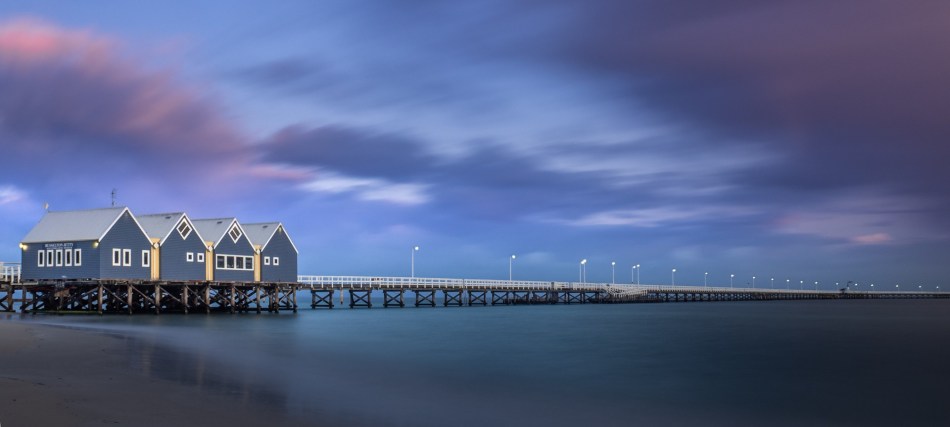
A slow shutter speed used to get the clouds blurry and flatten out the water. The way the sheds have been used on the left is nice, almost creating negative space. It gives a sense of a wide vista,
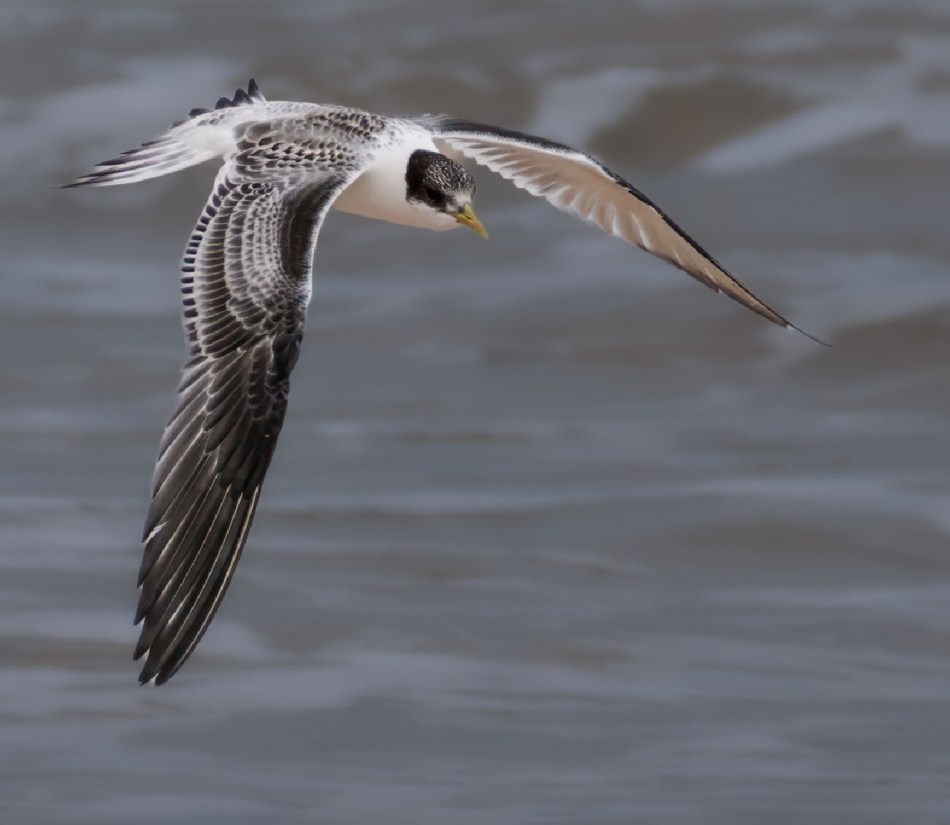
Nicely caught in flight, unfortunate that the light is coming from behind, but compositionally brilliant as there are no distractions.
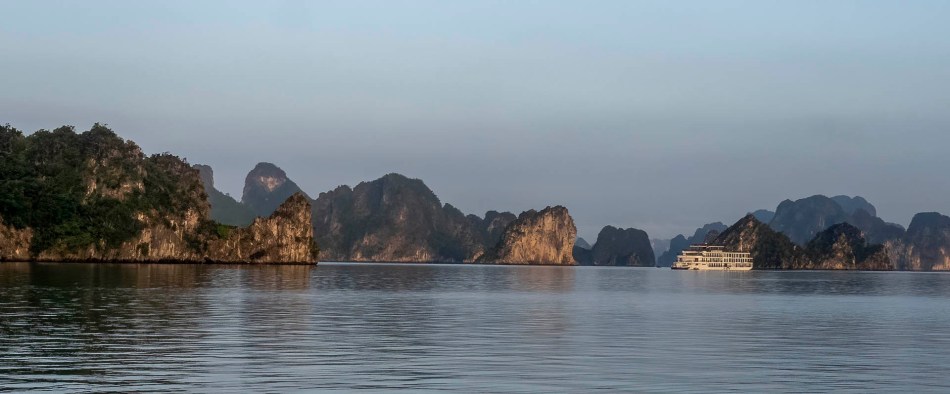
A nice shot of the bay, the boat adds to the image, rather than being a distraction.
The top scorer in the Projected Mono Set subject was Kerry Malec with ‘ Luxury Villas’.
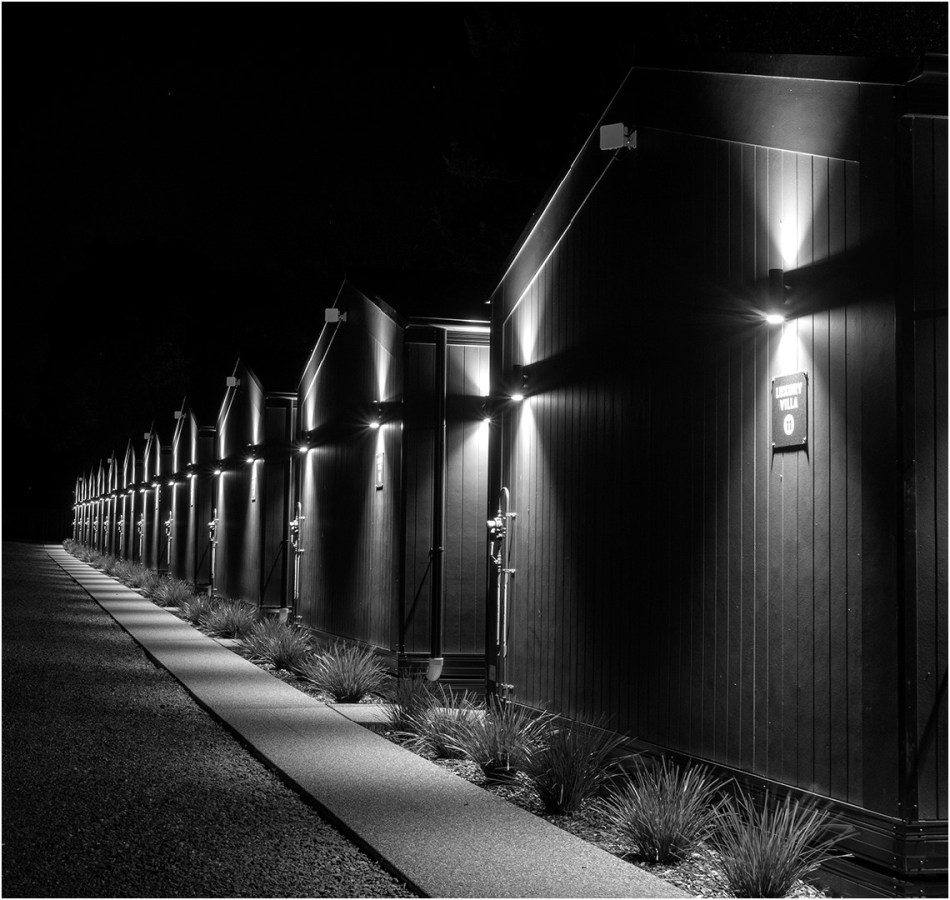
A nice use of the lighting, leading lines in the pathway and the villas. The sign does not distract and it sharp all the way through the image. The light has been used beautifully.
The other high scorer in this category was Meredith Retallack with ‘Do Not Enter’.
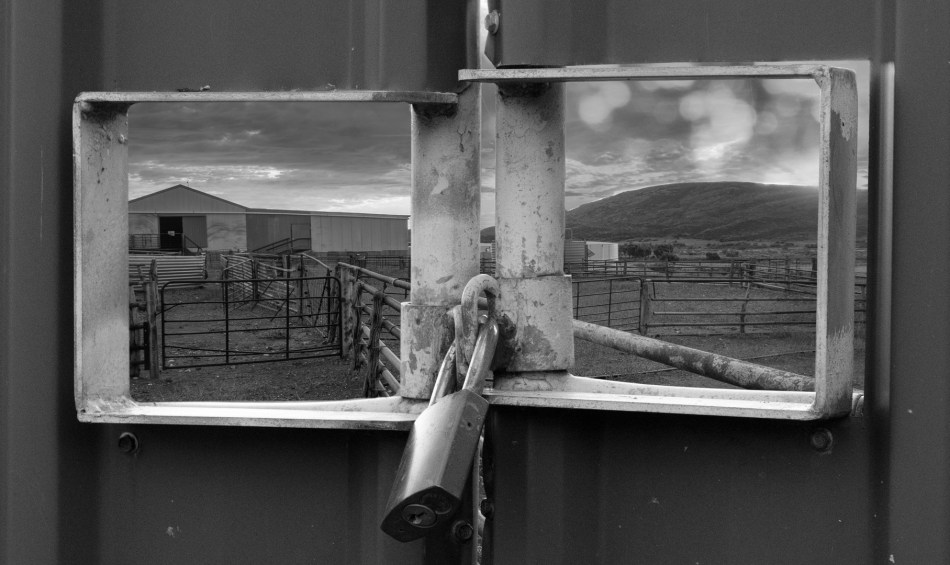
The opening to the doors is sharp and leads through to the background which is also sharp. Good idea and creativity.
In the Projected Mono Open category Michael Selge had two images that were top scorers ‘Lindeman’ and ‘Not Again’.
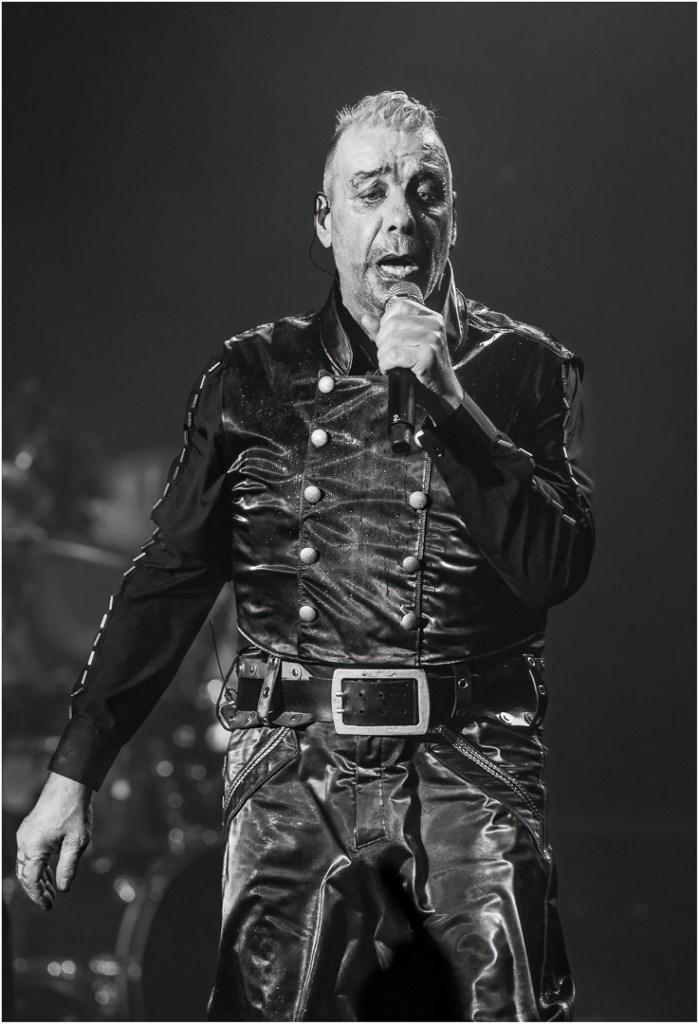
Well handled with good light on the performer’s face. The viewer is drawn to it.
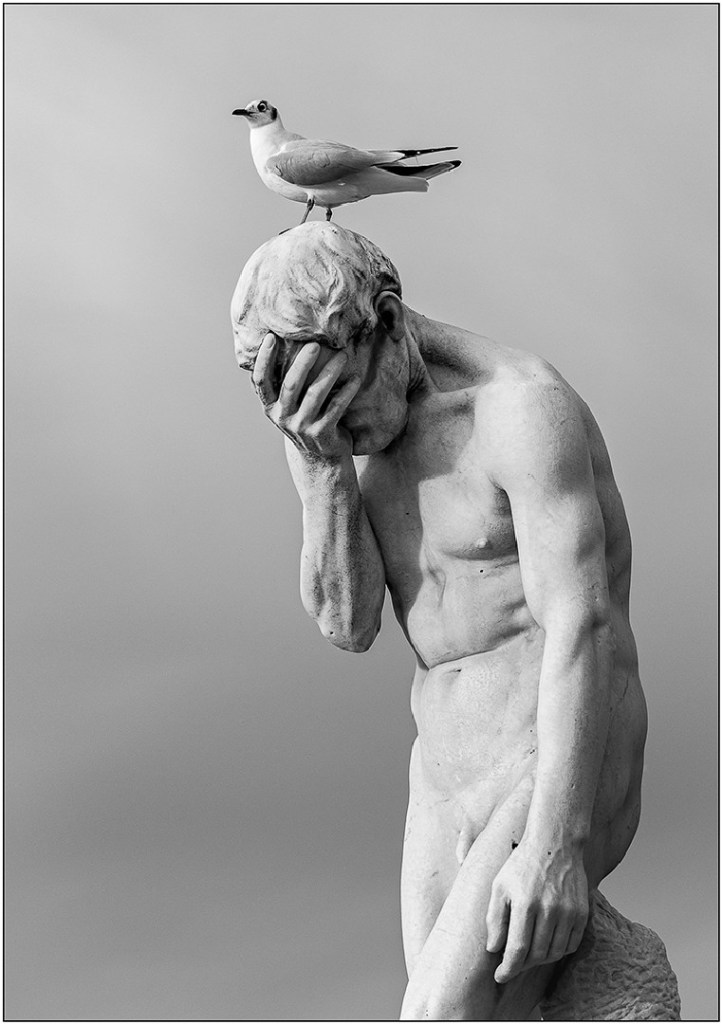
An amusing image. You can put your own interpretation on this!
Other high scorers were Paul Rix with ‘Lake Panong’ and Meredith Retallack with ‘Cast Aways’.
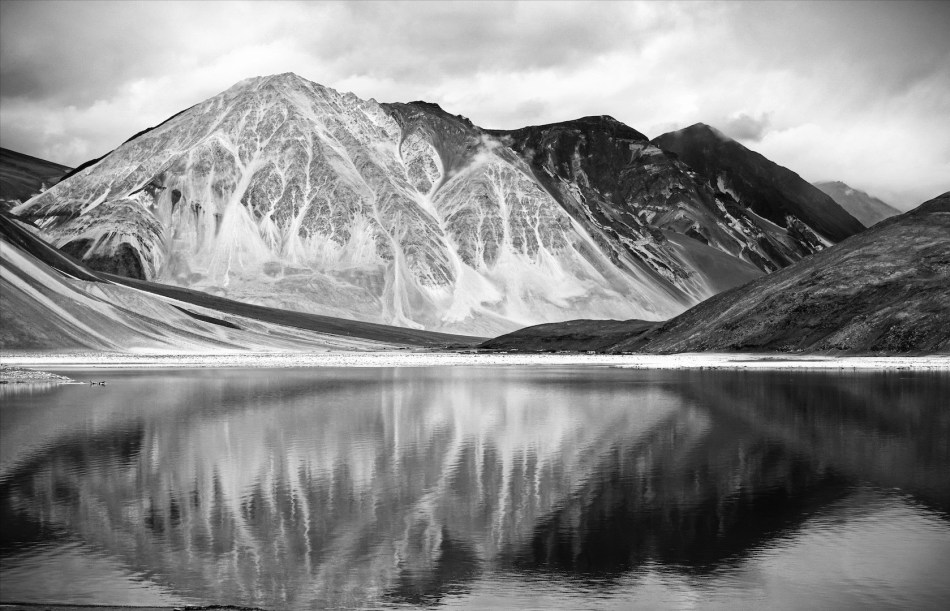
A nice scene. The dark clouds don’t compete with the rest of the scene. A suggestion would be to try it without the bottom half of the lake so the viewer is drawn to the mountains instead, even though there is a lovely reflection on the lake.
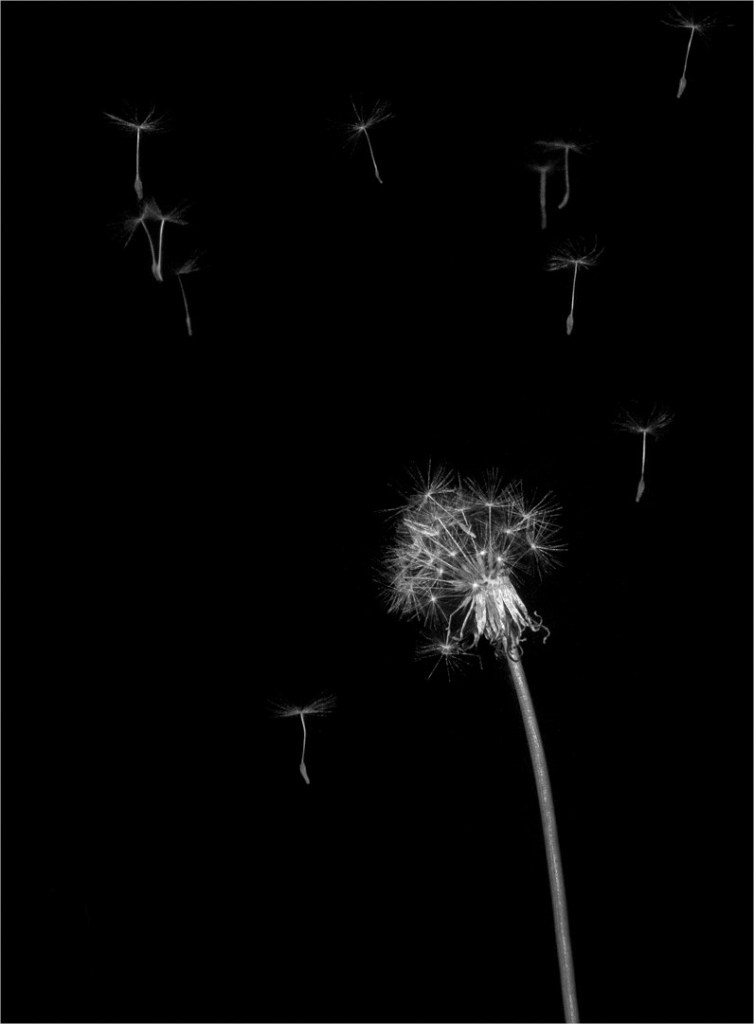
Nice composition. It is almost minimalistic and fills the frame. The seeds could be a little whiter to match the main plant.
In the Coloured Prints Open category top scores were achieved by Michael Selge with ‘Angus’.
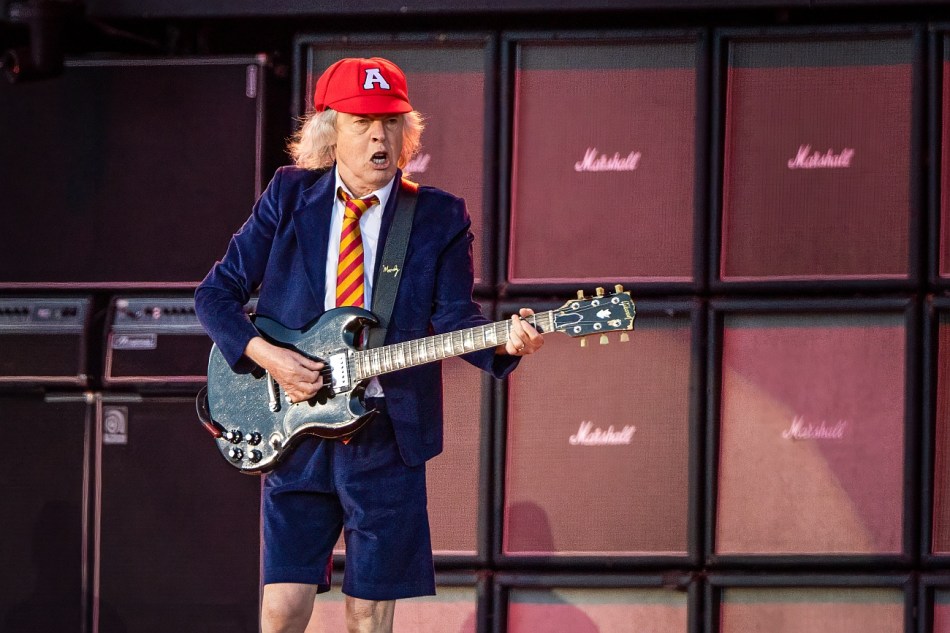
A well captured image. There is space for Angus to move into. The foreground is sharp and the background is slightly out of focus concentrating the viewer’s eye on the main subject.
A high scorer in this section was Susan Bell with ‘Rising Star’.

Hard to take photos in public venues. Handled pretty well with light coming down from upper left. There is catch light in the eye and a nice smiling face. Could tone down the skin tone in the lighter areas but the composition is good and the background is well darkened.
In the Mono Prints Open Category Top scores were achieved by Mark Pedlar with ‘ See N Ya’ and Michael Selge with ‘Suzi’.
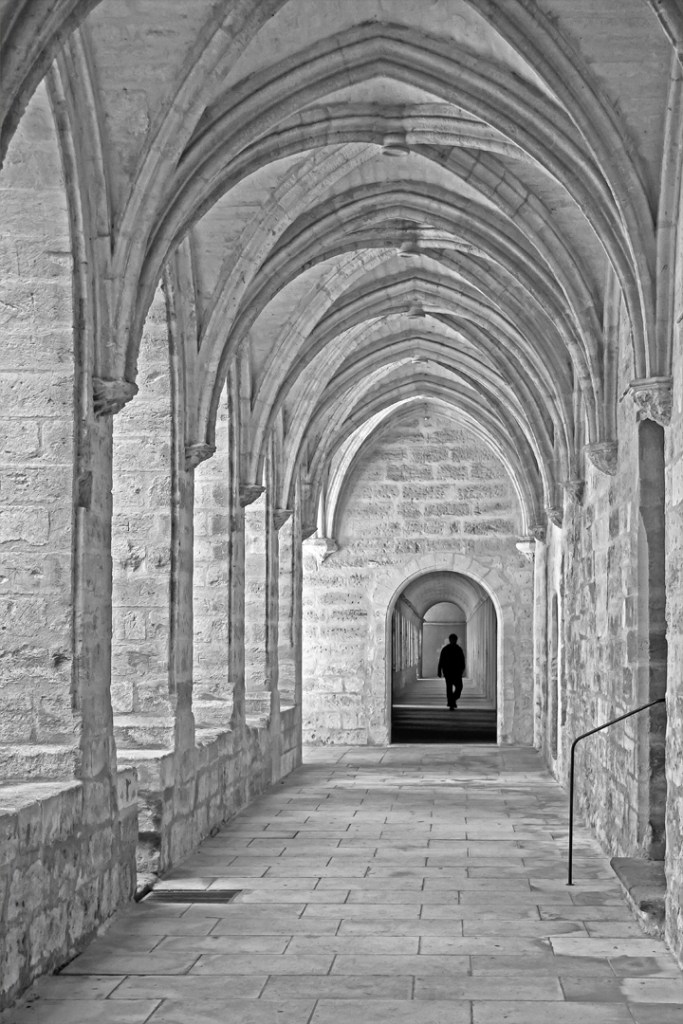
The leading lines of the column and arches draw the eye to the figure disappearing into the distance. The railing could be removed as it could be a distraction. The image is sharp throughout.

A great photo, front on Suzi fills the frame, the drums don’t distract and form part of her environment.
Also scoring high marks was ‘Room for One More’ also by Michael Selge.
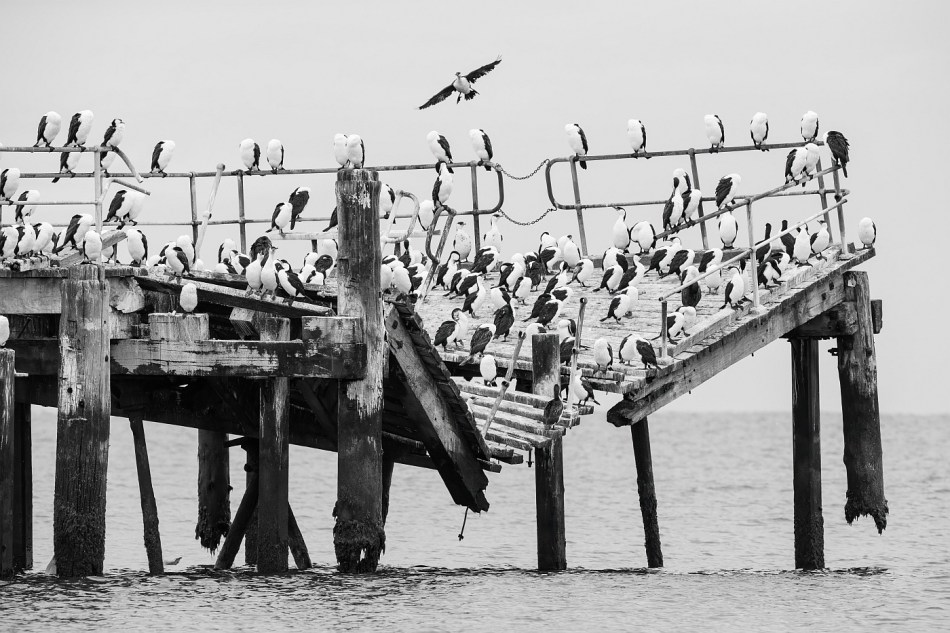
The bird flying in prevents the image from being static. The darker areas could have more detail. The image is reasonably sharp and well composed.
Silhouette – Competition 9th October 2025
An image using backlighting to present the main subject as a black shape against a much brighter background.
The following are the images that achieved the highest scores in the competition and the Judge’s comments.
In the projected colour set subject the top images were from Kerry Malec and Judy Sara.
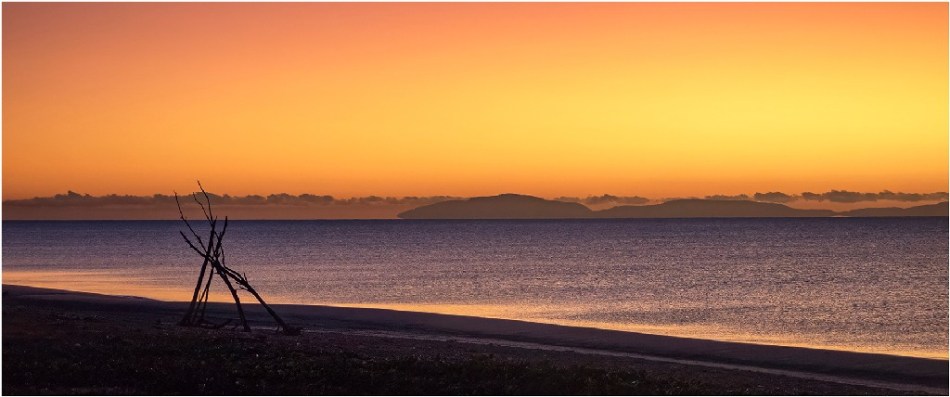
The Judge loved the simplicity of this image and pointed out that it was well composed technically, with the vertical item intersecting the foreground, the mid ground and the background, tieing the whole image together.
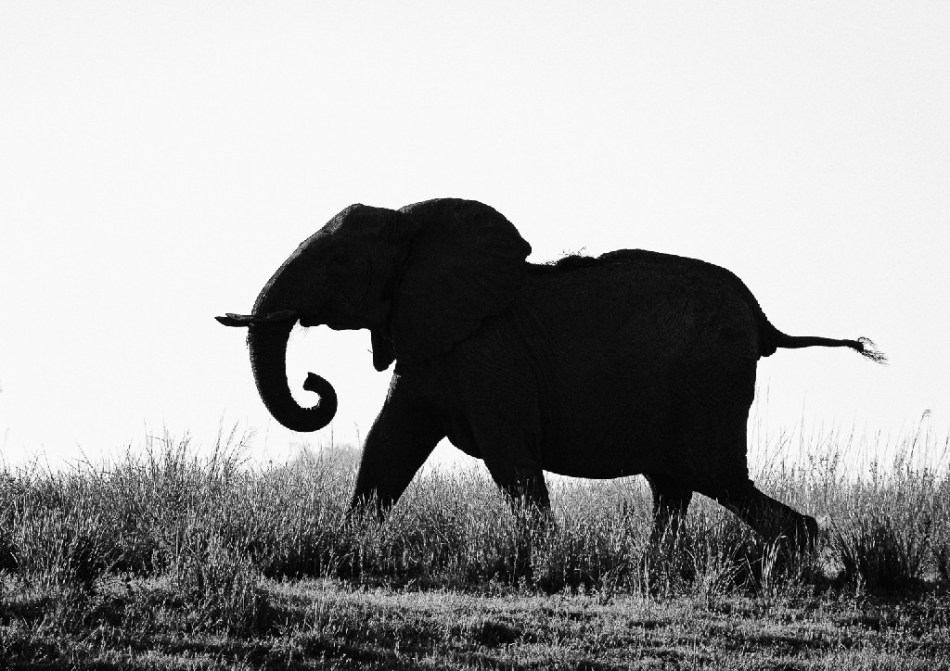
Judy Sara’s ‘Elephants on the Move’ is an example of a perfect silhouette with the elephant and calf in motion.

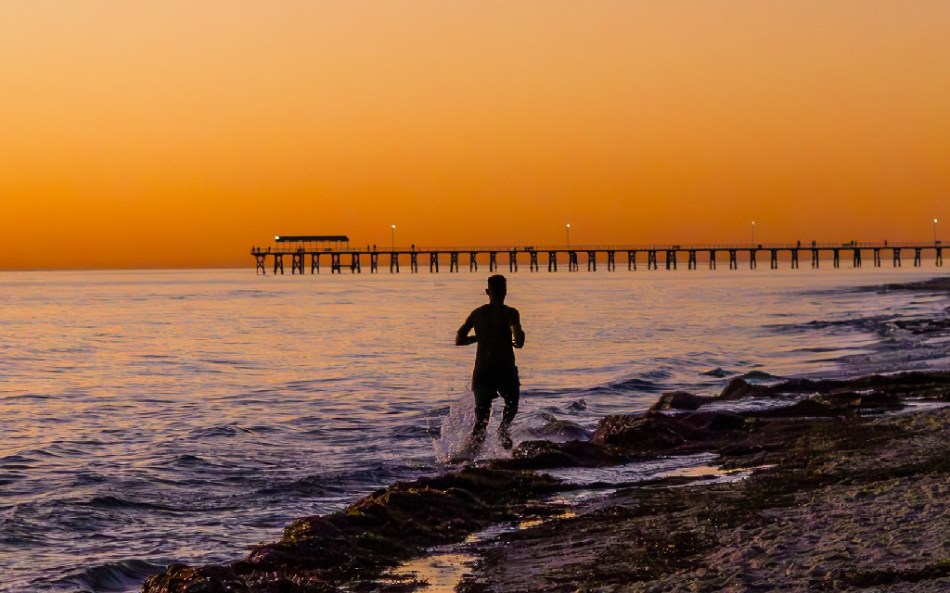
Also by Judy Sara, ‘Running Along the Beach’ has good composition with interest in the foreground, mid ground and sky.
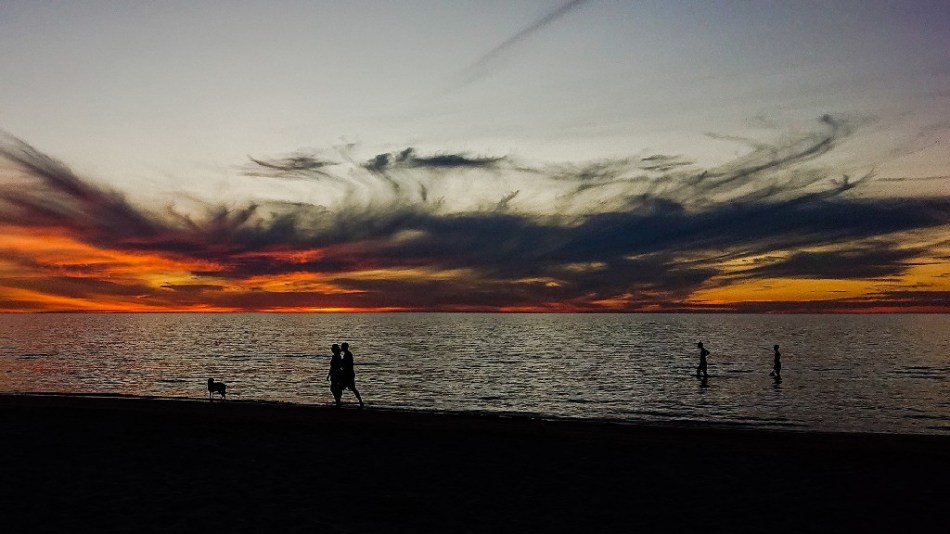
Meredith Retallack’s ‘Sunset Dreaming’ is also a good demonstration of a silhouette of the main subject with a beautiful sky. The lighting in the foreground makes the subject pop.

‘Sunset Dreaming’ by Vicki Kramer has captured the clouds as part of the silhouette and they pop against the bright sky. Plus it is a nice beach scene.
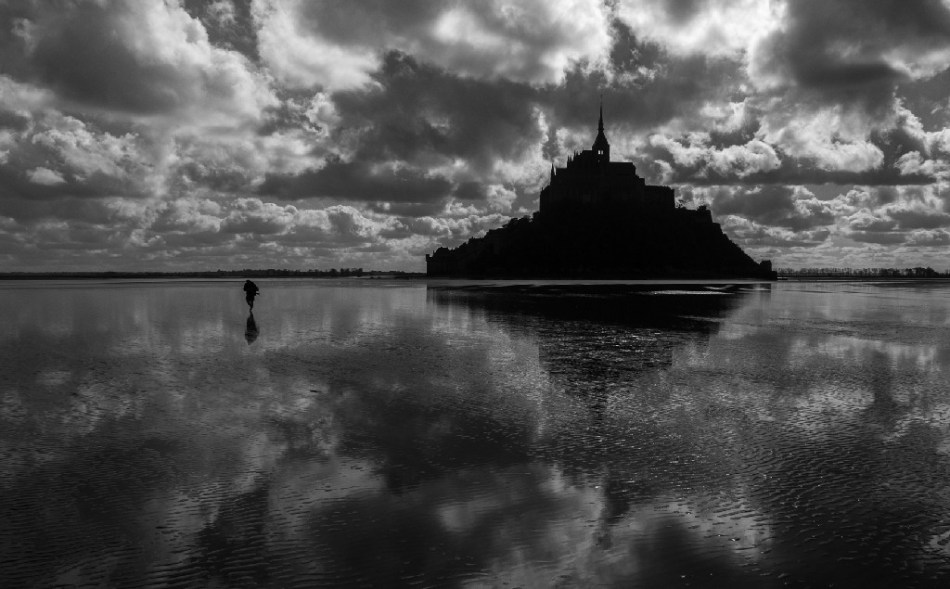
In the Silhouette set subject mono section Meredith Retallack’s ‘Leaving the Mount on Foot’ scored well. The image is defined well, the viewer can see the sunlight shining through the tower. The image has a fantastic sky and foreground interest with the reflection on the water, sand corrugations and the person giving mid ground interest.
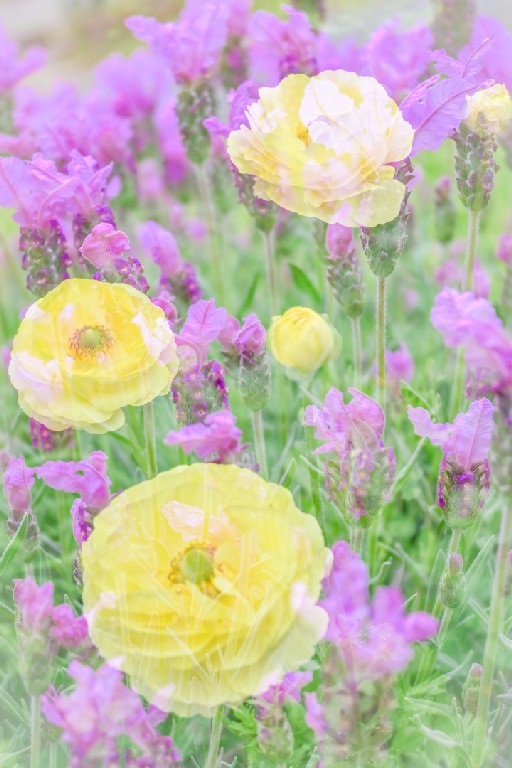
In the open colour section, the top scorer was Sarah Bailey with “A Stroll in the Garden’. Sarah’s image was creative, and the contrast between the colours is very good.
In the open mono section Michael Selge’s ‘Victory’ is a great concert shot, the singer has been captured in an interesting pose and the lighting has been photographed well.

In the colour prints set subject category, Duart McLean scored the highest mark with ‘Palm Morning. This is a beautiful scene, with soft colouring and good gradation in the sky.

In the mono prints set subject category the highest scorer was Judy Sara for ‘Elephant on the run’. The Judge found this to be a fantastic image, the rim lighting shows the texture on the trunk and in the corrogations. The image is dynamic with action and movement.
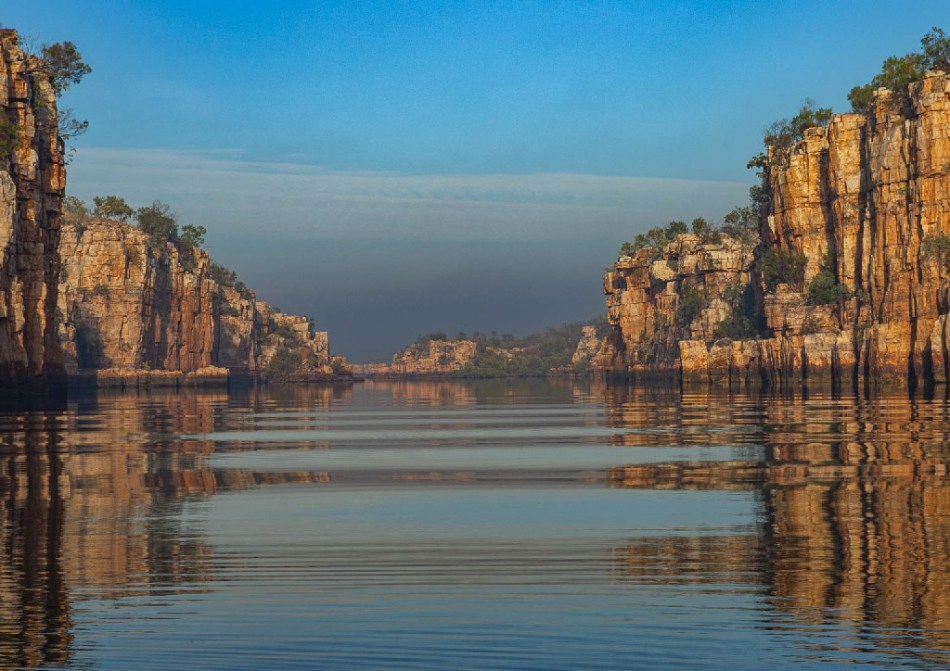
Following the set subject categories are the open categories. In the colour prints Duart McLean’s image impressed the judge the most with ‘River Reflections’. This is a beautiful image, the lighting shows it was taken at the right time of day, it shows the texture on the cliffs and has lovely contrasts. The lines lead the viewer into the background. The ripples add interest to the photo as does the sky.
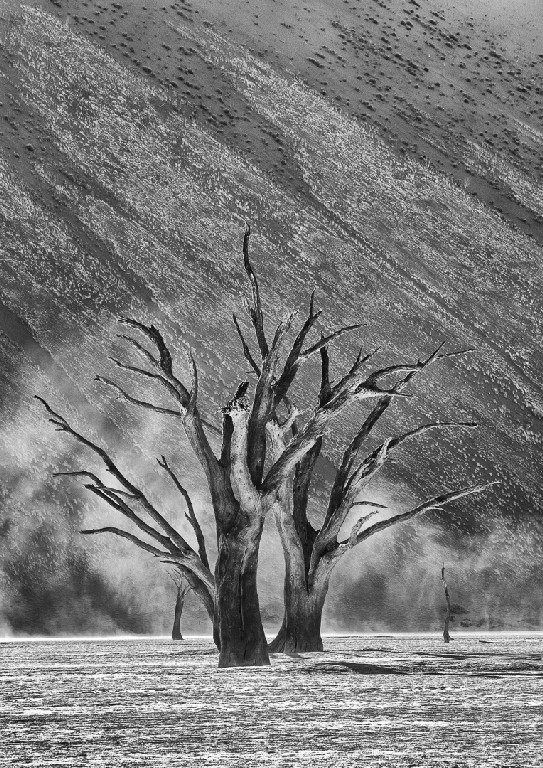
Lastly in the mono open category Judy Sara’s ‘Trees in the Storm’ is a superb image, with an interesting foreground and wonderful trees. Nice lighting shows the curve of the branches. It has a lovely background with the diagonal lines contrasting with the vertical lines on the ground.
It’s Not What it Seems – Competition 27th March 2025
Abstract art usually refers to the creation of non-representational or non-objective artworks that focus on colours, shapes, lines and textures, rather than visible objects or scenes. Use filters, blends, warp, overlays or light to create images in Photoshop (or similar).
The Judge for this competition was Geoff Smith. Geoff started his photography journey as an apprentice photo technician for SA Government in the early 70s. He went on to become a Senior Photographer. He later became a professional portrait photographer.
Geoff made some suggestions that all photographers could take note of. Several of the images with dark backgrounds had a one pixel wide border that made the image stand out when projected onto a screen as it differentiated the image from the dark background on the screen.
Geoff also said that when presenting a monochrome image the main subjects should have good tonal separation so that they don’t blend together.
The following are the top images from the competition and a brief summary of the Judge’s comments.
Projected Colour Set Subject
Topping the charts was Vicki Kramer with ‘Nub’ and Gial Iskov with ‘Water Colour’
Of ‘Nub’ Geoff said it is a delightful change, the texture could be paint on the wall and it looks as though it has been printed on a lovely grade of art paper. Great subtlety of colour. A good use of the frame.

‘Water Colour’ is a very interesting study. The highlights were interesting, good forms and repetition of elements. It is fluid, the highlights are interesting. It has a very good structure and good design elements with the flow of the design going from bottom left to top right. Nicely composed.

Also scoring highly was Susan Bell with ‘Out of Place’. The image compositionally invites the viewer to explore the area that is not as busy, and leads the eye to left of centre. Good colour.

‘Amazing Technicolors’ by Kerry Malec has colours that jump out, compositionally it works beautifully. The attention is drawn down to the shape and the viewer is invited to explore up by the red colours and to see the blue line at the top.
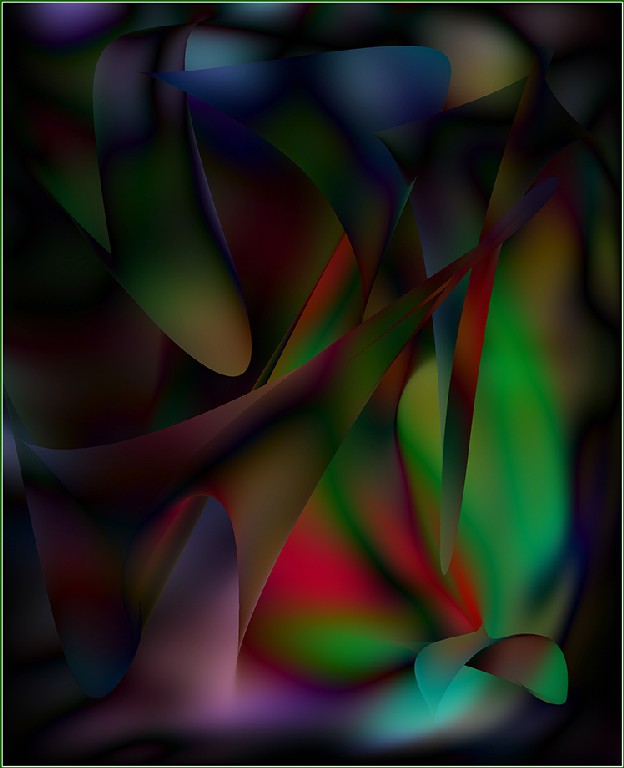
Gail Iskov’s ‘Autumn Leaves’ shows definition, there is good light, tone and texture. Good use of frame and shape. There is a 3D aspect to the image. It works very nicely.
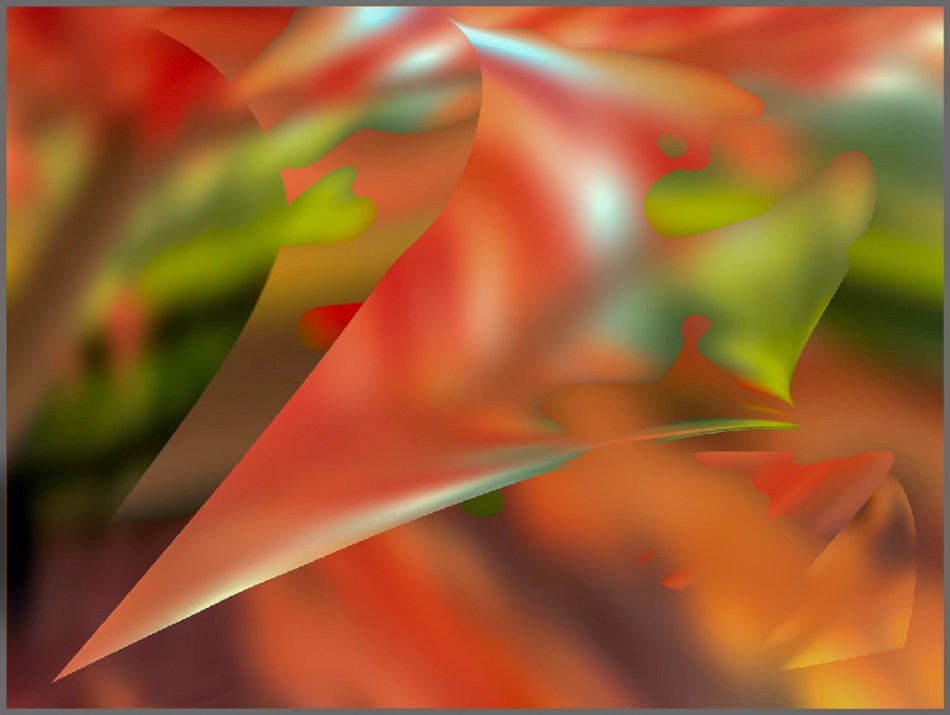
Projected Monochrome Set Subject
The top scorer in this section was Judy Sara with ‘Daisy Mandala’.
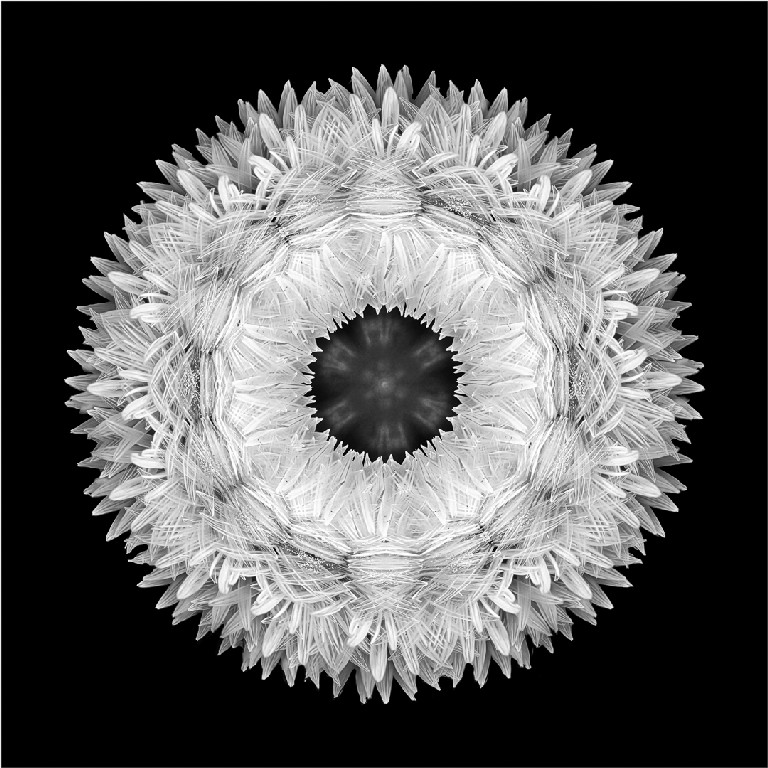
‘Mandala’ fits well within the square format. It is an interesting subject giving a suggestion of texture.
Projected Colour Open Category
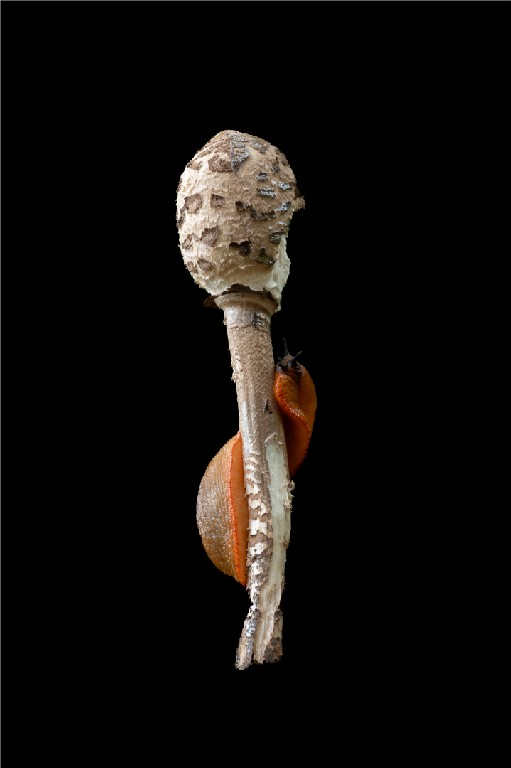
‘Gastro Slug’ by Meredith Retallack is a very impactful shot. The image is very tasteful. The slug is a lovely contrast colour.,
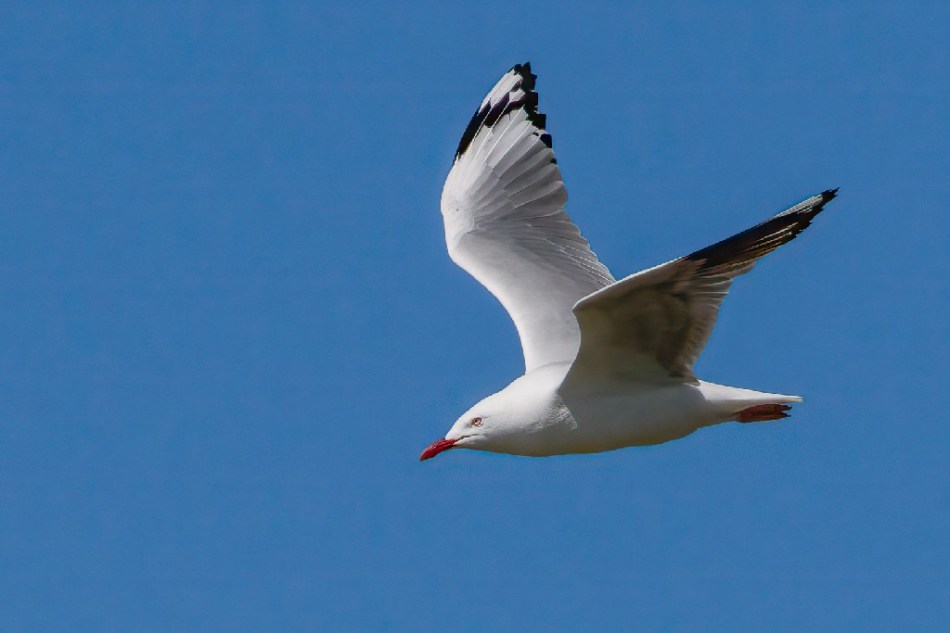
Gordon Lindqvist’s ‘Gull in Flight’ is a lovely capture, there is nothing distracting in the background. It is all about the light contrast against the blue sky. The red around the eye and on the beak stand out. There is space in front of the bird for it to move into.
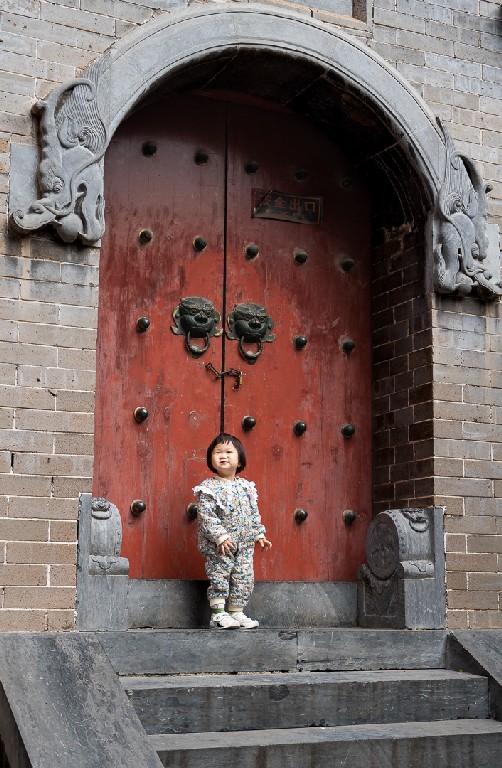
‘Knock Knock’ by Michael Selge is a delightful study with beautiful red doors and gargoyle knockers. It is a good use of frame.
Projected Monochrome Open Category
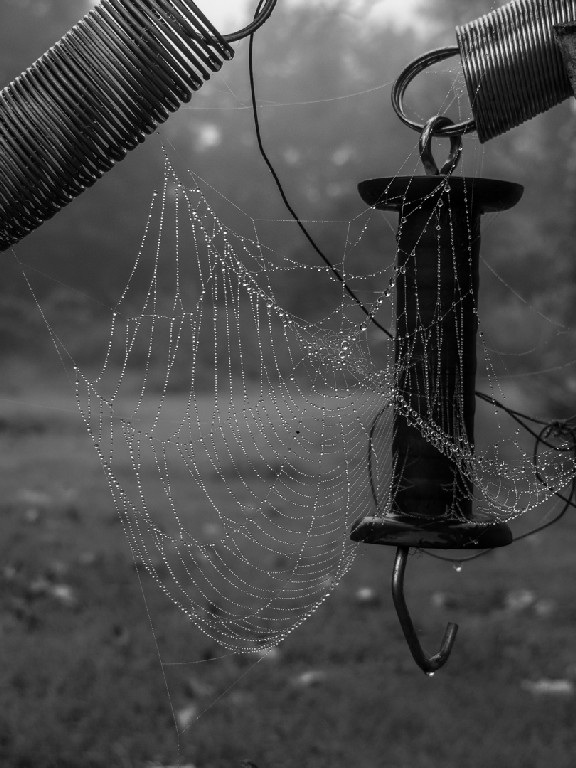
‘Adorned with Dew Drops’ by Meredith Retallack is a nice study with the backlight coming through on the dew drops and a diffused background. The lighting on the coils and springs works well and it has subdued colour and tones behind. The web is highlighted by the dew and it has strong contrast tonally.
Judy Sara’s ‘Sheep’ is interesting, even the sheep look interested. The image has good composition and it is good that the sheep are backlit. The separation of the individual animals is very good and the slow rise to the background frames the sheep well.

Colour Prints – Set Category
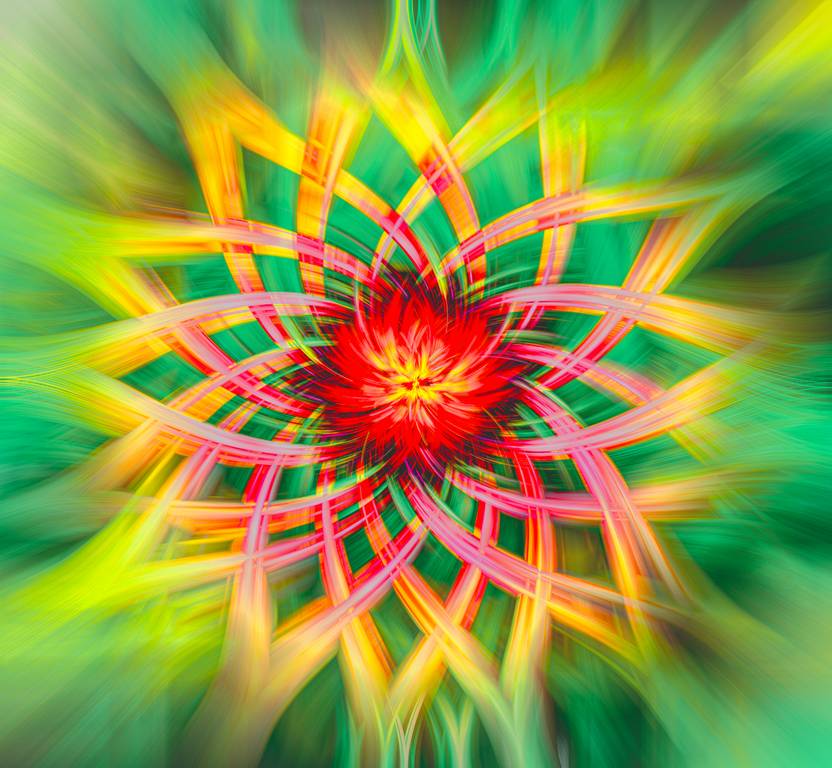
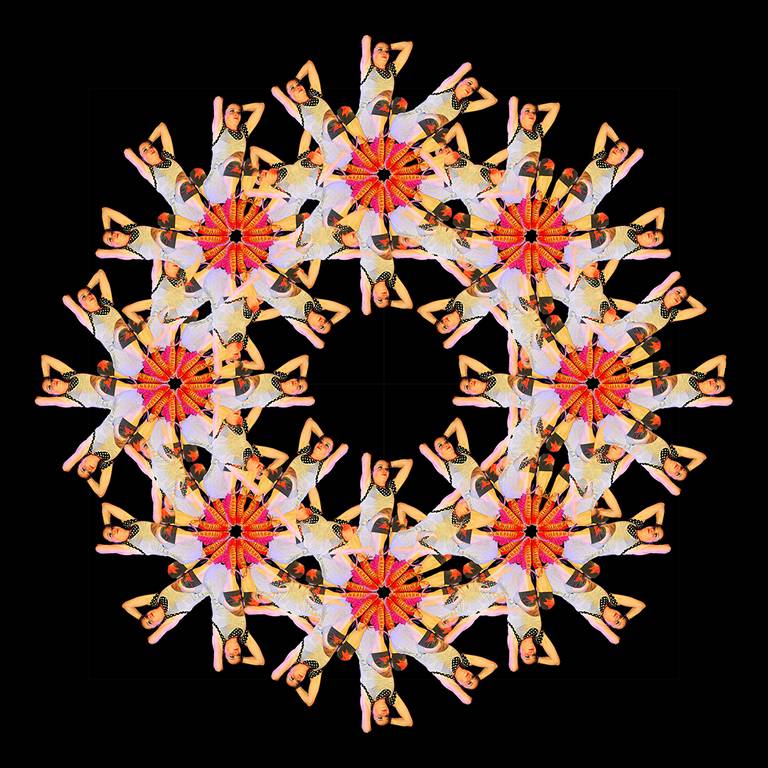
The square format of Judy Sara’s ‘Daisy Twirl’ frames the subject well. The strong colours stand out with the attractive brilliant red in the middle. It has nice symmetry.
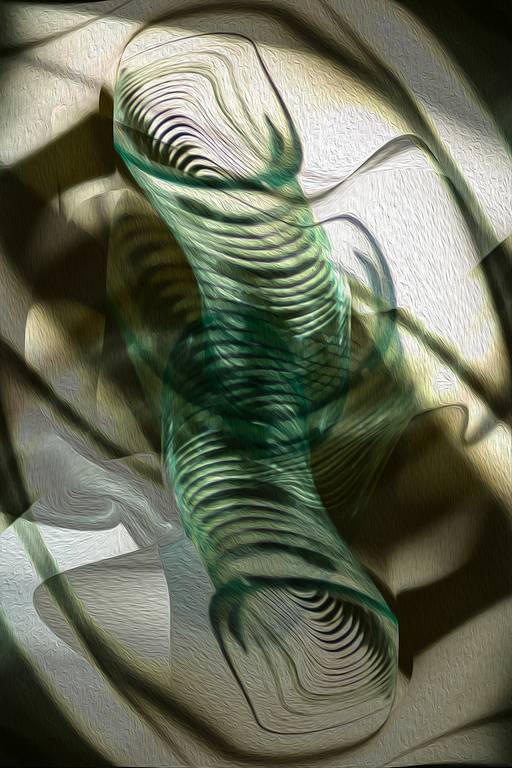
Vicki Kramer’s ‘Abstract Glass’ is an interesting composition, with different moulded shapes and the relevant shadows. The image has movement and has a strong diagonal composition. It shows a good use of the portrait format.
Lovely forms in Vicki Kramer’s ‘Lake Tahoe Morphed’ and it fits the space well. It keeps you guessing what it is.

This is a high impact image by Vicki Kramer. ‘Which Way is Up’ fits into the square format well.
Colour Prints – Open Category
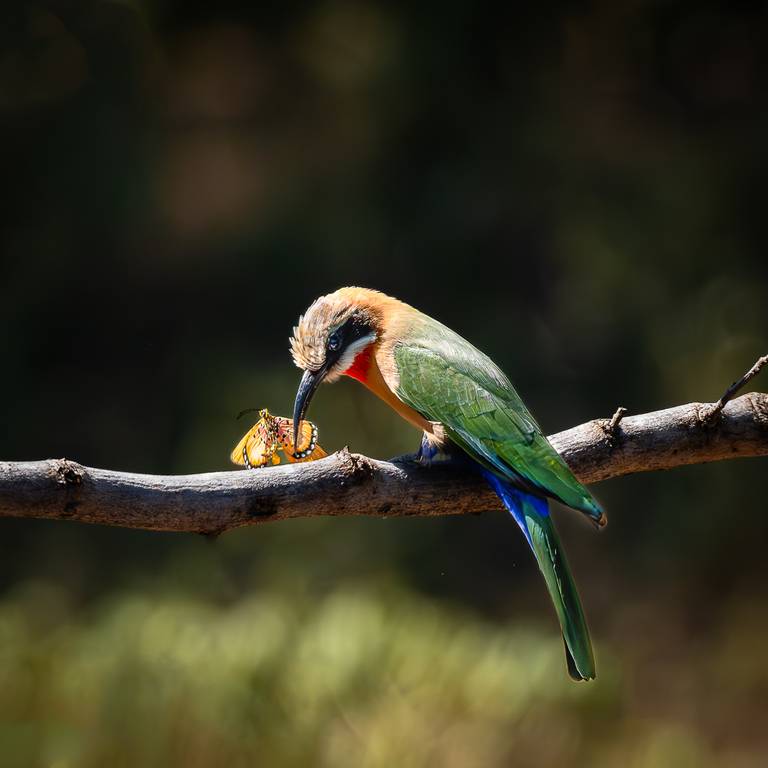
Judy Sara’s ‘Bee Eater Eating’ is a good use of the format, is has a horizontal element with the branch balanced by the line of the bird. Good detail on the bird and well executed and composed.
Again by Judy Sara, ‘Ostrich Family’ has warm tonings, the ostriches have good detail, good depth with the out of focus background. The three chicks tell a story. It is nicely composed with no distractions and enough space to give balance.

Michael Selge’s ‘Calistemon Snack’ shows the lovely colours of the bird and the flower. The background is controlled and out of the way. There are no distractions. The profile of the bird is good, rather than front on. It is looking at nebulous space.

Monochrome Prints – Open Category
Michael Selge’s ‘Horny’ is all about the silhouette and the stark lighting. The movement from the arms and bodies add interest as does the diffused lighting.

Also by Michael Selge, ‘Dune Rats’ is a delightful live concert image. The singer’s eyes really stand out. There is strong lighting behind him, making this a difficult capture. The strength of the image is in the singers’ expression. The image has good tone and good composition.

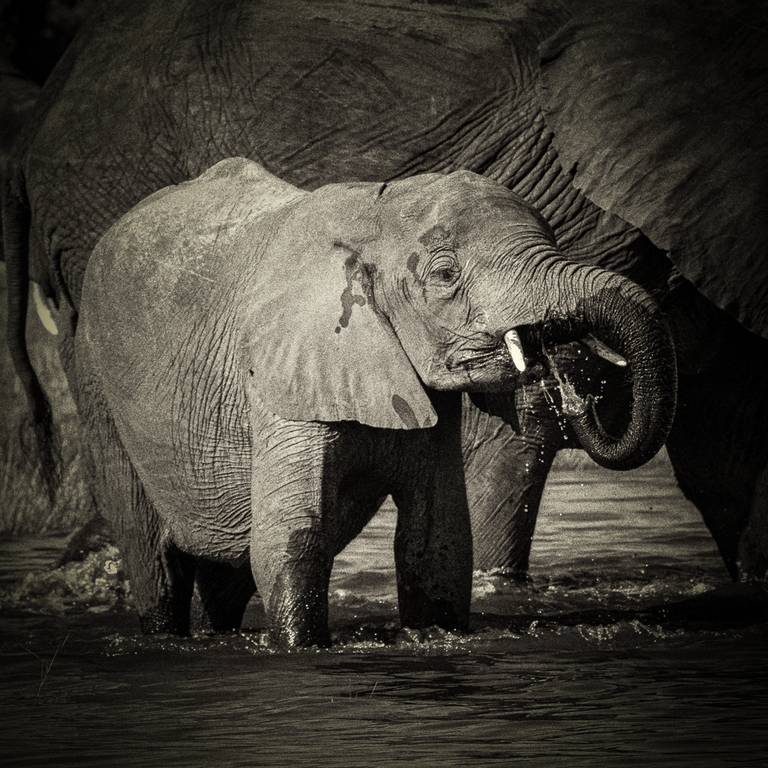
‘Baby Elephant Drinking’ by Judy Sara has good tonal separation. The little elephant shows good separation from the adult. The image has good texture. Even though we canno see the absolute scale of the larger beast, we can see the little one which gives the scale of the larger animal. There is enough detail on the highlights and it has a lovely tonal range and tells a story.
Water – Competition 13th February 2025
This competition requires the photographer to capture the way in which water moves and the way it interacts with light, in either a natural setting or a controlled environment.
The Judge for this competition was Peter Phillips. Peter is a member of the Edwardstown Photographic Club, and has been a judge for 20 years.
The following are the top images from the competition and the Judge’s comments.
Projected Colour Set Subject
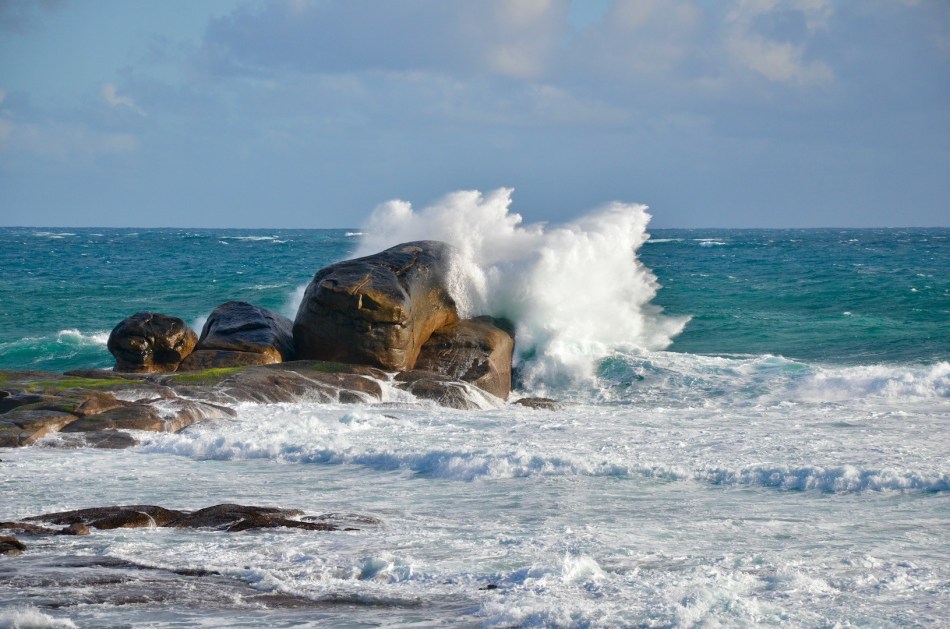
Hazel Marshall’s image ‘Wave Meets Rocks’ used a fast shutter speed capturing the action of the wave.
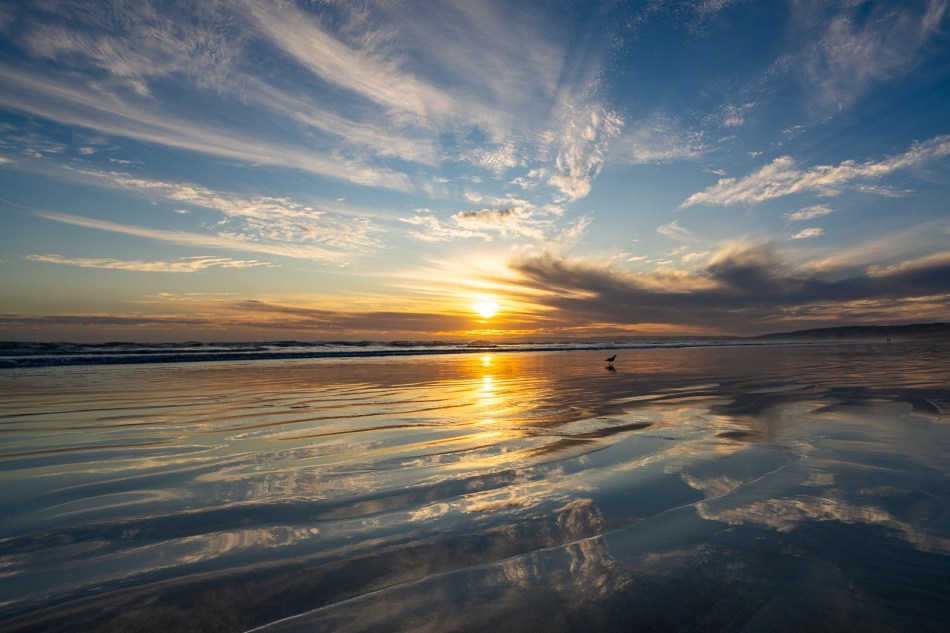
‘Reflective Water’ by Michael Selge caught the sunrise. The seagull draws the viewer’s attention and the image has nice colours. Michael got low to capture this shot.
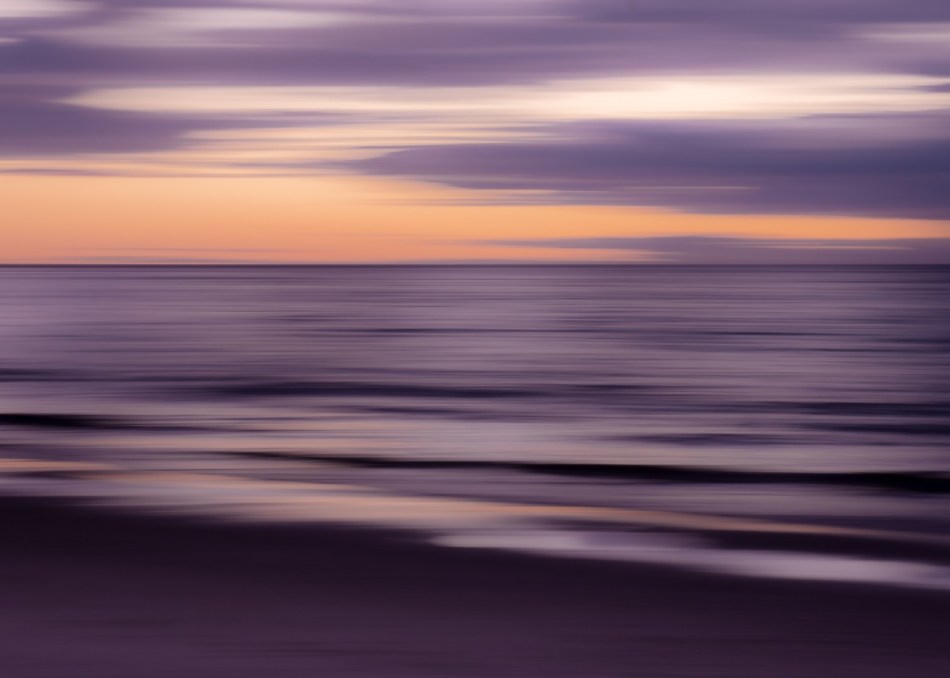
Sarah Bailey’s ‘Liquid Twilight’ was very nicely caught, with intentional camera movement giving a beautiful result.
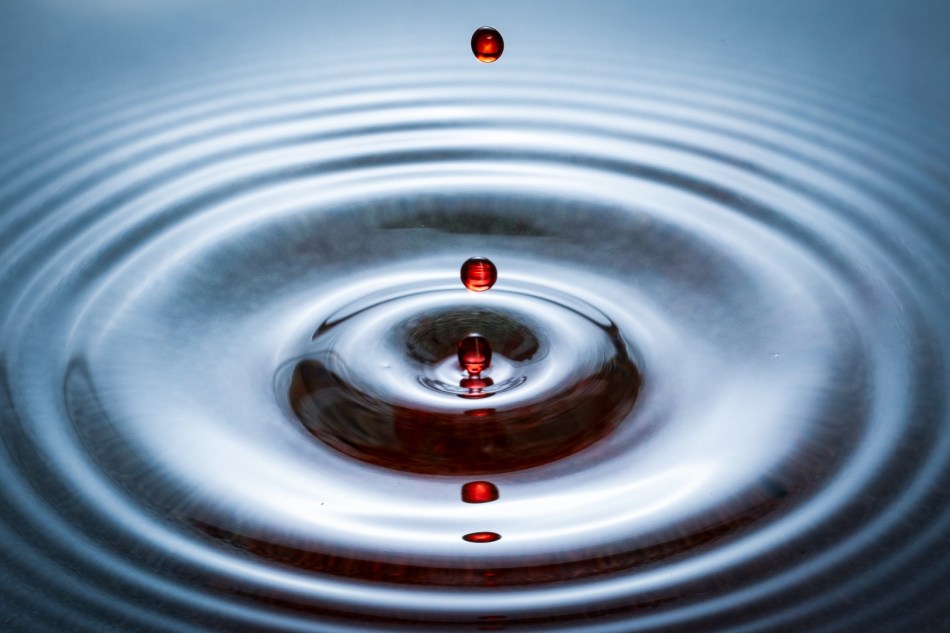
‘Drip Drop’ also by Michael Selge was not an easy subject to capture, but was handled very well.
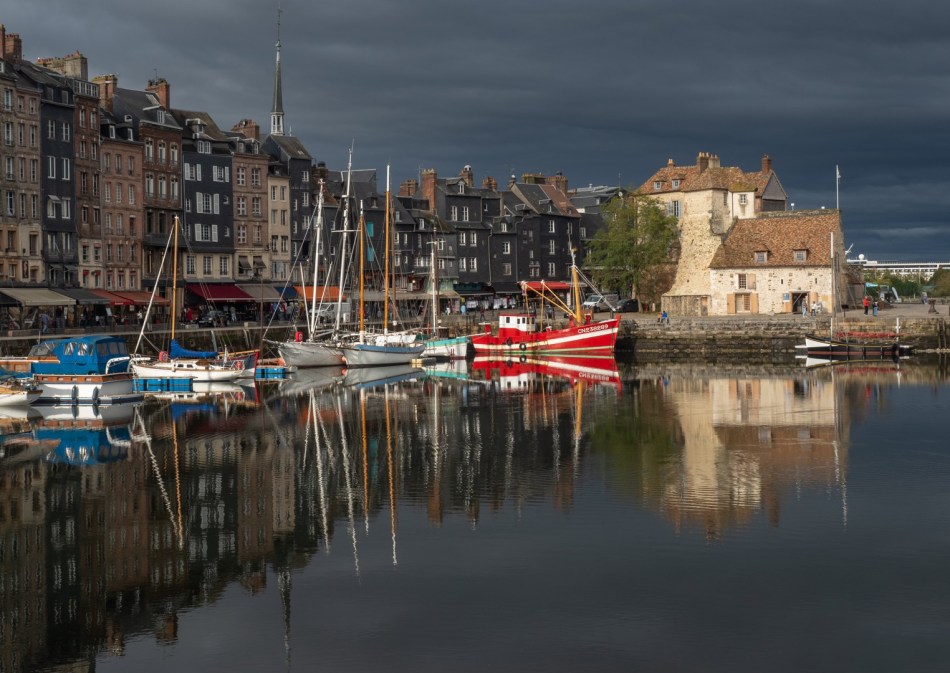
‘Old Port, Honfleur’ by Meredith Retallack has a nice reflection and good light, especially the light on the building. The colours pop.
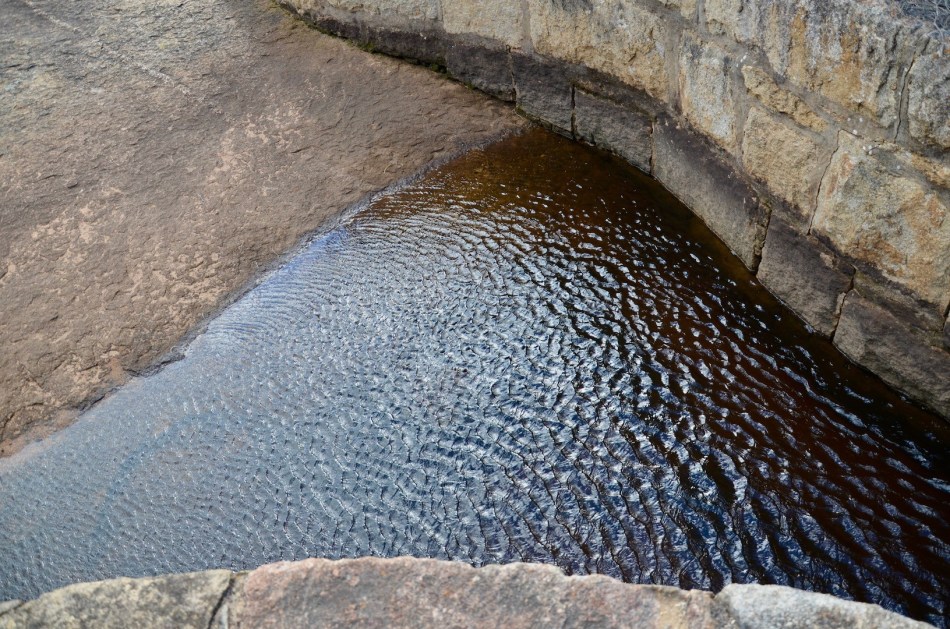
‘Ripples’ was taken by Hazel Marshall. A simple composition that shows the ripples on the water well.
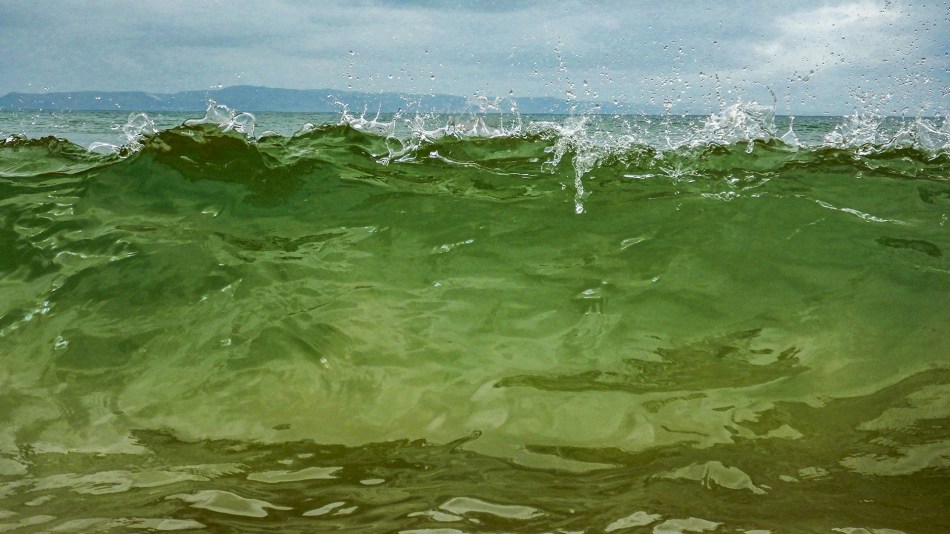
‘Wall of Water’ taken by Vicki Kramer has captured amazingly green water.
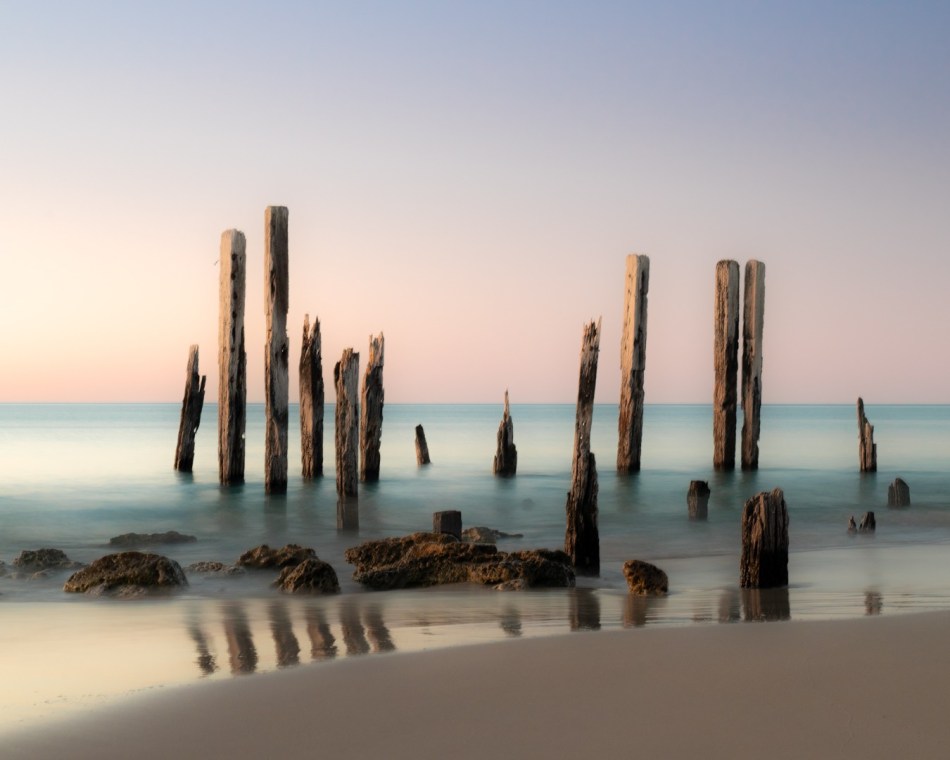
Sarah Bailey’s ‘Water’s Whispers’ has a beautiful soft look.
Projected Monochrome Set Subject
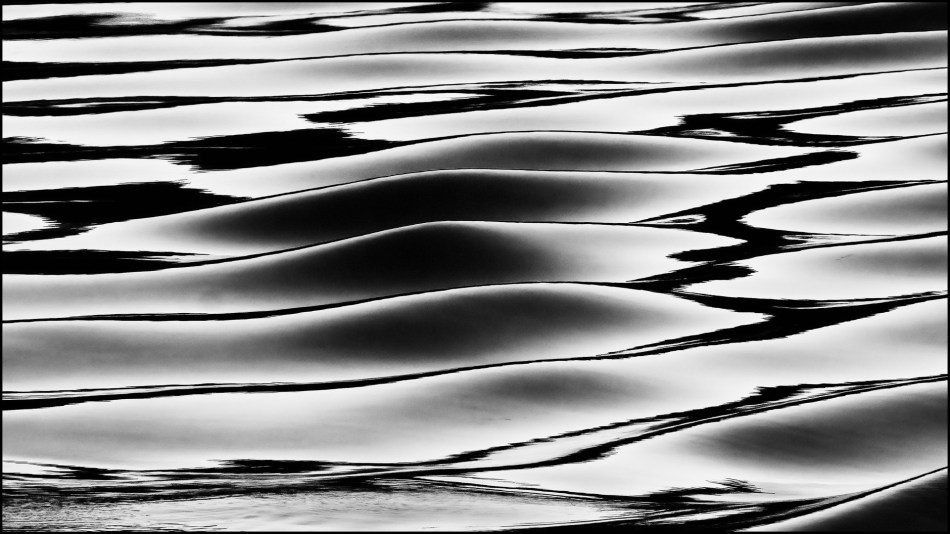
Judy Sara’s ‘Curves and Horizontals’ is well handled, the whites are not blown out and has good composition.
Meredith Retallack’s ‘Profusion of Pearls’ shows the light reflections very well with good composition.

The following two images were taken by Judy Sara. The first ‘Ripples in the Waves’ has nice composition. The ripples with the reflections and the pattern is what makes this photo.

The second, ‘Drinking’ shows an elephant from a different perspective.

Projected Colour Open Category
The Judge said ‘Love is in the Air’ by Sheila Gatehouse was well spotted, a quirky photo.

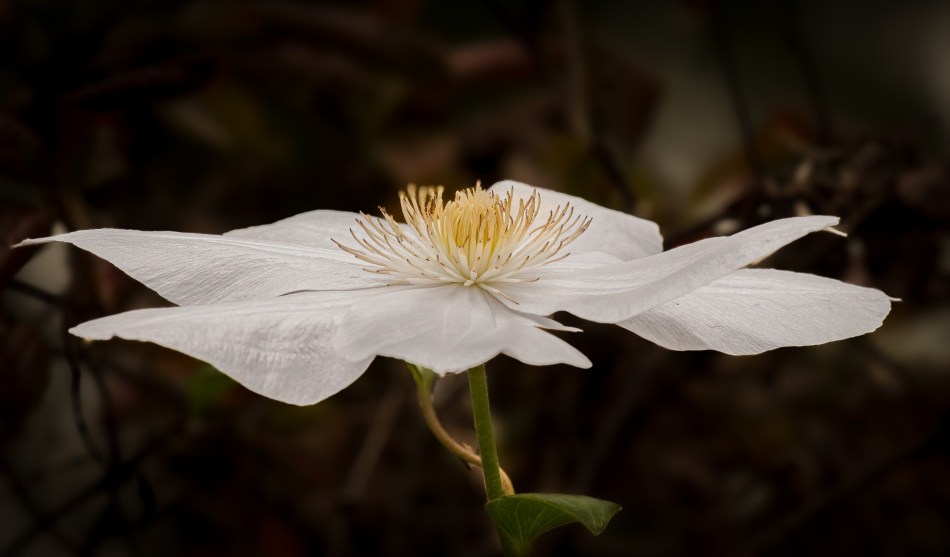
‘Clematis’ by Susan Bell has been nicely taken, with good depth of field, with a good out of focus background.
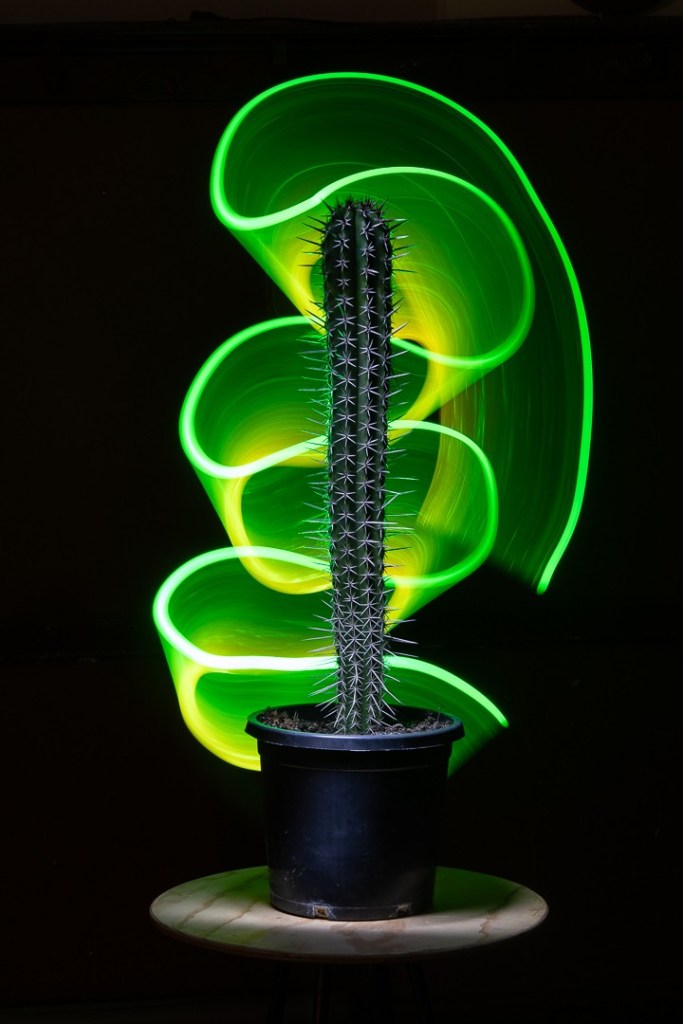
‘Illuminated Cactus’ by Gordon Lindquist is an interesting photo, creative and well thought through and taken.
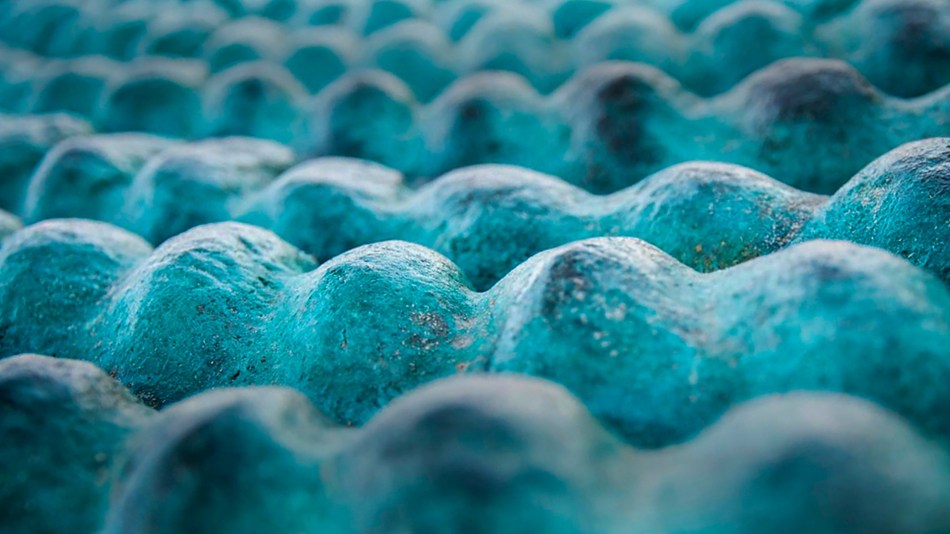
‘Lumpy Bits’ is difficult to determine what the photo is of, but has an abstract feel, it keeps you guessing.
Projected Monochrome Open Category
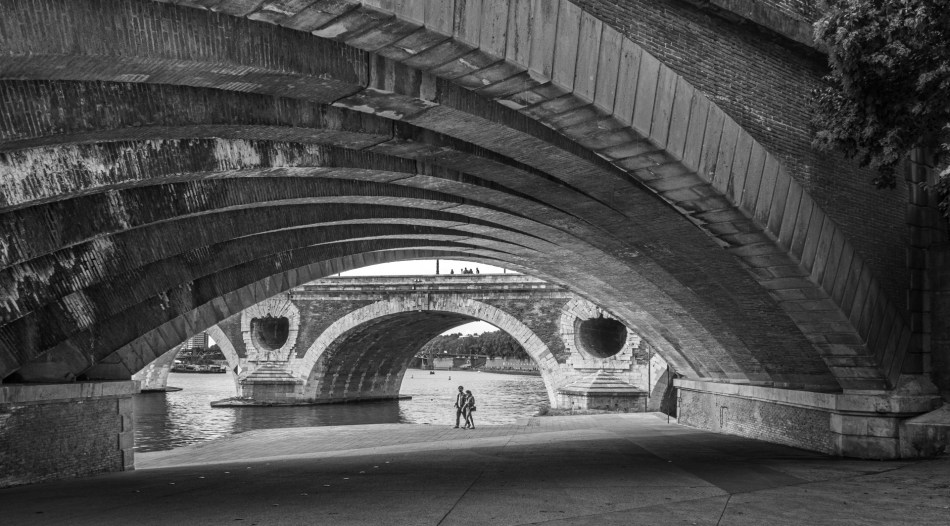
‘Meredith Retallack’s ‘Arches, Toulouse’ has a good aspect to the arches with people walking through at exactly the right moment.
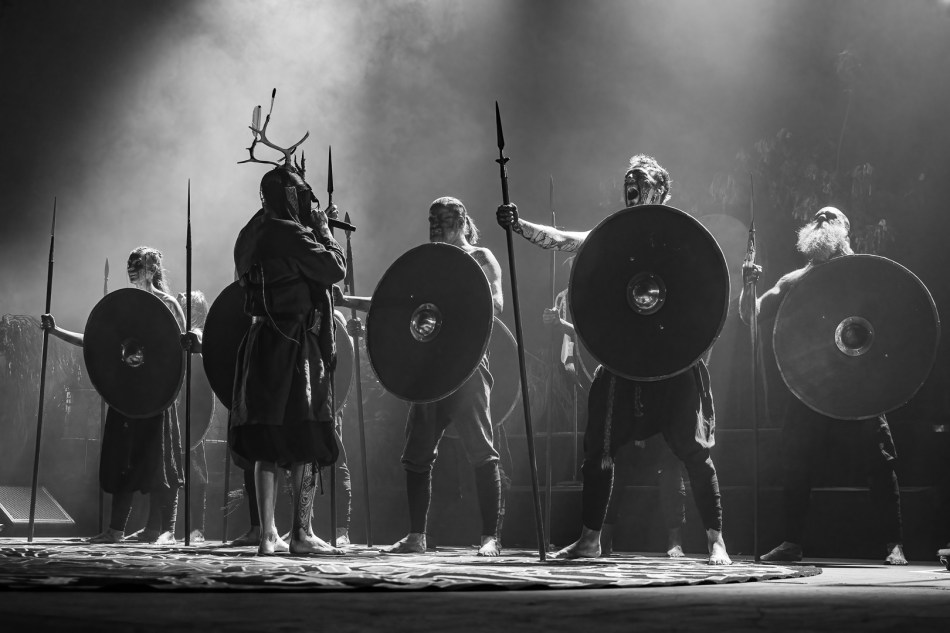
‘Heilung’ by Michael Selge has difficult lighting for photography, the man with his arm out and open mouth steals the show. It is a powerful shot.
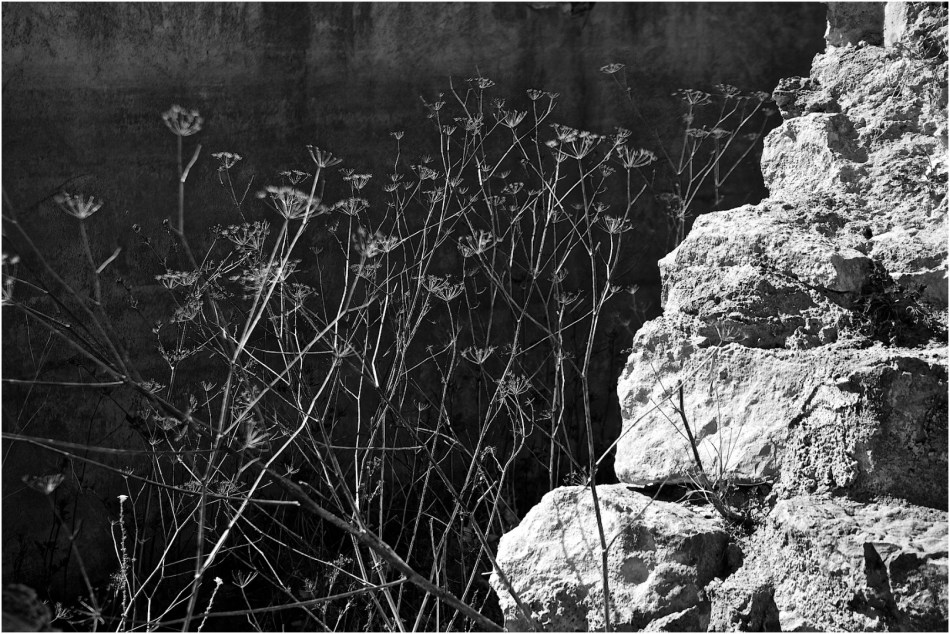
Heather Connolly’s ‘Inneston Weeds’ is a very simple, with good composition and good detail. The plants stand out and are nicely isolated.
‘Hammerfall’ by Michael Selge is a good stage shot.

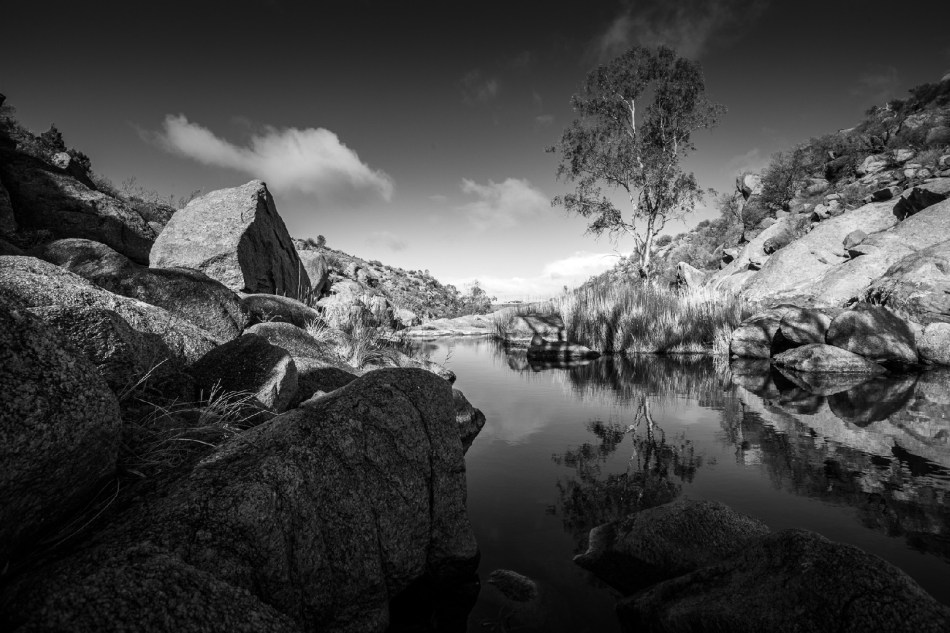
Rod Patterson’s ‘Mannum Falls’ is nicely exposed. Good black and white tones.
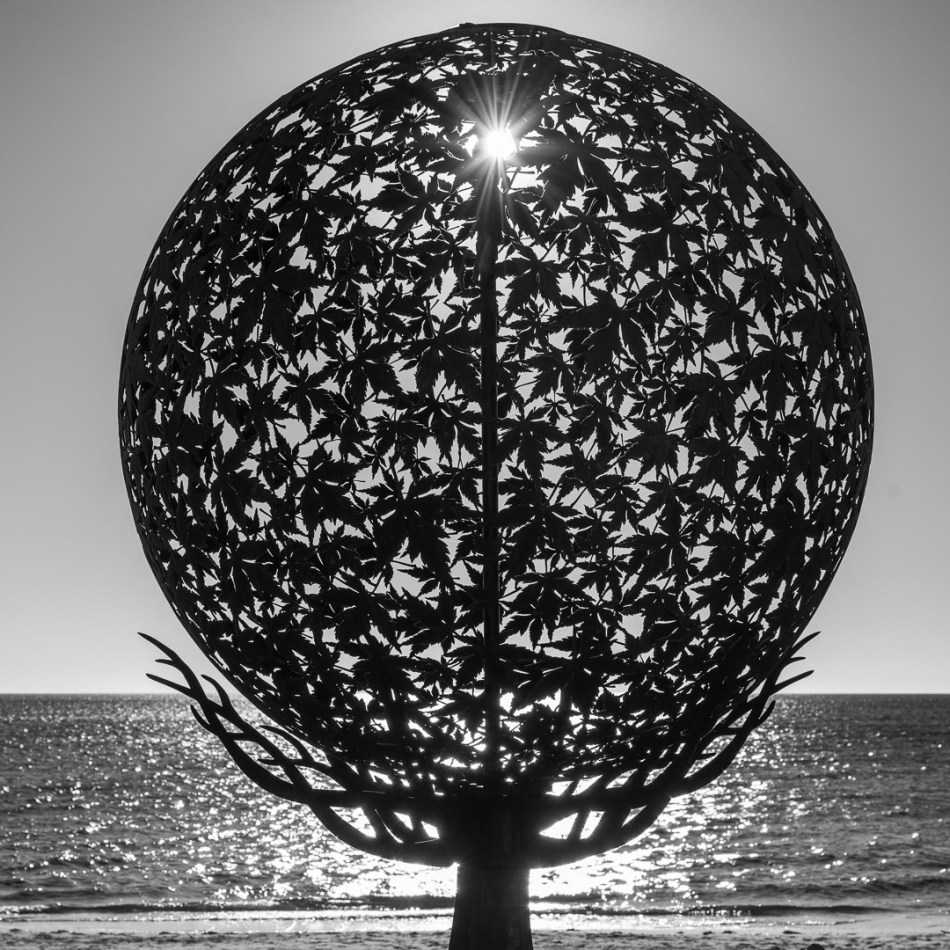
Michael Selge’s ‘Sphere’ shows a lovely piece of sculpture.
Prints Colour Set Category
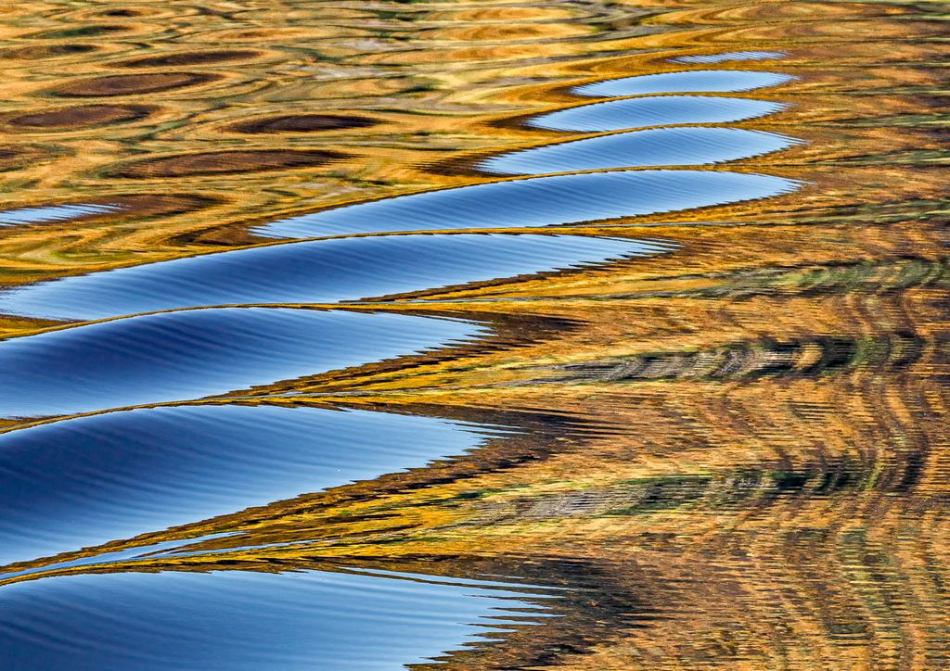
‘Autumn Reflections’ by Judy Sara used gold and blue which are great complementary colours. The image has a wow factor with the reflections showing the subtle movement of water.
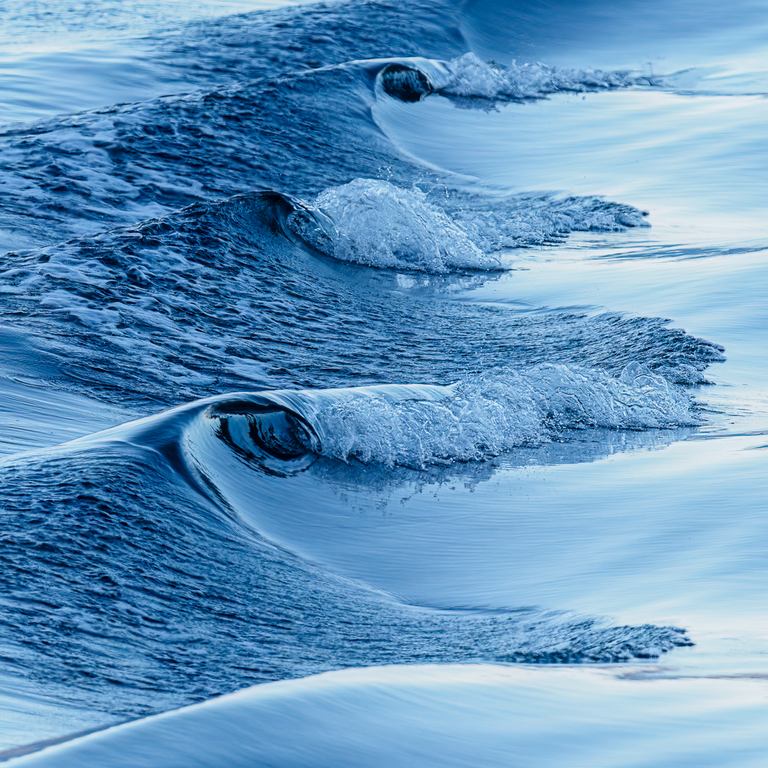
Also by Judy Sara ‘Bow Waves’ shows the light on the crest of the waves.
Mono Prints Set Category
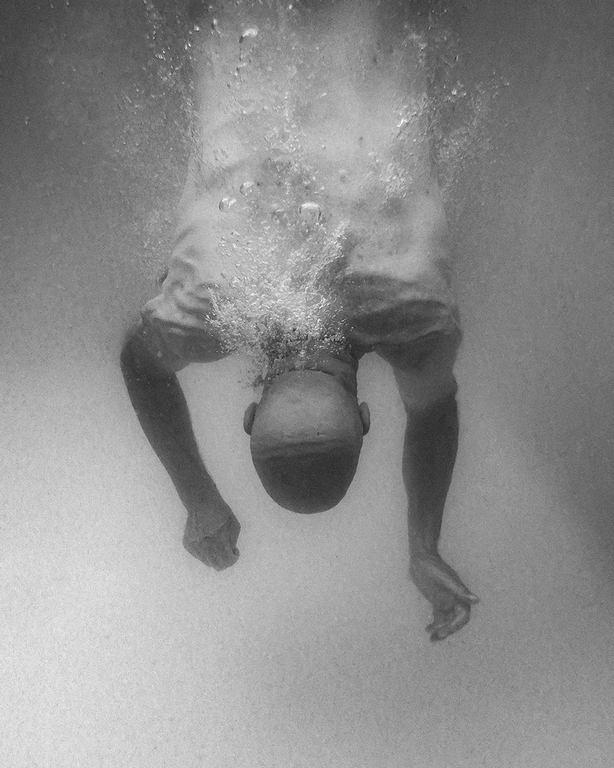
‘Into the Deep’ by Vicki Kramer shows the movement of water, you can see the air bubbles. It is a creative shot.
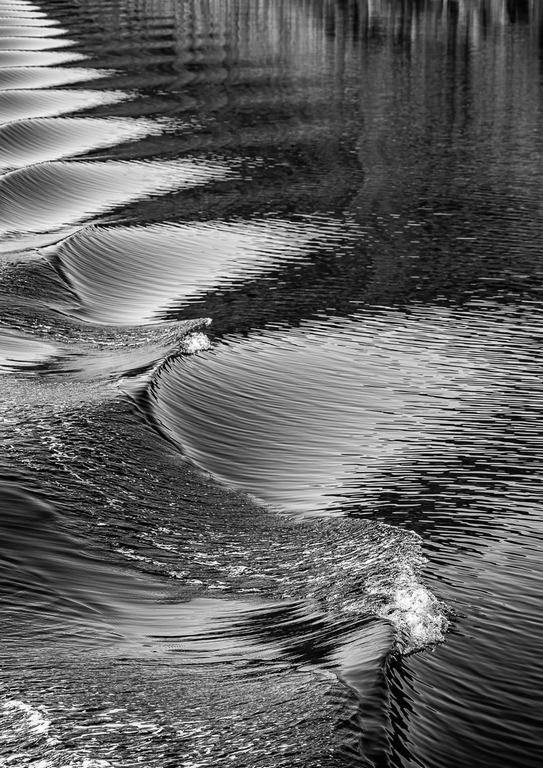
Judy Sara’s ‘Waves and Reflections’ is a nice shot.
Colour Prints Open Category
Michael Selge’s ‘Calistemon Snack’ is beautifully sharp with great feather detail. The bottle brush is sharp and the photo is well composed.
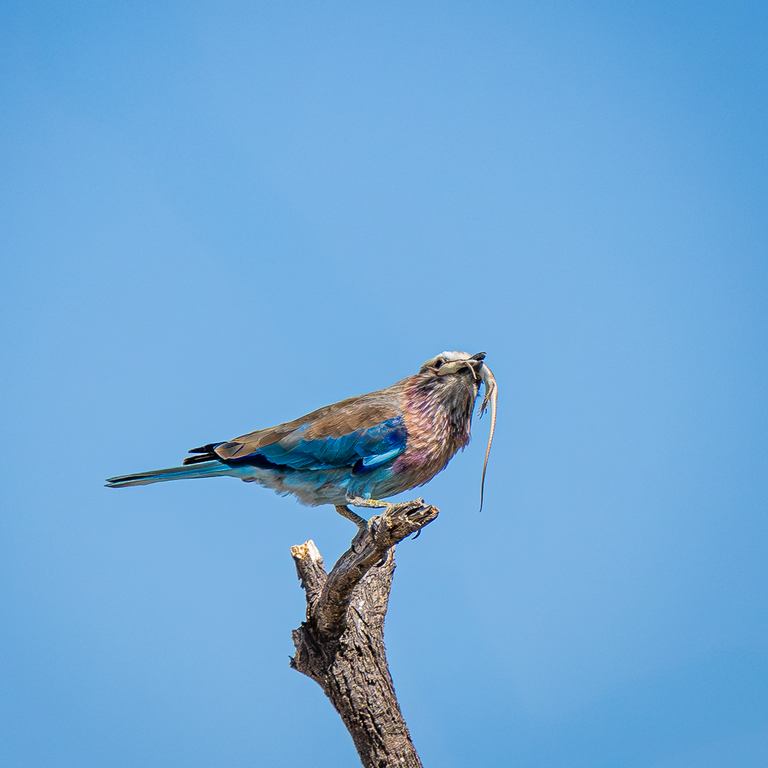
Judy Sara’s ‘Lilac Breasted Roller with Lizard has been presented in a minimalistic manner.
Mono Prints Open Category
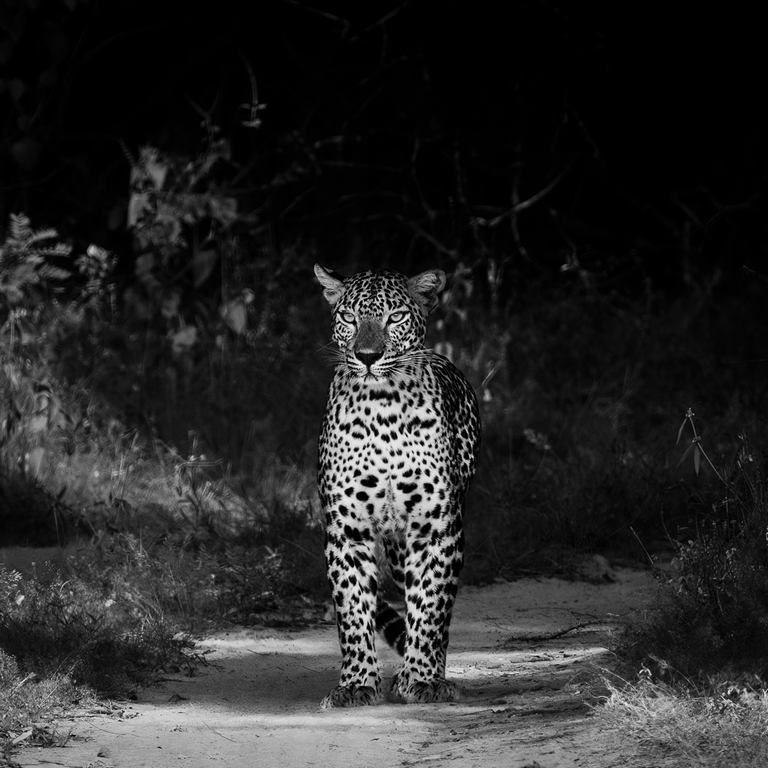
Judy Sara’s ‘Coming Down the Path’ is lovely and sharp, the dark background isolates the animal beautifully. Well presented.
‘Dune Rat’ by Michael Selge has been excellently handled, especially with the difficult lighting. Lovely light on the face, with his wide open eyes. The drums in the background don’t intrude.
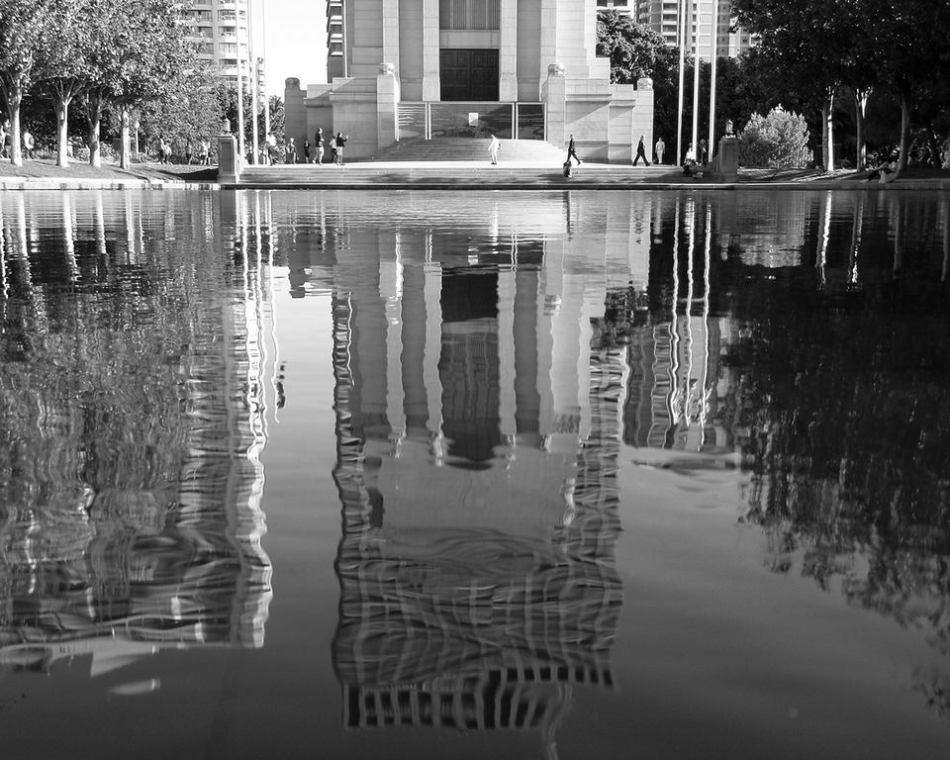
Vicki Kramer’s Memorial Reflections’ creates impact where the photo is brightest, the ripple effect shows the reflection well.
Blackwood Photographic Club Annual Exhibition 2024
Our Annual Exhibition was held on Thursday November 21st with a good turn-out of members to celebrate our achievements for the year.
There were three specialist category awards:
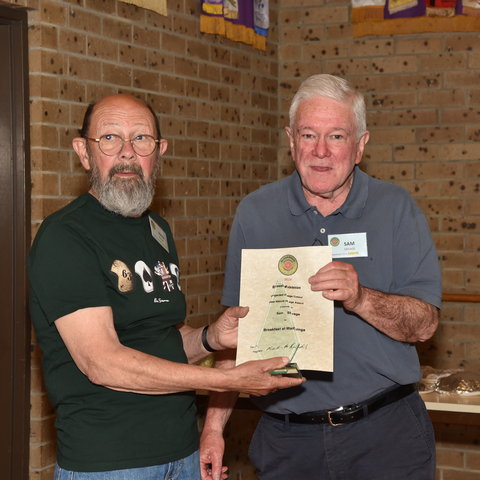
The Best Nature Award was won by Sam Savage with Breakfast at Waitinga
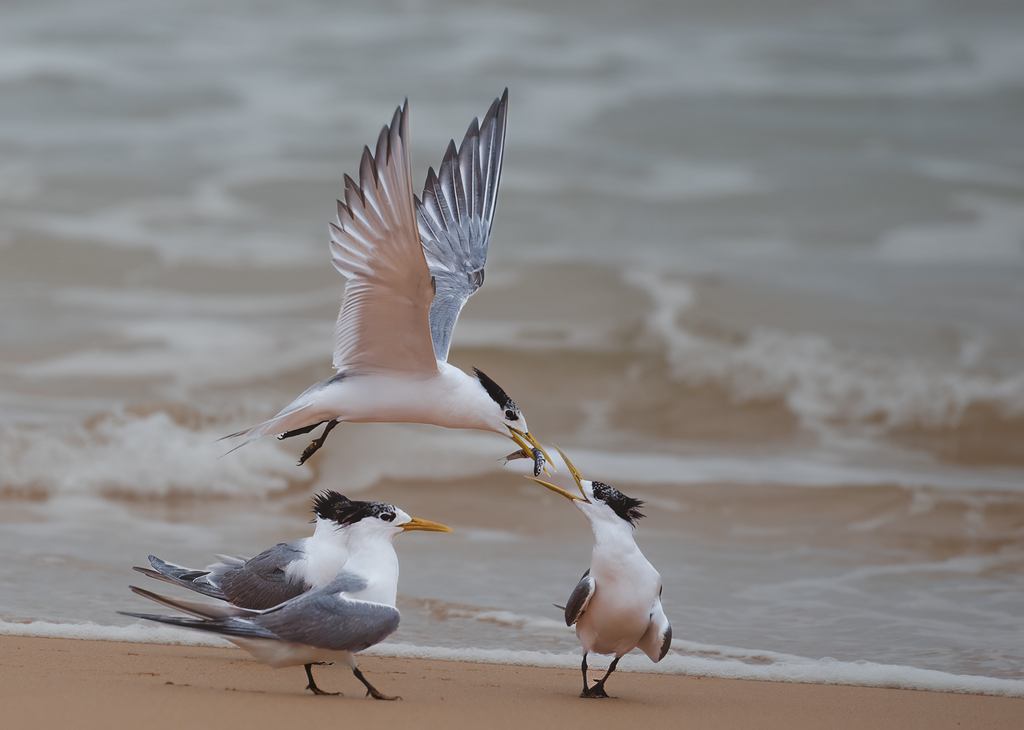
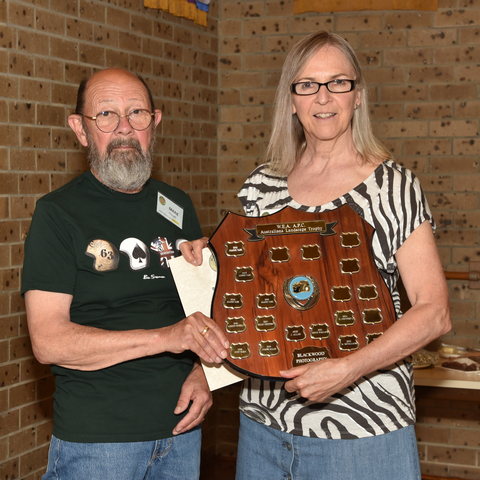
The WEA Landscape Award was won by Helen Whitford with Aurora Reflection

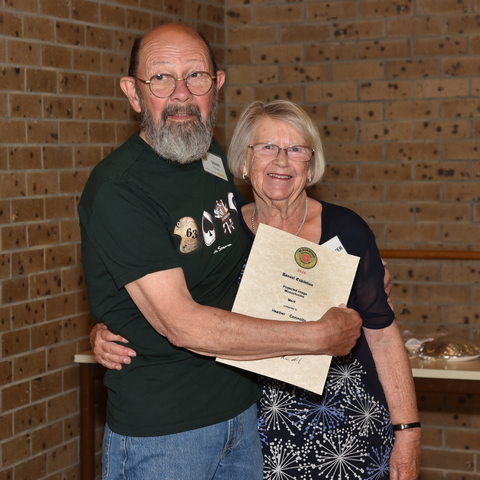
The Best Long Exposure Award was won by Helen Whitford with Winter Solace


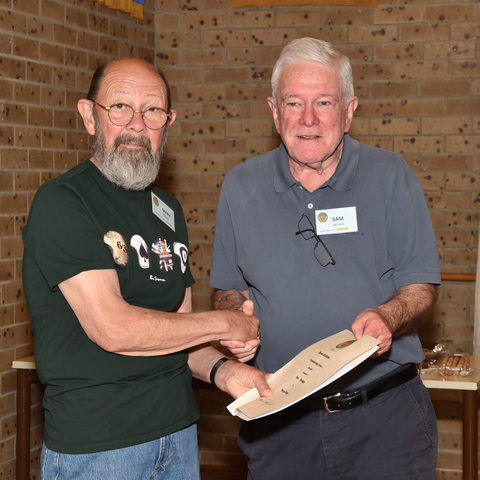
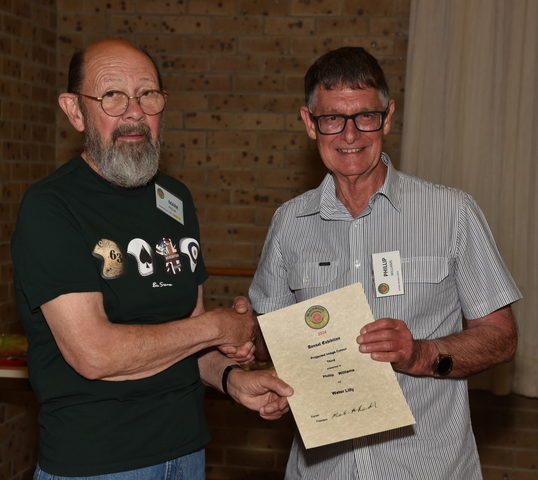
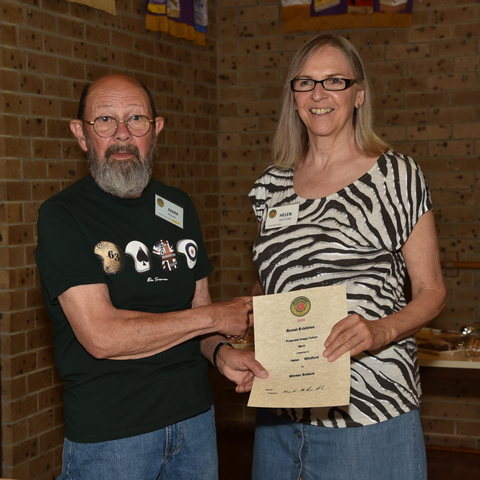
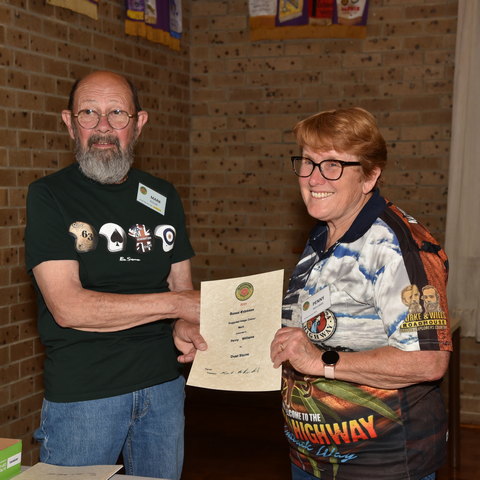
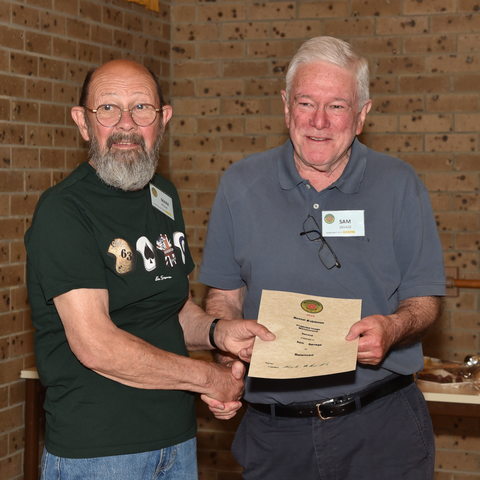
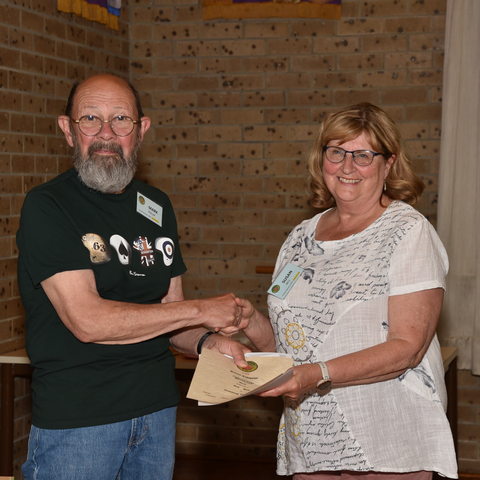
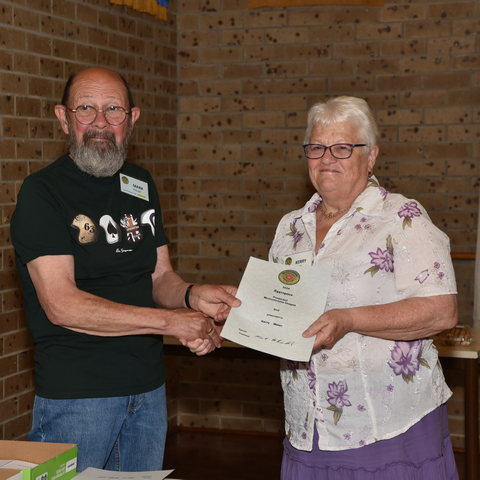
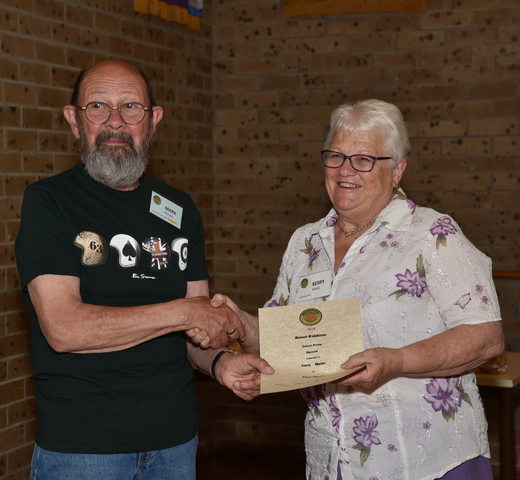
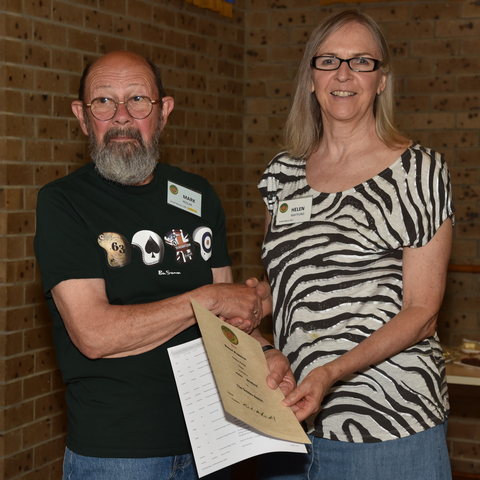
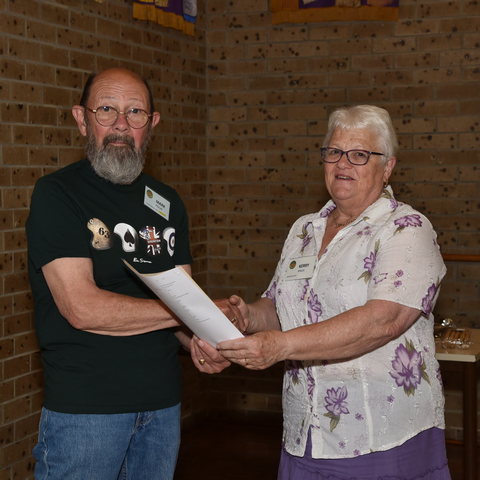
The awards were presented by Mark Pedlar, the club’s president.
The full list of awards was as follows:
Projected Digital Images – Colour Division
First – Hutt St Photos Award – Sam Savage – Breakfast at Waitpinga

2nd – Sam Savage – Fence Sitter
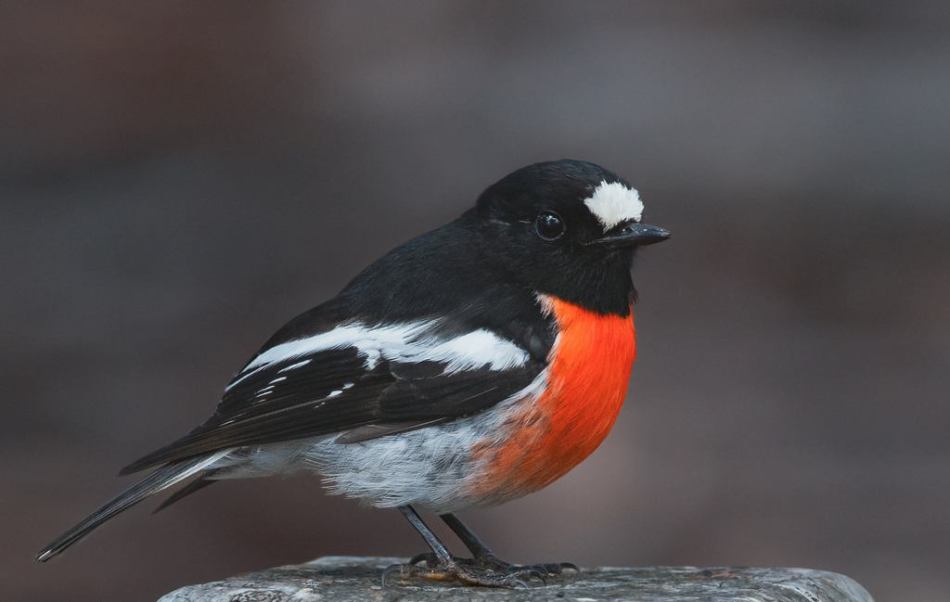
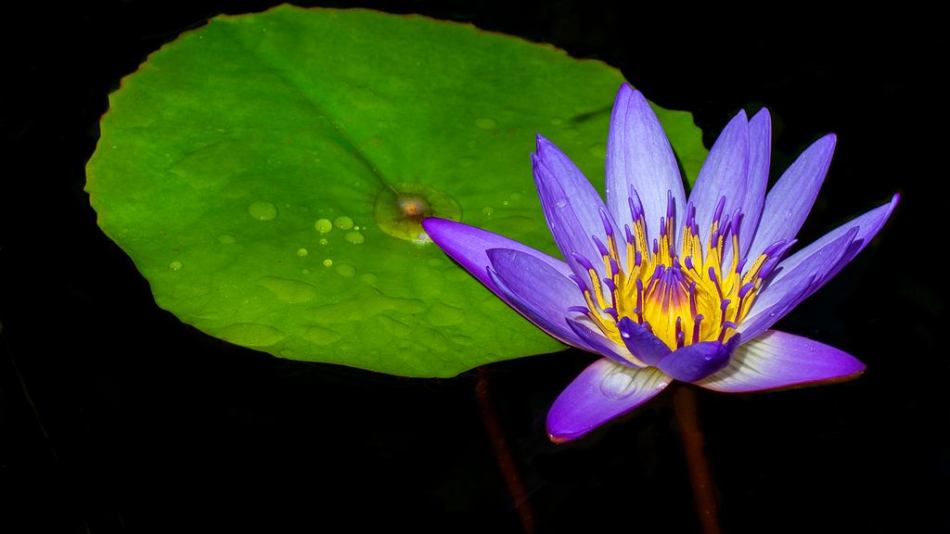
3rd – Phillip Williams – Water Lily
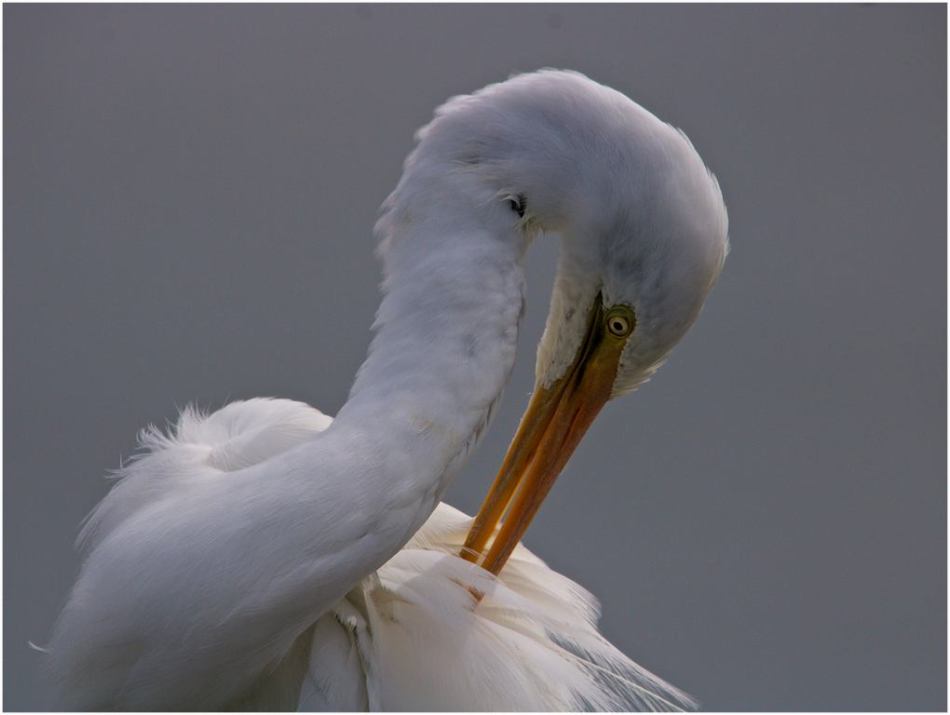
Merit – Heather Connolly – Great Egret
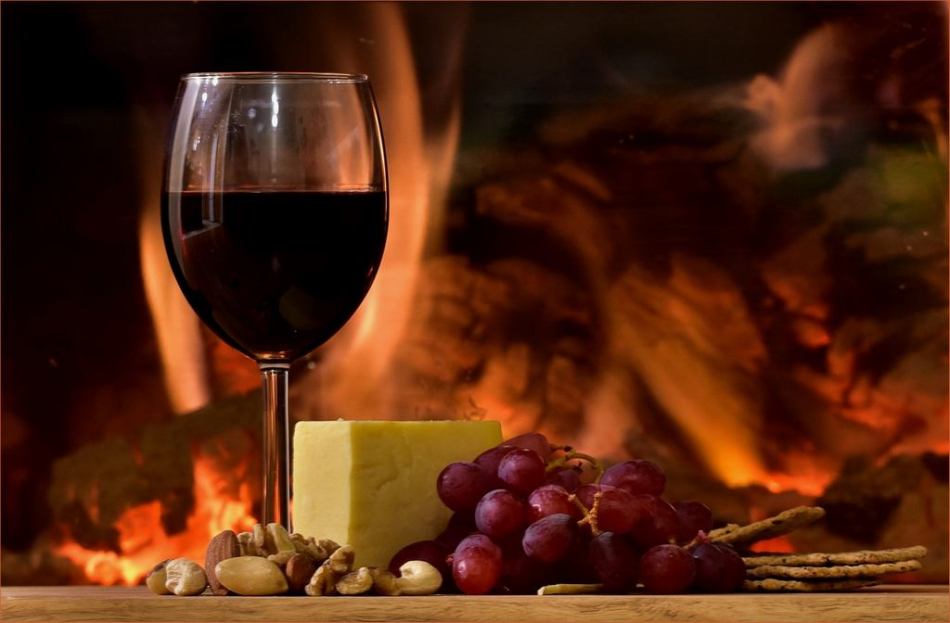
Merit – Helen Whitford – Winter Solace
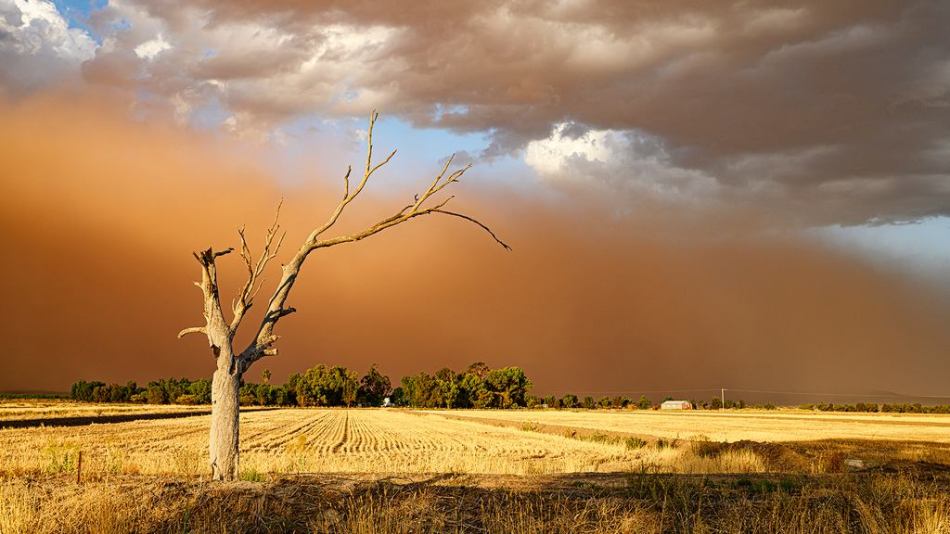
Merit – Penny Williams – Dust Storm
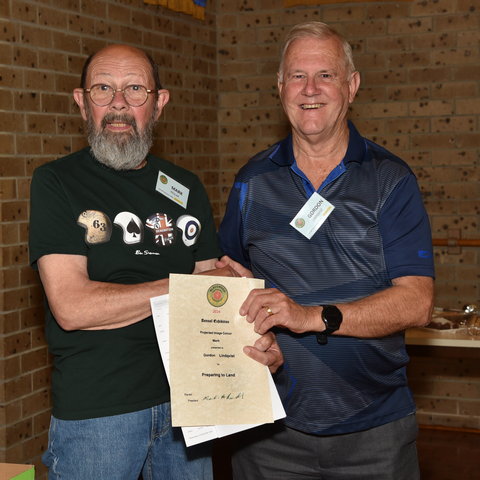
Merit – Gordon Lindqvist – Preparing to Land

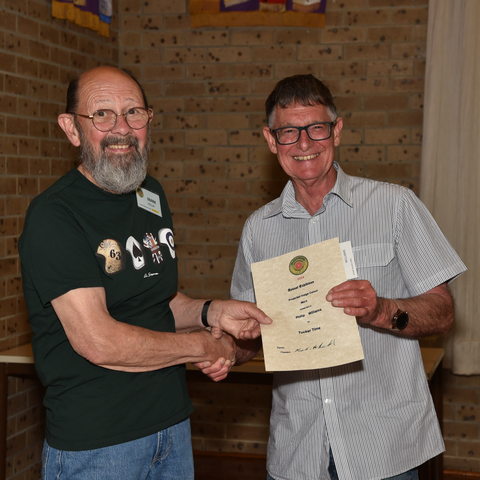
Merit – Phillip Williams – Tucker Time

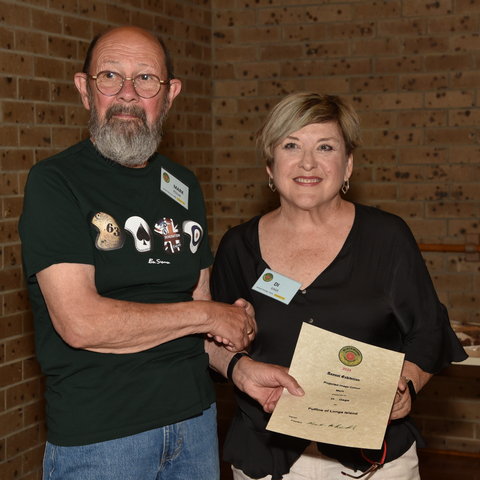
Merit -Di Gage – Puffins of Lunga Island

Annual Aggregate – Projected Digital Images – Colour
First – Michael Selge
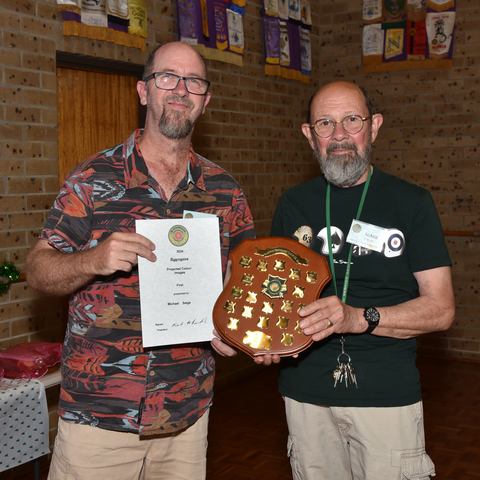
2nd – Kerry Malec
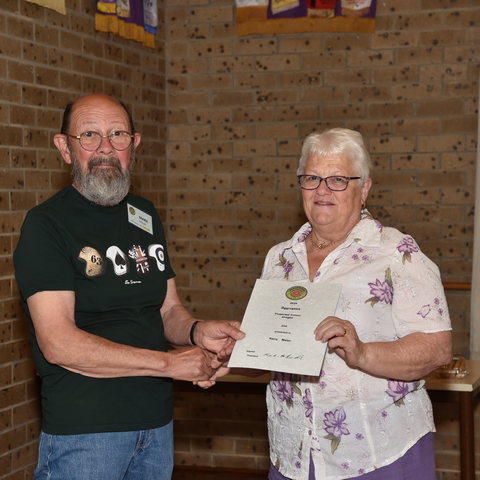
3rd – Heather Connolly

Projected Digital Images – Monochrome Division
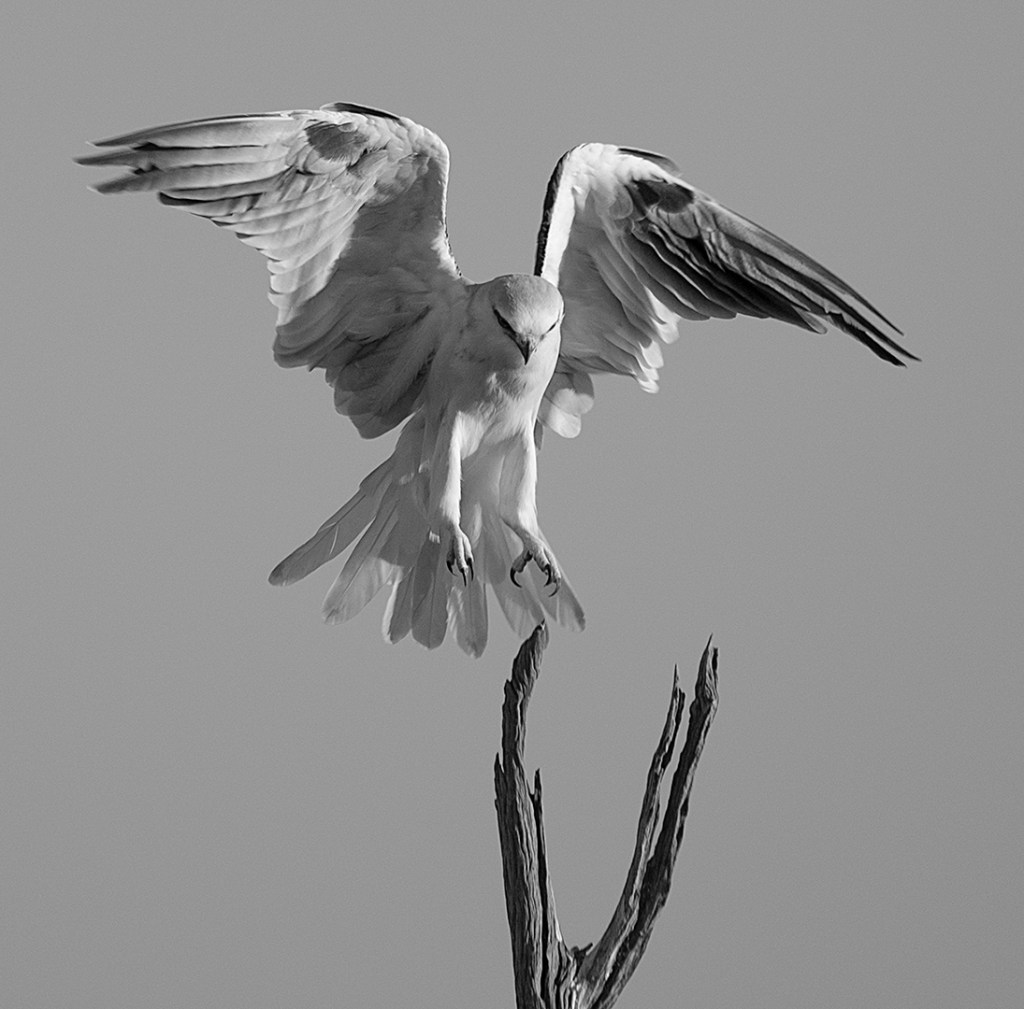
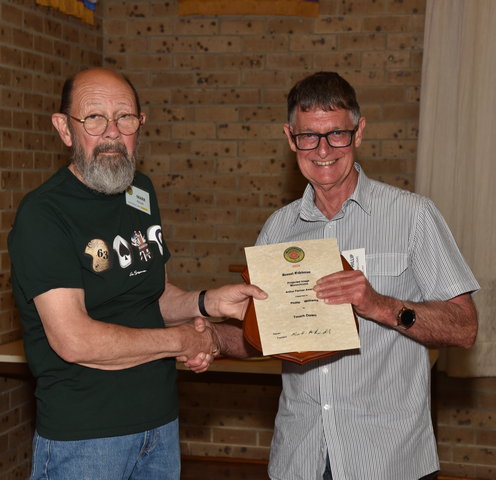
1st (Arthur Farmer Award) – Phillip Williams – Touch Down
2nd – Sam Savage – Balanced
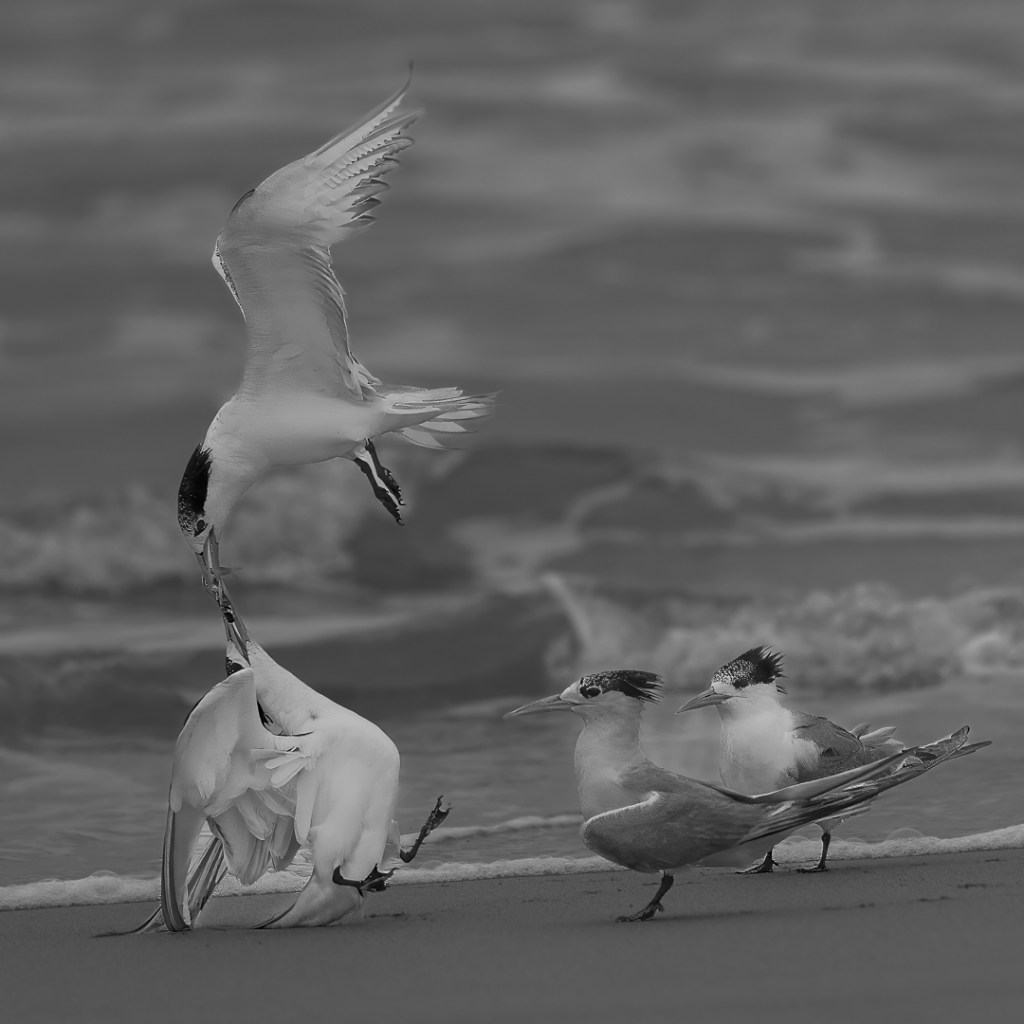
3rd – Gail Iskov – Coorong

Merit – Sue Bell – Coming Through

Merit – Heather Connolly – Not Today
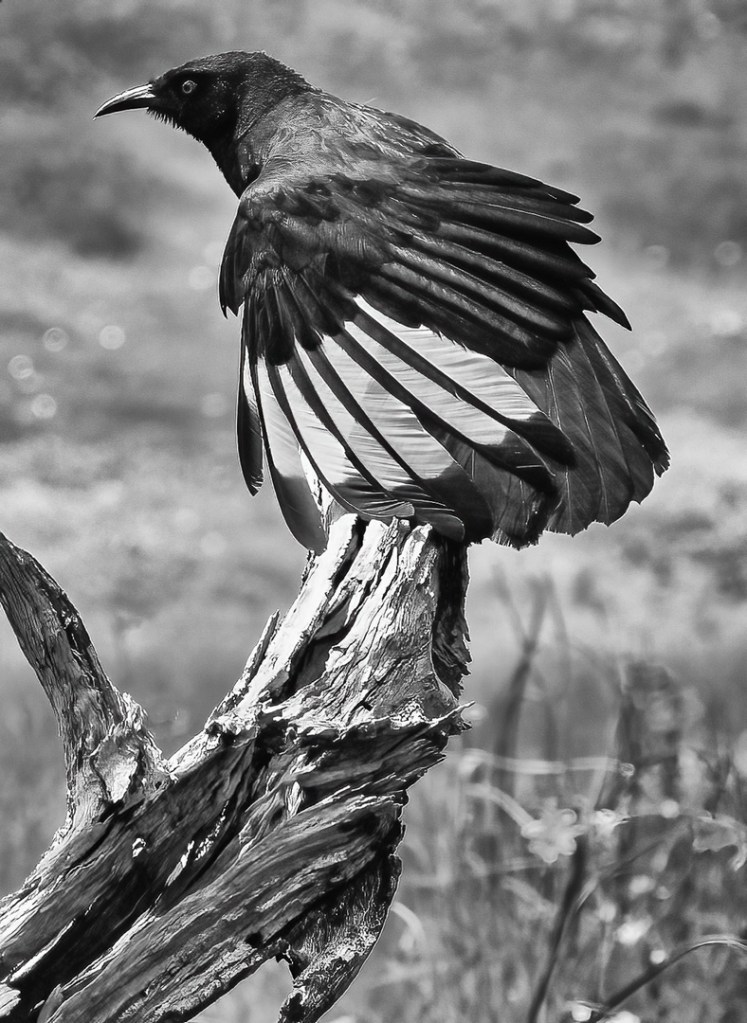
Merit – Di Gage – Drying My Wings
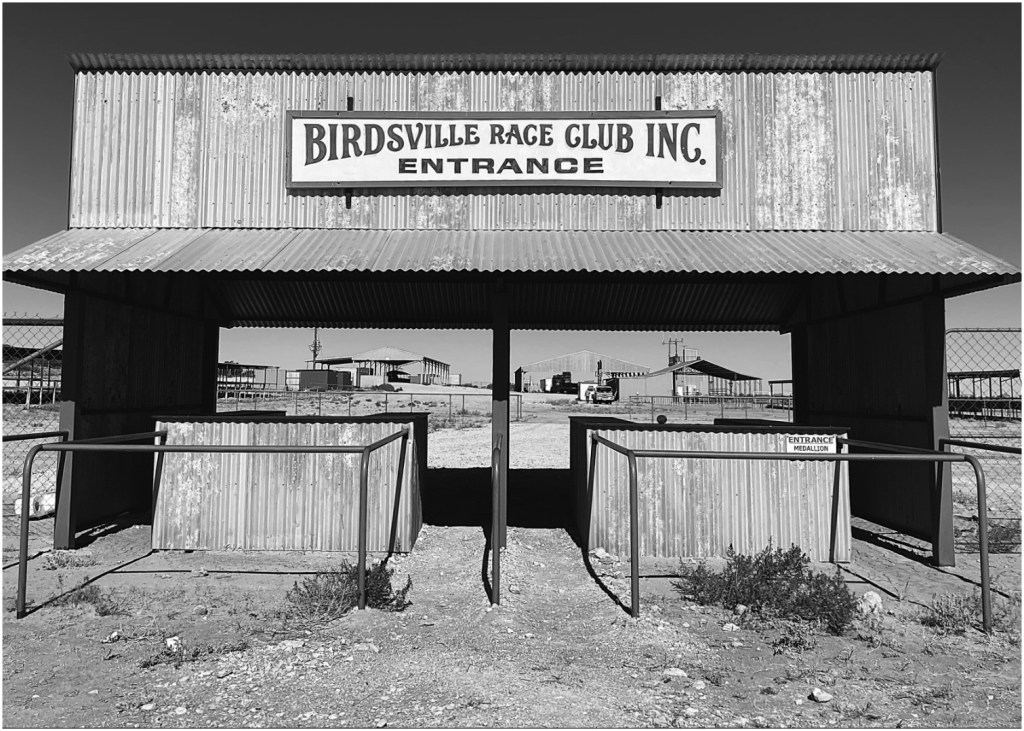
Merit – Gail Iskov – Sunrise at Marla

Merit – Michael Selge – Attitude
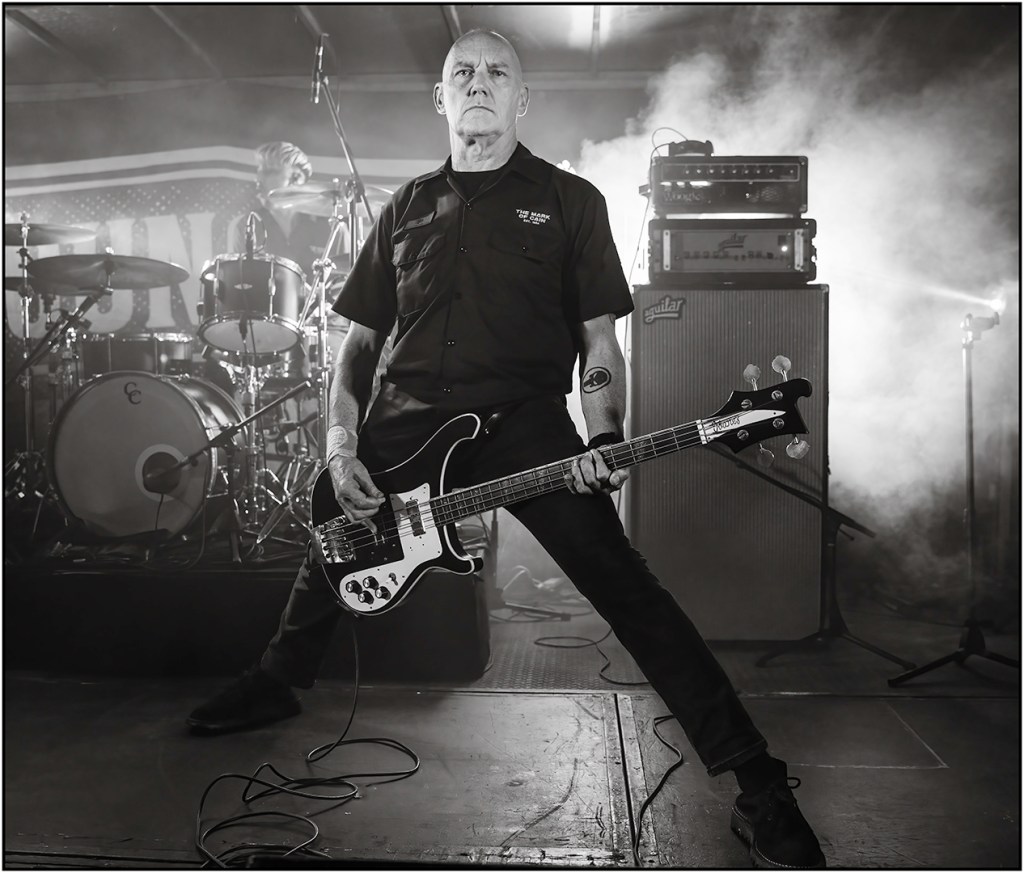
Merit – Penny Williams – Concert Performer
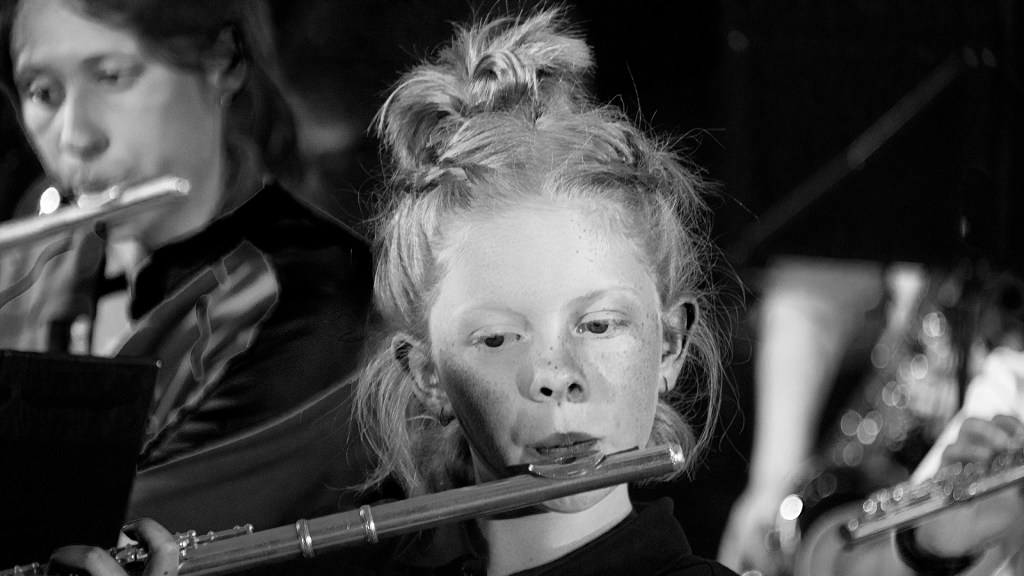
Annual Aggregate – Projected Digital Images – Monochrome
First – Blackwood Times Award – Michael Selge
2nd – Kerry Malec
3rd – Judy Sara

| Click HERE to see a video presentation of all the projected digital image entries. |
Colour Print Division
First – Helen Whitford – Aurora Reflection

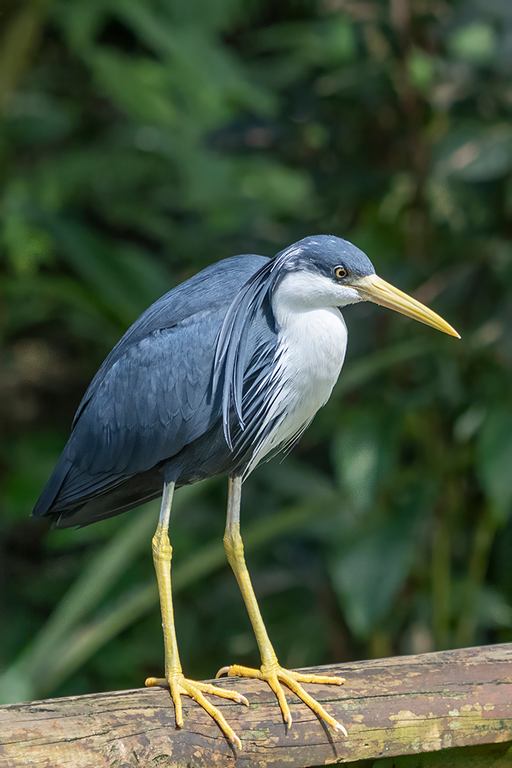
2nd – Kerry Malec – Pied Heron
3rd – Helen Whitford – The Golden Snitch

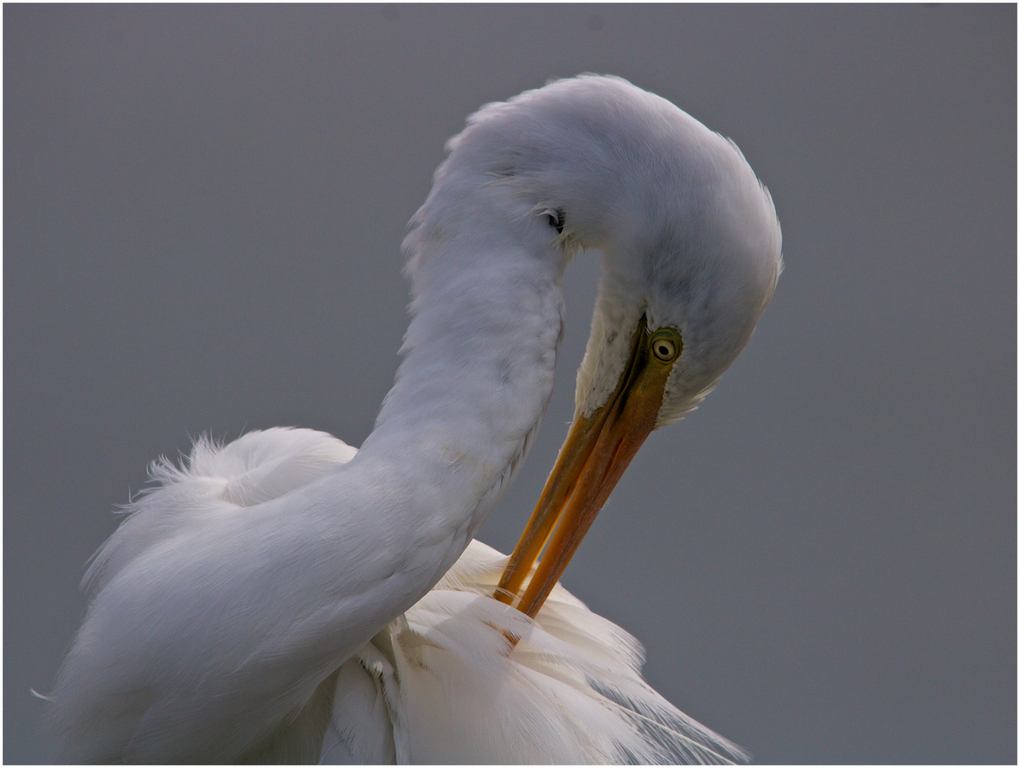
Merit – Heather Connolly – Greater Crested Egret

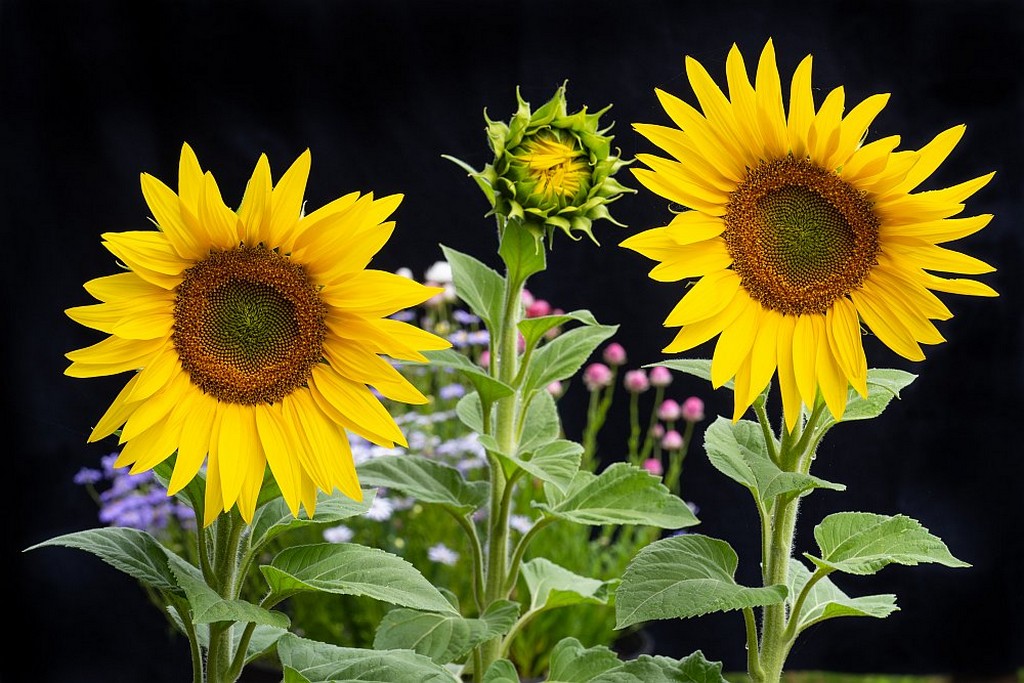
Merit – Michael Selge – Emerging Sunflower
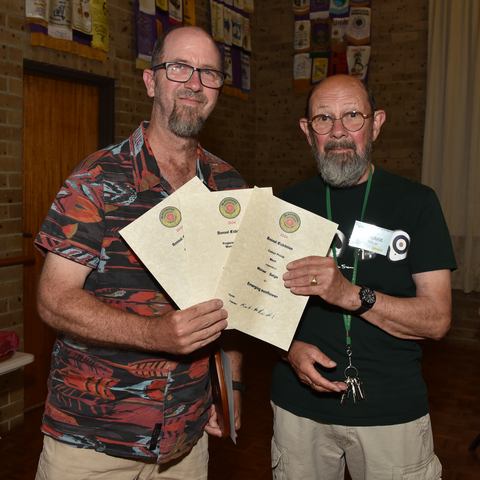
Merit – Michael Selge – Octagon

Merit – Penny Williams – Halong Bay
Image not supplied
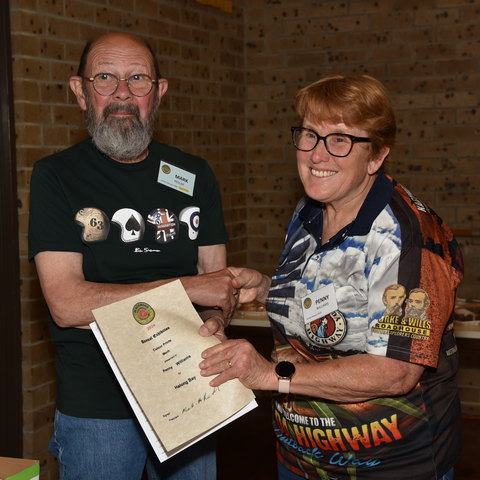
Annual Aggregate – Prints – Colour
First – Blackwood Photographic Award – Michael Selge
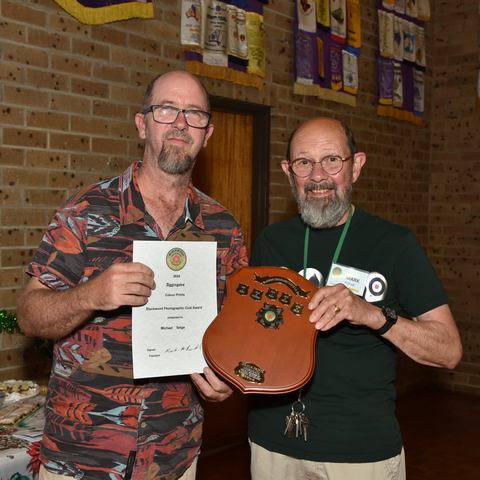
2nd – Judy Sara

3rd – Di Gage
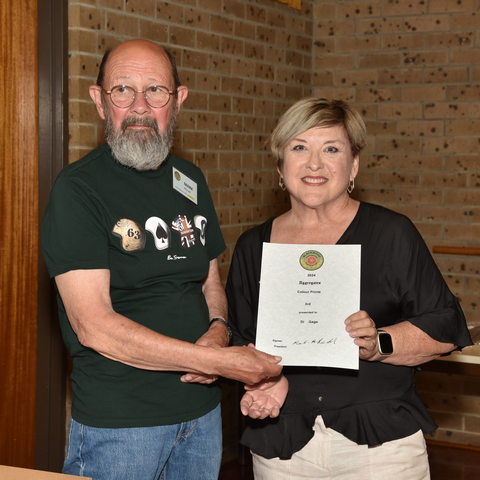
Monochrome Print Division
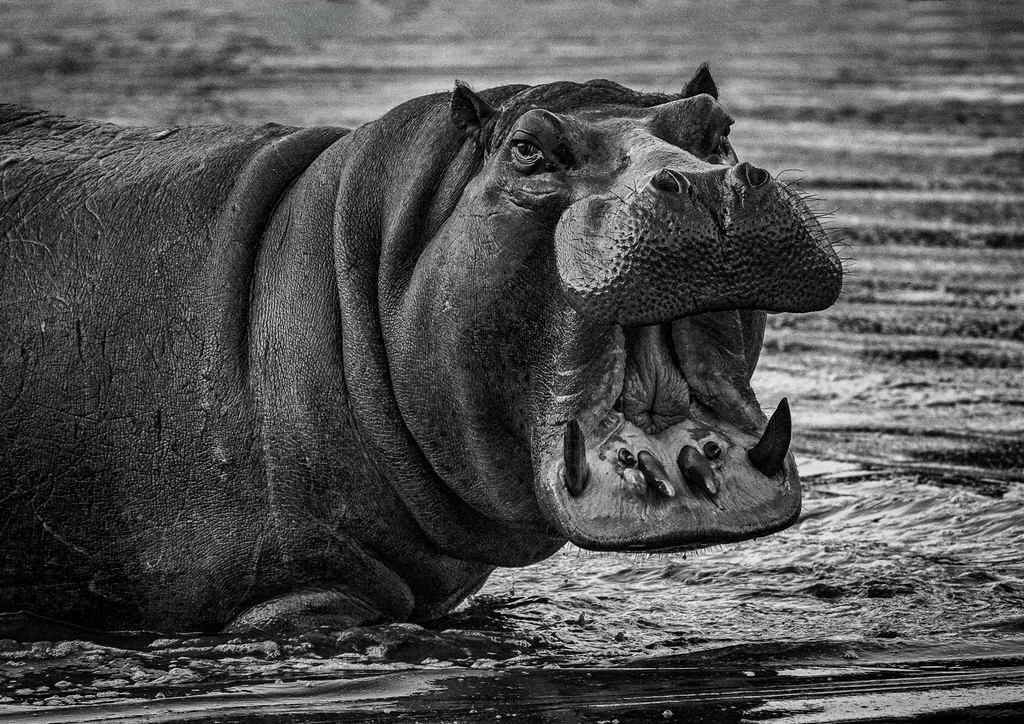
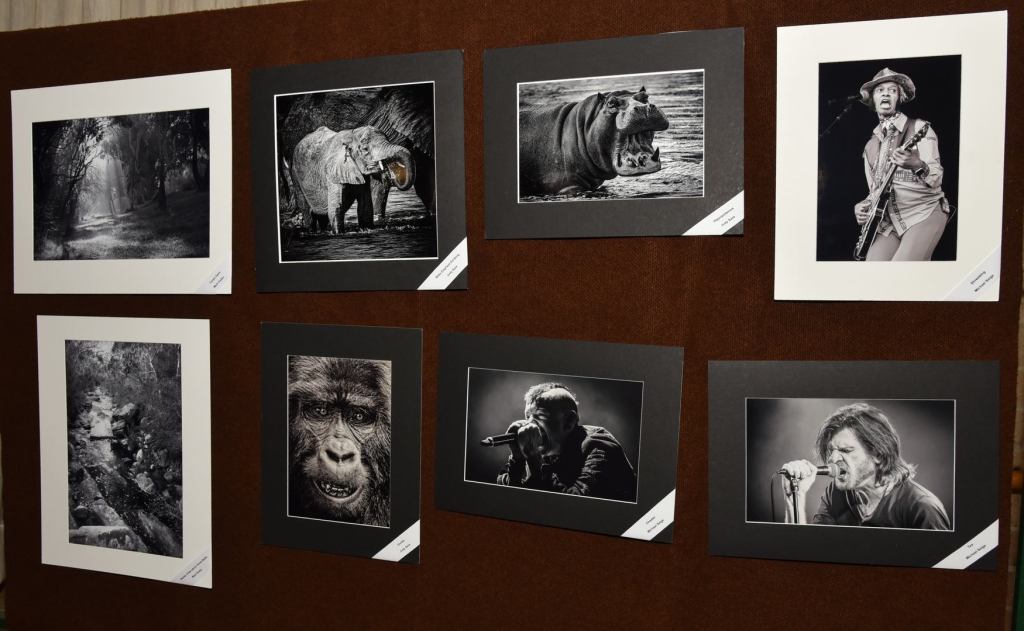
First – Judy Sara – Hippopotamus
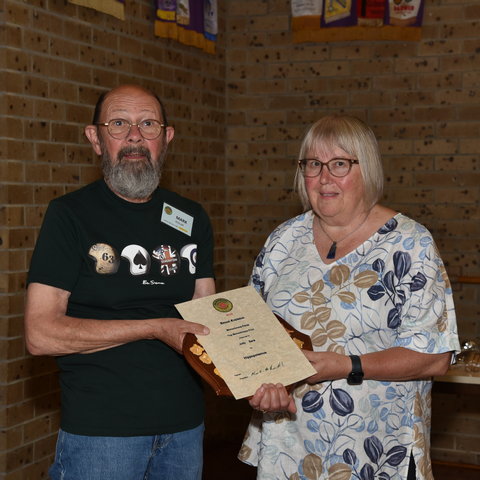
2nd – Kerry Malec – Comb-crested Jacana Hatchling

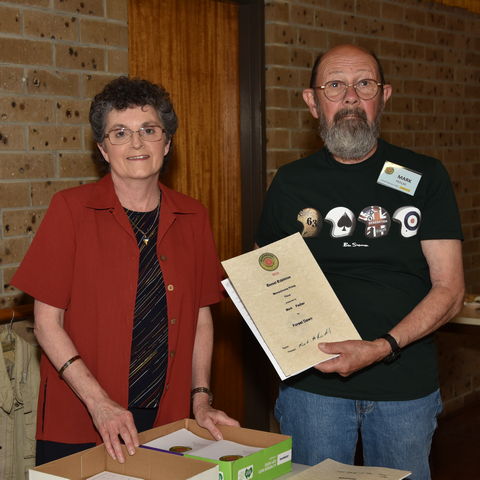
3rd – Mark Pedlar – Forest Dawn

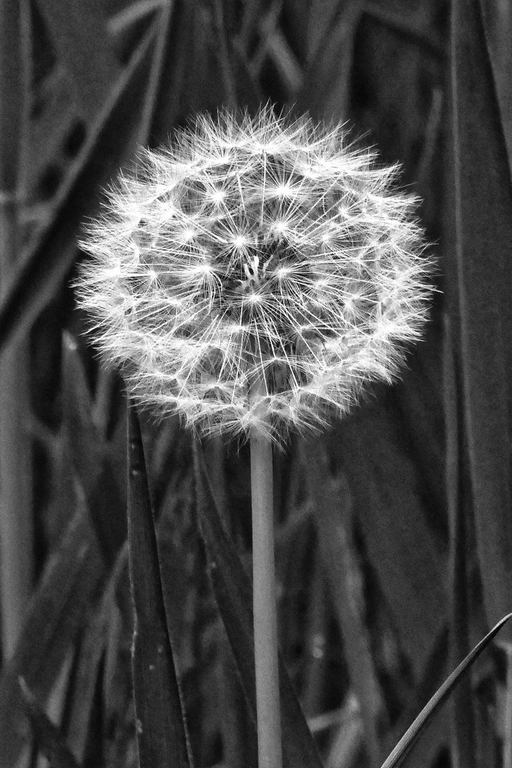
Merit – Heather Connolly –Transformation

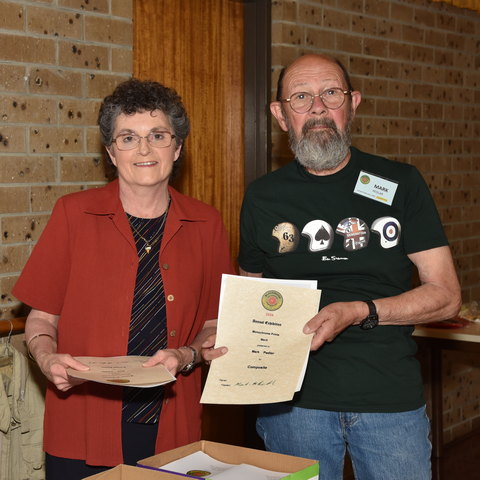
Merit – Mark Pedlar – Composite
Annual Aggregate – Prints – Monochrome
First – Michael Selge
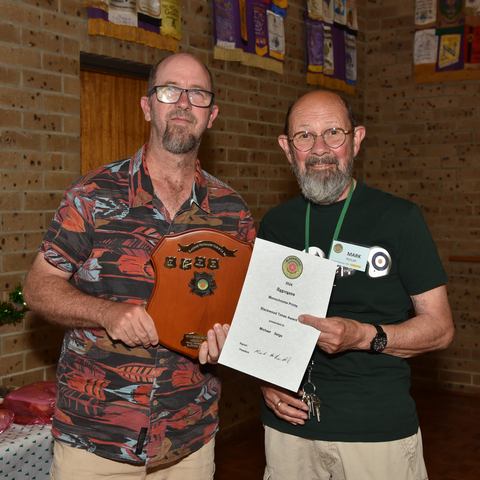
2nd – Mark Pedlar
3rd – Judy Sara

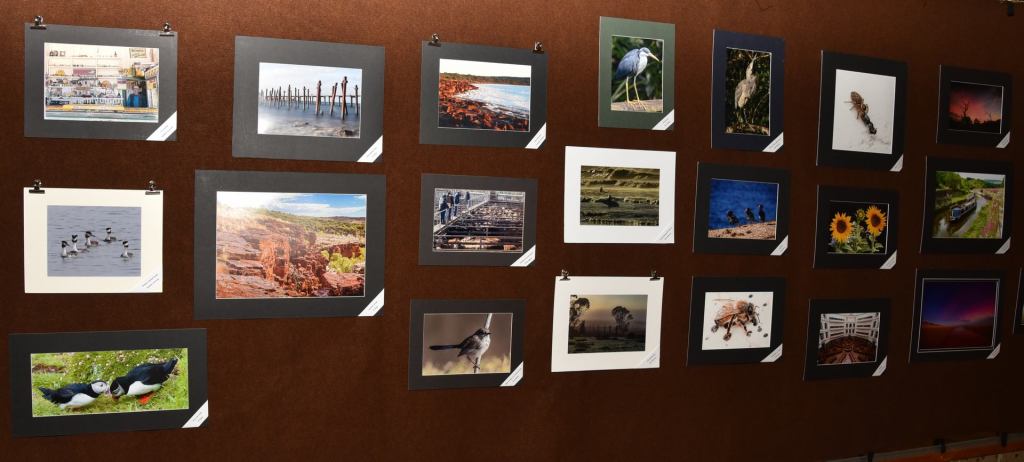
All the Print Entries

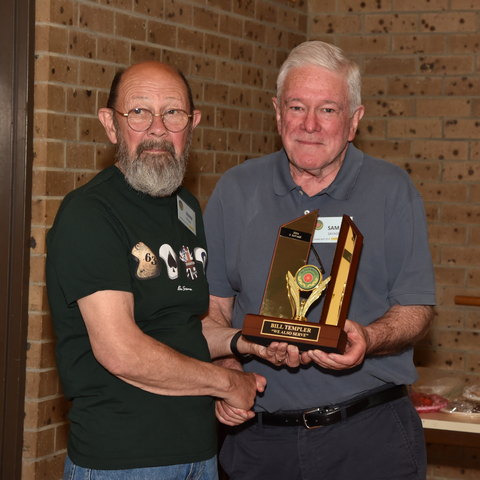
Sam Savage was awarded the Bill Templer Service Award; nominated by members for a person who has given great service to the club in 2024.
Fill the Frame – Competition 20th June 2024
The Judge of the “Fill the Frame” competition was Keith Seidel. Keith has been a photographer for more than 50 years. He began shooting on his 13th birthday when he was given a Pentax Spotmatic camera. He is a Judging Coordinator with South Australian Photographic Federation and conducts Light on the Light workshops. He likes to spend time in the Flinders and is increasingly interested in aerial photography in “doors off” situations in helicopters and planes.
The aim of the competition was for images to fill the frame with no negative space or background.
In the colour print section of the competition top honours were taken out by ‘Daisy’ by Judy Sara which the judge said was well captured.

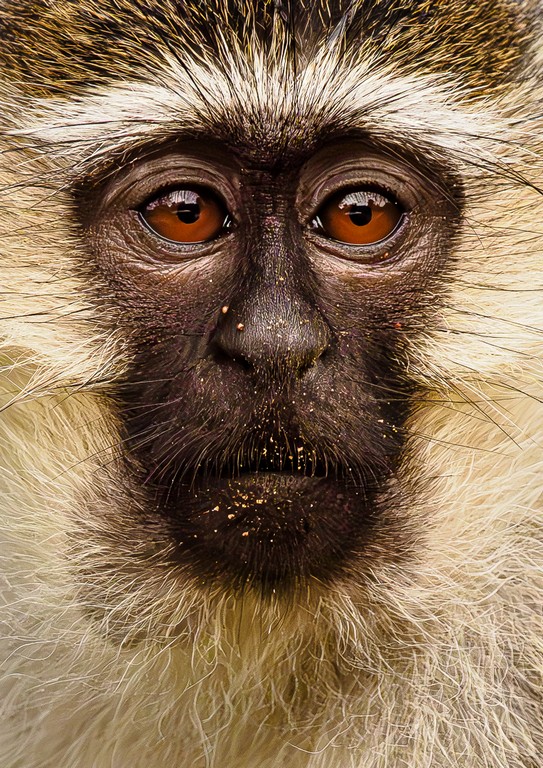
Of ‘Vervet Monkey’, also by Judy Sara the judge said it was all about the eyes. He suggested that with the chin dropping into shadow, cropping to mainly show the nose and eyes would really grab attention.
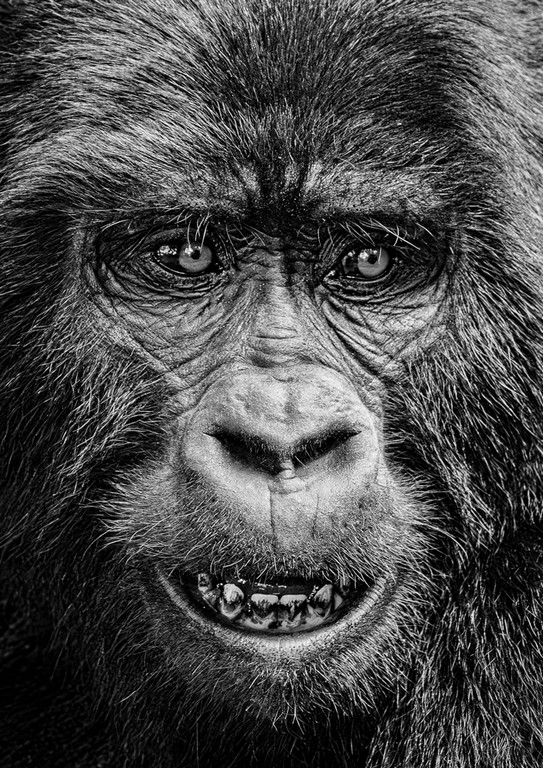
Continuing with the print section, for mono prints in the set subject, ‘Gorilla’, again by Judy Sara scored highly.
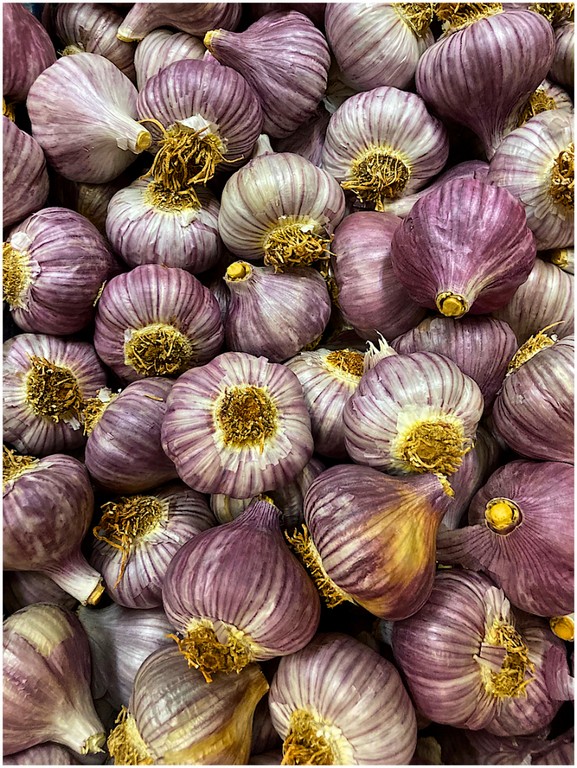
Moving to digital images for the Fill the Frame subject, ‘Garlic’ by Heather Connolly, scored well with the judge saying he liked it very much. He said the exposure and colour was captured beautifully across the photo with the one bulb with yellow tones providing a contrasting colour. The mix of purple and white stripes with the bulbs pointing in different directions made an interesting photo.
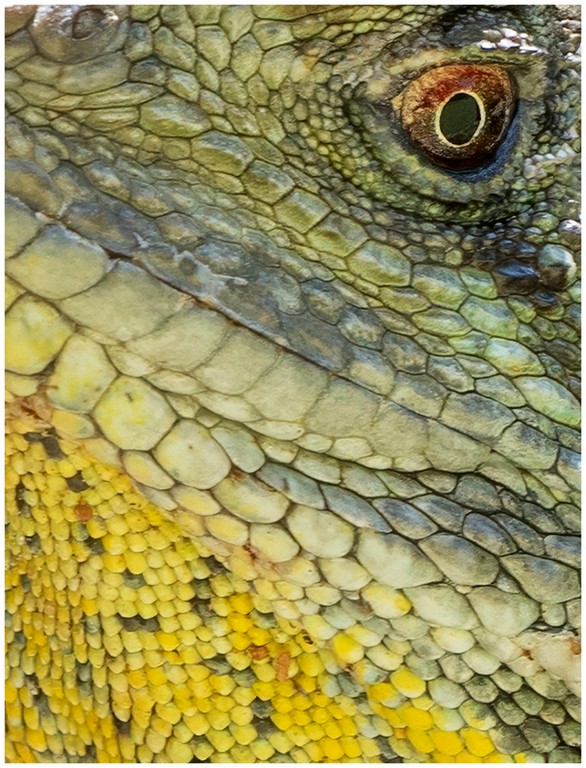
In ‘Scales’ by Kerry Malec the judge liked the effect, hesaid it was an ‘in your face’ composition, yellow at the bottom, but not super saturated, the viewer is drawn to the eye
Also concentrating on the eye is ‘Googly Eyes’ by Angela Cogman. Keith, the judge, said it was a fantastic underwater photo. He loved the sheer dynamism of the twist and curves, lines and textures around the eyes.

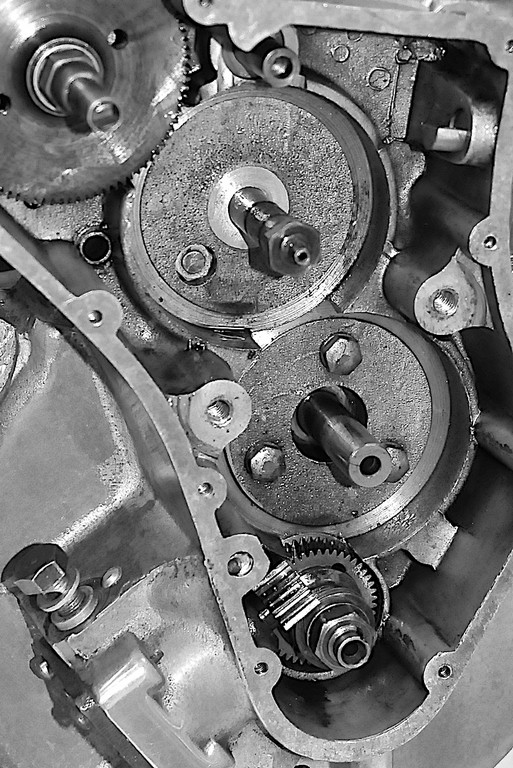
In the mono section of Fill the Frame, ‘Timing Case’ by Ray Goulter received a high score. Keith said it has beautiful black and white tones, good blacks and sheens heading towards white. There is a lovely diversity of mid tones. Compositionally there will be messy bits, but the strength of those four circular gears holds it together nicely.
In the colour print open section of the competition, ‘Contemplating the Waves’ by Duart McLean and ‘Pretty Boy’ by Di Gage both scored well.

Of Duart’s image the judge said there was a lot to like. He said it was really good story telling, well shot against the light with rows of wave action, and the photo had a sense of depth.

The judge said Di’s ‘Pretty Boy’ was a beautiful photo, a lovely portrait and beautifully exposed.
‘Having a Shower’ also by Di Gage also scored highly (digital image not supplied).
In the mono prints open section both ‘Tex’ and ‘Superjesus’ by Michael Selge scored highly.
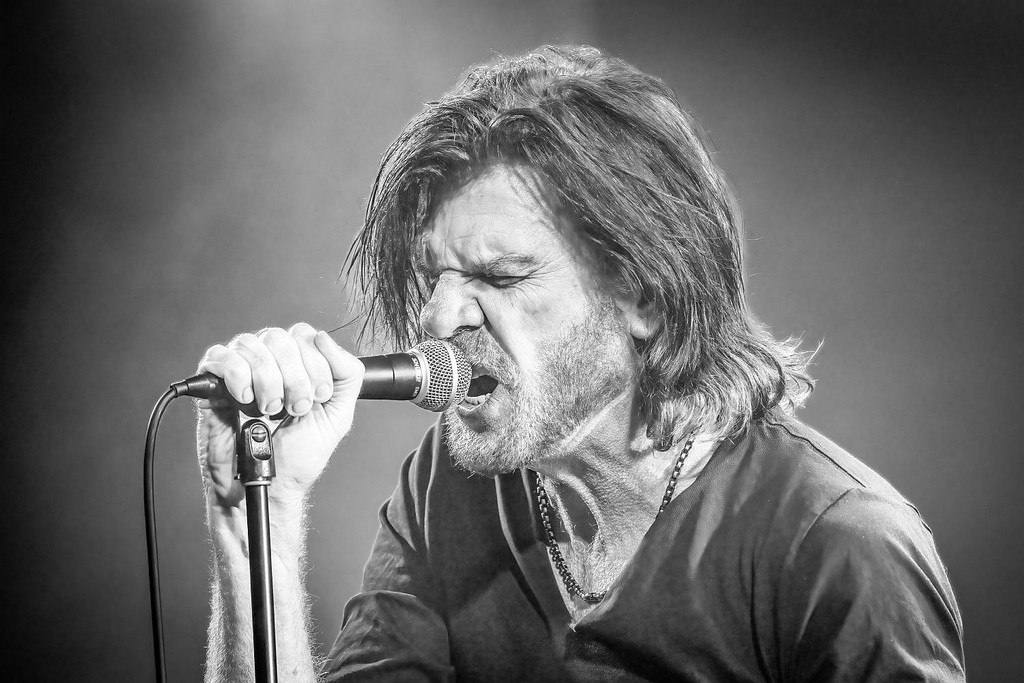
Of ‘Tex’ Keith described it as a ‘Cracker’. A full on photo with no distractions.
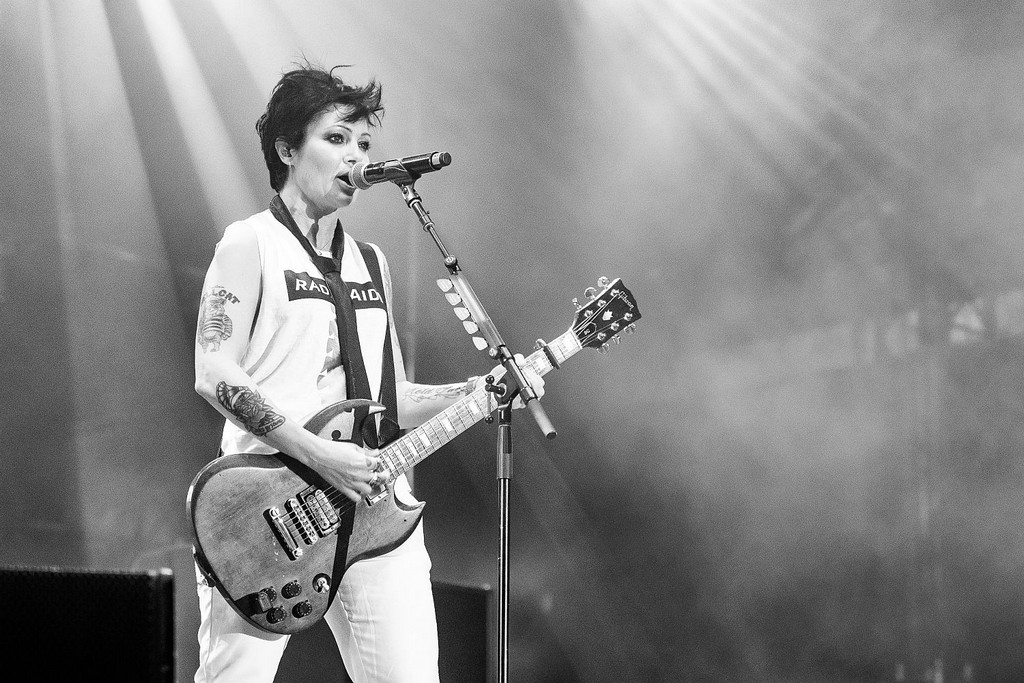
The judge acknowledged it is hard to get close to performers, and difficult to catch their ever-changing expressions. with ‘Superjesus’ He liked the catching of the smoke on stage and thought this image would work well in a rock magazine.
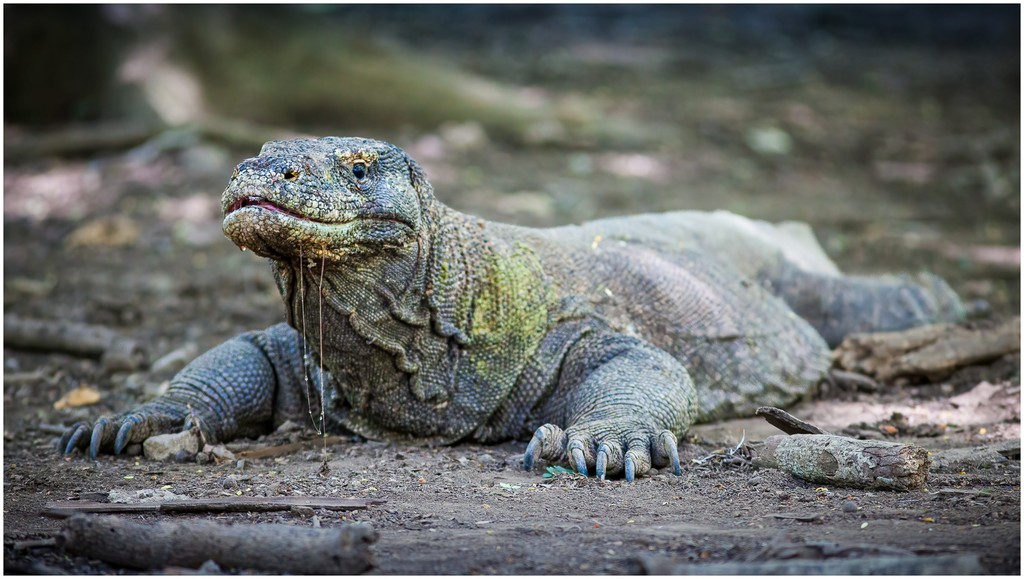
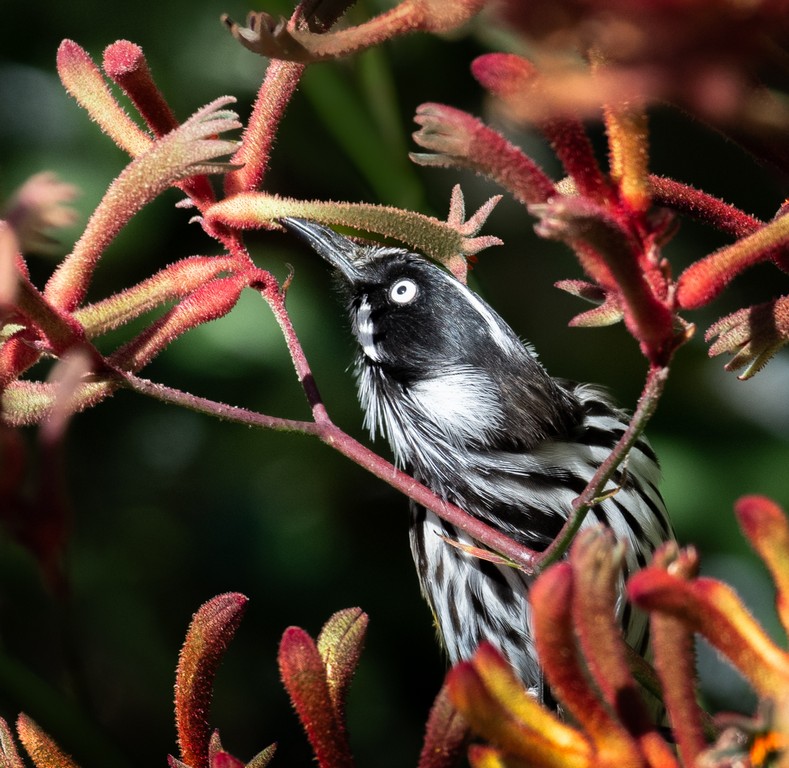
In the digital colour open section there were four high scorers. Leading the charge was Michael Selge’s ‘Komodo’ of which the judge said it had a good depth of field, the whole head being sharp and dropping off towards the back. The background was not distracting and the viewer’s eye is drawn to the head. He suggested the lighter spots could be toned down slightly in the background.
‘Daily Pitstop’ by Meredith Retallack had no distractions. The judge said it was well seen and captured with beautiful detail. He suggested the lightish patch on right hand edge of frame could be toned down and perhaps a couple of the plant tips could be removed in the bottom left hand corner to concentrate more on the bird.
‘Winter Solace’ by Helen Whitford scored well, with the judge saying the image was well exposed and he liked the backlight on the wine. He suggested a wedge taken from the cheese would make it look more real.

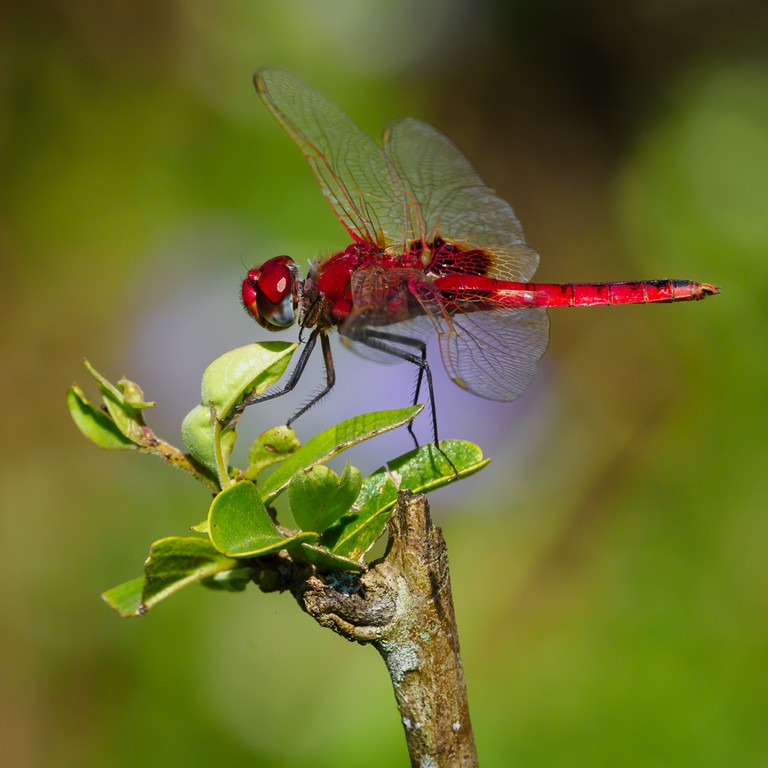
‘Ruddy Darter’ from Judy Sara was appreciated by the judge, saying it was a nice capture and really interesting detail. The brilliant red and black would stand out more if the lilac colour behind was taken to a more green tone so it wouldn’t be a distraction
In the digital mono open set Heather Connelly’s ‘Workshop’ scored well. The judge liked the patterns formed by the windows which melded with those from the roofline. The image inside the window gave the viewer a 3rd image to look at. He said it was a clever image which showed vision on the part of the photographer and it had lovely tones. He said it was well captured.

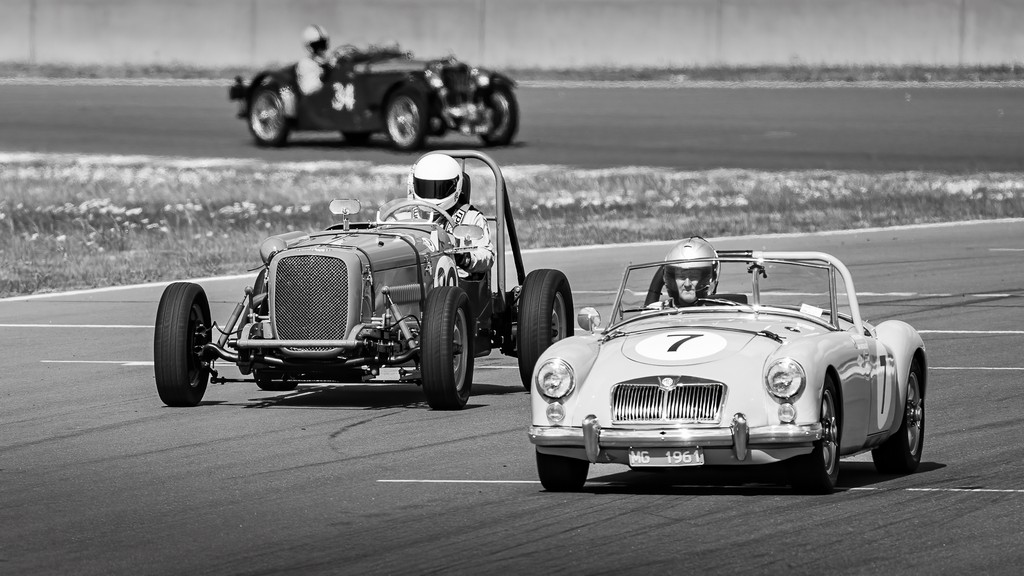
Scoring top marks with ‘Classics’ was Michael Selge. Keith said it was beautifully composed with great tones. The number 34 was still identifiable even though the car is out of focus and even with the different motions the shot was still sharp. He said it was a really well balanced motor sport shot
‘Trying to Sleep’ by Meredith Retallack scored well in this section as well. The judge said it had good exposure and it would be a difficult bird to capture as it has white feathers. He said the strength of the photo was in the stick with the broken bit at the end. He said it adds a dynamic element, counterbalancing the feathers of the head. He declared it was a good composition.

Judy Sara’s ‘Angles and Reflections’ scored highly. Keith said there were strong graphics in the angles and reflections, and the three way effect is interesting, forcing the humans to be almost silhouetted. He said it was a dynamic photo.

An Unusual Experience – Competition February 29th 2024
This month’s Judge was photographer Alan Bevan. Alan is also President of his local photography club. Alan gave good advice on both the open and set subjects. When judging a photo Alan looks for impact, composition, quality and narrative. Alan particularly noted the placement of elements within the images, looking for good borders and ensuring room was left around the image elements to allow them to stand out and for the viewer to be able to sense where the movement takes place and where the subject will move to next. When judging bird photos, Alan looks for the impact and narrative of bird behaviour rather than a static bird.
The image “Today’s Weather” by David Hancock was awarded high marks by the Judge in the Colour Set Subject as he said it was well composed with nice separation between the clouds and the border, has good colours and was shot at a good time of day, giving the image impact.

In the Mono Set Subject “Leap Year” by Kerry Malec was technically well done and showed creativity.

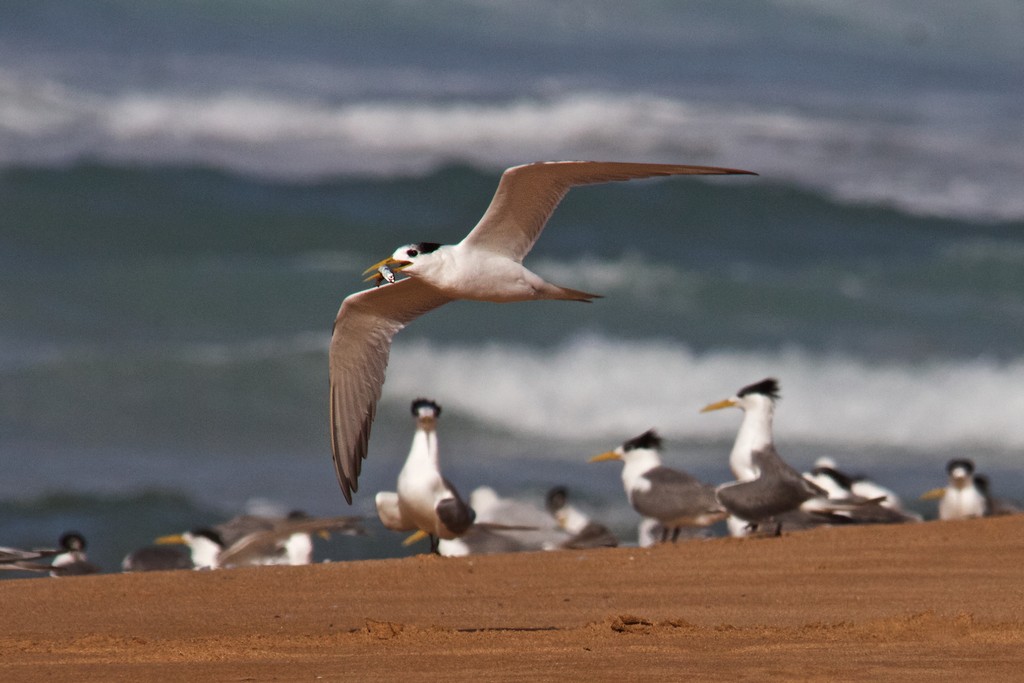
Taking out top honours in the Colour Open section Sam Savage’s image “Breakfast at Waitpinga” has strong impact. The Judge said it was was a great capture and had excellent timing. The image is almost humorous as the young bird is leaning so far back. As the viewer, you can almost hear the noise. The background is nicely out of focus and the image has good tonal range.
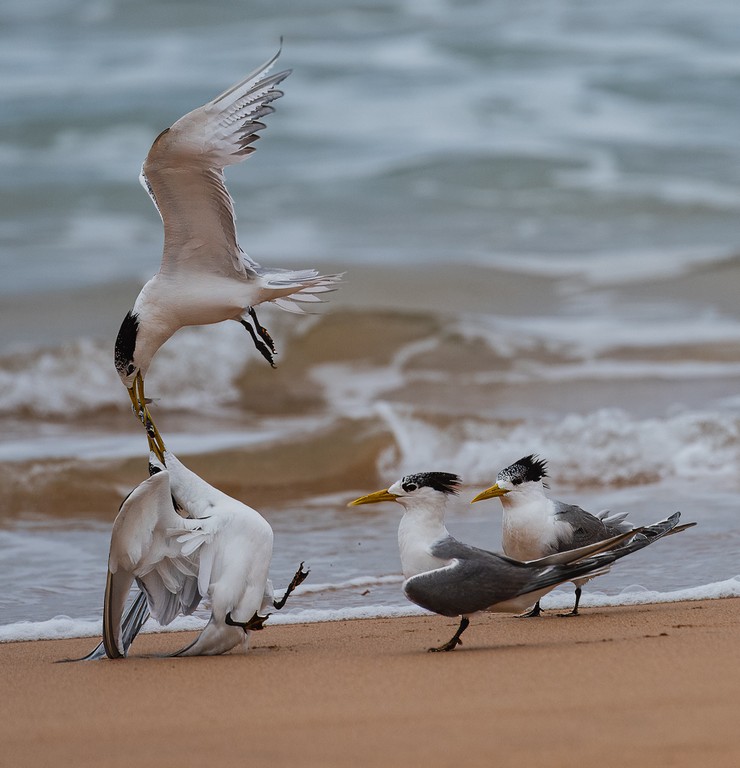
The image “Success” by Heather Connelly was also deemed a very good image by the Judge, there is nice separation between the main bird subject and the birds below. Alan said it was a well composed and captured image with the other birds being slightly out of focus.
Also achieving a high score in this section was “Lotus Beauty” by Di Gage. The Judge said there was sharpness across the image with good framing and beautiful detail in the middle and the viewer could see enough of the bee. The highlights were handled well with attractive soft lighting.

“Attitude” by Michael Selge in the Mono Open Section had a strong subject, the singer’s stance was dramatic and had high impact. The explosion of light in the smoke created drama with great framing of the subject.
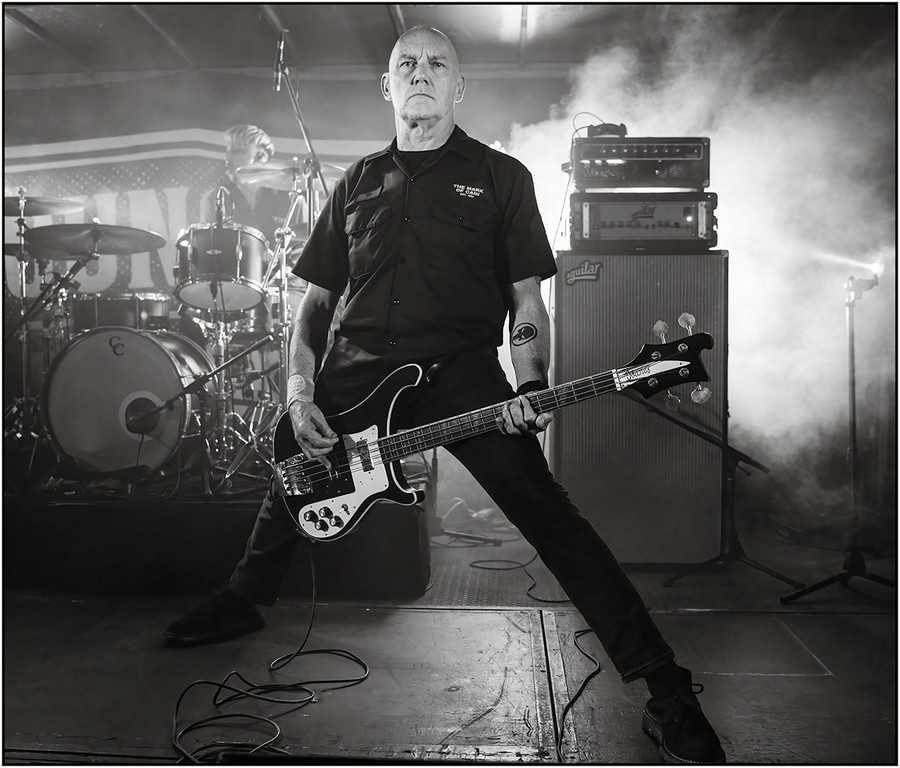
Taking top honours in the Mono section was “Sharing” from Sam Savage. The Judge described it as a fabulous shot, beautifully composed with high impact.

In the Print Open Colour Section Di Gage’s “A Look Inside” (Image not supplied), was captured in a pleasing way, a flower being shot from above. In the Mono Prints Open Section Michael Selge’s “Chester” was a strong image with impact, a huge amount of energy and good tonal range.

And Michael’s “Dance” also had impact on the viewer, with beautiful light and a sharp image.

Finally in the Set Subject Colour Print section Michael’s “Boom” was an interesting capture, a great image, the explosion has impact and it is an extraordinarily unusual image of the woman.

Mark Pedlar’s “Fixing Christchurch” had a lot to like, an image of a mural with a face looking alarmed appropriate for a building being demolished nearby.

Judging – fighting the battle from within the parapets!
This little web page has been a source of much discussion – heated and rational – about the judging standards in photographic clubs. We aren’t the only ones, but in our little corner of the world we were a squeaky wheel.
Our web page and the articles (in March 2011 and April 2014) about judging have been used as ammunition in a battle both in South Australia and South America (I kid you not). There are probably others (drop us a line if you did). I’m sure many people have read our blog and nodded or shaken their heads. Felt our pain. Shared in the angst of inadequate judging.
The discussion began due to the frustration many of us felt about the quality of photographic club judges. They seemed mired in the past. The technical aspects were the only thing examined. Trends in modern photography ignored. Were we pursuing art or were we aiming to be good technicians? I confess that I’m one of the instigators of this discussion. I had seen my photography decline as I tried to please a bunch of people that to me seemed locked in a time warp somewhere around 1970. I realised what I was doing and started to climb out of the abyss. It took some time.

The squeaky wheels – not just our little club – started to be heard around the photography clubs in this state. Judges were discussed in both whispers and loudly.
How could we change things? We discussed this many times. The suggestion – change it from within. “No” many of us cried. “Too hard”. “Don’t have the time”. “It’d be a lone voice lost in the wind”.
At the same time, the SAPF executive noticed – and set about reform and change. Training more judges. Getting a broader range of opinions. Keith Seidel and John Hodgson took on the task. SAPF President Alberto Guirelli talked at club meetings around the state about changing the culture. He even became a judge!
Judging schools were revised. Other opinions sought. The SAPF now had more and varied judges. We started to notice something new in the judges that came to our club. We were often told that the scoring was their opinion. That our own opinion of our images counted as much. What? Hang on? What happened to the 1970s technical judge? That rule of thirds guy? They were starting to fade. Technical issues were still considered – but as a method to refine down to what was the best image of the night. Not as the only arbiter of what was a good photography club image.
And then one night last year I was asked to put my own voice into the mix by Keith Seidel after a particularly poor judging effort we had both observed. “Come along to the judging school. Be part of the process.” said Keith. I had to put up or shut up.
So in February this year, 10 of us went along to SAPF head quarters and spent the day learning about how to judge. We went through a range of topics led by Keith, Peter Phillips (who judged one of my first images when I started) and Des Berwick.
We heard about what made a good image – Visual Impact, Composition, Interesting, Purpose, Originality. Oh – and then some technique. But not to exclude the other aspects.
We discussed distractions in an image. Balance was considered. Flat lighting. Things that diluted what could be interesting.
And then the crux of it – judging is relative and not to some pre-conceived standard. Judging should be diplomatic. A good judge should recognise a good image and have an open mind to other image types. Bias should be left outside as should ego. Cliche’s abandoned. Keep up with new trends. Be an active photographer. Understand photographic camera and processing techniques. Be Consistent and Constructive and Entertaining.
Ye Gods! This sounded like our wish list! What had happened? People had listened!
The day progressed with some technical discussions about defining set subjects, handling standard images (pelicans and meerkats!), what is “someone else’s art”, image border sizes, photographic quality (golden means, odds numbers, diagonals etc), plagiarism & copyright, types of paper suiting the image. There was a lot more……
The differences between solo judging and panel judging were discussed. We got to do a panel judging of our own just before lunch – a very sobering exercise.
Then we got into some examples – using stills from television programmes. Yes – some of the best photographic art is in TV and film. The creative use of light, focus, placement, viewpoint, perspective. Look at the great artists such as Turner or any of the impressionists. The history of photographic techniques. Trends from modern photographers like Trent Parke (Australia’s own and only Magnum photographer). Learning from the great photographers of the past and present and why they are great.
More aspects of judging – what to say and what not to say! Get rid of those cliches that add nothing.
We covered country judging too – supporting those who can’t have a judge on site every meeting. (For reference 1/3 of South Australia lives outside of Adelaide and deserve better). I’m pleased to say I’ve signed up to help Jeff Venning and his country judging team.
The day had a lot to take in. I’ve got pages of notes and thoughts and ideas.
To finish we judged ourselves. We’d been asked to send in 10 images which were mixed up and presented to us. We judged each of them and noticed the mix of scores around the room. Some were instant hits, other images divided the scores. In that session the broad church of judging was clearly exposed.
At the end of our day – and it was a long one – Keith announced that he and the others felt we were all ready to go out into the big wide world of club judging. A surprise perhaps, but Keith has been watching and listening to us. At the recent SAPF AGM and Delegates Meeting Keith reported exactly the same thing.
Thanks Keith, Peter and Des – I promise to do my best.
So there you have it – a mea culpa of sorts from me. I’m now a photography club judge. Will I bring a new perspective and more balance? I’m a bit apprehensive – but will give it a go. If you find my judging inadequate let me know. Tell me about what you were trying to achieve. I’m not perfect and have never claimed to be. But I am empathetic – and maybe that will be my saving grace.
Chris 🙂
Ok – I’ve been tardy in posting about the last two workshops!
Yes – I’ve been a very bad boy. I should have posted the updates on the last two workshops but other things got in the way! So here we go – complete with YouTube slides for you to read!
The first workshop (held on 15-Mar-2012) about Low Light was prepared and presented by James.
James led us through an array of low light situations – and importantly, got us to try out some of the techniques with our own equipment and the lights turned out in the club rooms. A few of us ventured outside to create ghostly images in the spirit of Darren Siwes whilst others shone torches through wine bottles to paint light, took photos by candlelight and generally had a good time experimenting!
Rather than include images, I’ll just link you to James’ PowerPoint presentation (on YouTube) and wait for the images in the Low light competition later in the year (27-Sep-2012 to be precise)
The second workshop (held on 12-Apr-2012) was meant to be a session on Print Making – but due to unforseen circumstances we had to find a quick presentation.
The night was fairly well attended, with 3 guests – Peter, Trevor (from Noarlunga & Southern Districts Camera Club) and Chris (a long time follower of this blog) – welcome gents!
Fortunately, Matt & I managed to shift our workshop on Selective colour, put yourself into history and image stacking together fast enough for everyone to have a go at these techniques. It looks like the night was a success from the number of stacked and altered perspectives of history that have surfaced on the club’s Flickr page. Anyhow, rather than rehash the methods, check out the slides and see if it helps.
For those in search of references, have a look at the following links:
Selective Colouring
Selective Colouring – highlights
Fake Histories
Swap your face with someone else
Cheers
Chris 😉
Natural light portraits workshop – 16-Feb-2012
What a great evening! Instead of the usual BPC club meeting at the Memorial Hall, Jenny & Mark Pedlar invited us to hold a workshop on Natural Light Portrait Photography at their house. A cloudy start to the day had turned into a lovely clear evening, and more than 15 BPC members attended – most with cameras. We also had 2 prospective member visitors – Howard & Henk, and as an added bonus, Julie & Ray’s grandson Jase, and Jeremy Watson with his model colleague Anna.
Yvonne had been in contact with Jeremy earlier in the year through a UK ex-pat network and had invited him to attend the workshop as he had relevant experience. Jeremy is a professional photographer who also runs workshops and has a passion for portraiture (you can visit his website or his Facebook page), whilst Anna is a full time model who works with Jeremy and others (having done shoots and promotional work around Australia). We were very fortunate to have them with us, as they helped us to learn new (or hone established) skills in portrait photography with our willing (and unwilling 😉 ) models.
Jeremy’s helpful suggestions (such as spot metering, using the light, large apertures, the classic inverted triangle of light, close cropping, directing the model etc) were a valuable lesson. In concert with this information, Anna’s skill at picking whose shutter was flicking helped provide perfect expressions for images of her on a window seat, in a doorway, and in the back garden gave almost instant success for the budding portrait artists. For those not focusing on Anna, Jase also had his fair share of images recorded too. A few surreptitious shots of members were taken as well as one of the President and a visitor 😆 . Club visitor Howard even managed a few images of Anna in doors after the shoot as we had tea & coffee – now that’s thinking about natural light.
Having fired off a stack of images, and our light fading, we retired indoors to have a drink, a nibble and a chat. Jeremy was asked to tell us about his work and answer questions, to which he willingly obliged. The discussion was certainly wide ranging and fascinating, with tips and insights on breaking the (photographic) rules, street shooting, photographing family gatherings, black & white vs colour, introducing grain, composing in camera, landscapes, photographic safaris, wild animals, model agencies, concert and long lens photography, judging, image processing & software and lots more. We were held fascinated and fired questions back and forth as both Jeremy and Anna gave us the benefit of their knowledge and experience.
The evening wound up with a lot of very happy BPC members (I’ve had nothing but good feedback), some great natural light portraits and the knowledge that Jeremy would be back later in the year to judge at one of our competitions to share his experience and enthusiasm.
Thanks to all that attended Anna & Jeremy for their insights, Jase for posing for a bunch of strangers with cameras, Jenny & Mark for hosting (and feeding/watering) the workshop and Yvonne for the inspired invitation of Jeremy. Apologies to those that didn’t get images to me fast enough for inclusion in this post – but I’ve included a selection that represents the evening including some unexpected (and rather good) natural light portraits!
Cheers
Chris 😉
A Morning At The Nelumbo Pond

Lotus Flower - Matt Carr
Ahhh, the serenity. Nothing like a morning walk through the Botanical Gardens. The birds chirping. The wind whistling through the branches. The rapid click of a camera shutter. The desperate cry of a distressed photographer. “Damn Duck Poo….”
Saturday morning saw the first (informal) outing of the year for members of the Blackwood Photographic Club. Matt, Chris, James and Ashley all ventured to a very quiet Adelaide Botanical Gardens, to see whether they could get some worth while photo’s of the Flowering Lotus. I don’t know whether it was the bike race or simply a Saturday morning, but it was blissfully quiet!
Anyhow, you be the judge to see whether they shot anything worthwhile! (Click on the pictures to open them)


If you want to check out some more of our images from the morning, make sure that you check our flickr group – Blackwood Photography Club On Flickr
Don’t forget that if anyone has an idea for an outing, please let any of the committee members know.
Cheers
Ashley


 Blackwood Photographic Club of South Australia Inc.